Dental Implants: A Guide to Replacing Missing Teeth
21 Oct, 2026
7 Views 0 Like(s)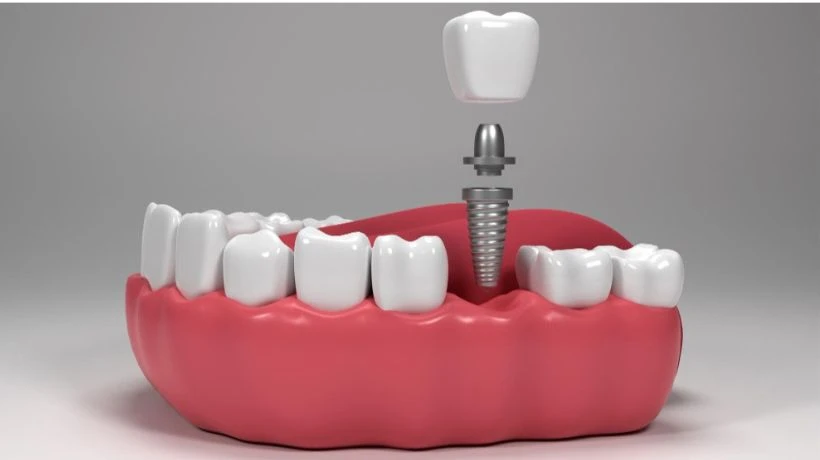
Dental implants offer a fixed approach to replacing missing teeth by using an artificial tooth root to support a restoration.
Losing a tooth can impact more than just your smile. It may make chewing uncomfortable, change the way you speak, or leave nearby teeth with less support. Dental implants offer a fixed approach to replacing missing teeth by using an artificial tooth root to support a restoration. The treatment is planned according to your oral health, jawbone condition, and the number of teeth that need replacement.
How Do Dental Implants Work?
An implant consists of a small post placed into the jawbone. The post acts as a manufactured root and is typically made of titanium or another biocompatible material. During healing, the surrounding bone gradually bonds with the implant.
After the area has healed sufficiently, a connector called an abutment can be attached. This supports a crown or another type of restoration that fills the visible gap. The result is intended to provide a stable replacement that functions as part of your overall bite.
Who Can Consider Implant Treatment?
Implant treatment may be suitable for adults who have lost one or more teeth and want a fixed replacement. However, candidacy depends on more than tooth loss.
Before treatment, a dentist will assess your gums, remaining teeth, jawbone, bite, and general oral health. Imaging may also be used to examine the bone beneath the gum line and identify the best implant position.
Adequate bone support is important. If bone loss occurs after tooth loss, a dentist may discuss procedures to increase available support before implant placement. Existing gum disease or other oral problems may also need attention first.
What Happens During Treatment?
Treatment usually involves several appointments. The first stage is planning, where the dentist evaluates your mouth and discusses the appropriate restoration. Once the treatment plan is established, the dentist places the implant into the jawbone.
Healing then takes place over a period determined by individual circumstances. During this phase, the implant becomes integrated with the surrounding bone. Once healing has progressed sufficiently, the next stage involves attaching the abutment and fitting the permanent restoration.
No single treatment timeline fits everyone. Healing capacity, bone condition, the number of implants required, and any additional procedures can all influence the overall duration.
What Are the Potential Benefits?
A fixed replacement can make everyday activities such as eating and speaking more comfortable. Because the implant is secured in the jaw rather than resting on the gums, it doesn't need to be removed the same way as traditional removable dentures.
Implant-supported restorations can also be designed to complement the shape and shade of your real teeth. In addition, replacing a missing tooth can help maintain spacing between surrounding teeth and support the appearance of your smile.
Like any dental treatment, implants have limitations and potential risks. A consultation is therefore essential before deciding whether they suit you.
How Should You Choose a Provider?
The dental professional's experience and approach matter when planning implant treatment. When comparing a dental clinic, consider whether the practice offers detailed assessments, appropriate imaging, individualised treatment planning, and clear information about each stage of care.
It can also help to ask about the dentist’s experience with implant procedures, expected recovery, restoration options, maintenance, and total treatment cost. Understanding these details beforehand can make the process easier to plan.
Maintaining Your New Tooth
An implant does not eliminate the need for everyday oral care. Keep brushing twice a day and cleaning between your teeth as your dentist recommends. Regular dental examinations enable your provider to monitor the implant, gums, and surrounding teeth.
Good oral hygiene and professional follow-up can help protect the restoration and your overall oral health over time. If you are missing one or more teeth, a consultation can help determine whether dental implants fit your needs. A dentist can examine your oral health, explain the available options, and create a treatment plan based on your individual circumstances.



Comments
Login to Comment