How Digital Measuring Systems Improve Collision Repairs
17 Jul, 2026
1002 Views 0 Like(s)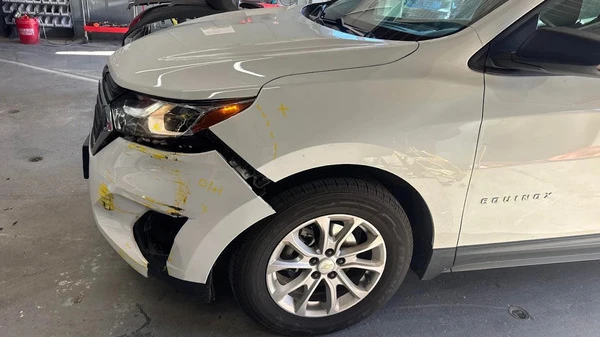
Modern vehicles are built with remarkable precision. Every body panel, suspension mounting point, and structural component is designed to fit within extremely tight tolerances.
What Are Digital Measuring Systems?
Digital measuring systems are computerized tools that analyze a vehicle's structural dimensions.
Using sensors, cameras, lasers, or electronic probes, these systems compare the vehicle's current measurements with factory reference data.
Technicians can quickly determine whether important structural areas remain within manufacturer tolerances or require correction.
Rather than estimating alignment by sight alone, digital measurements provide objective data that supports more accurate repairs.
Why Structural Accuracy Matters
Modern vehicles are carefully engineered so that every structural component works together during normal driving and in the event of another collision.
Even slight structural movement can influence:
- Suspension geometry
- Steering response
- Wheel alignment
- Door operation
- Hood and trunk fitment
- Crash energy management
Correcting these dimensions is about much more than appearance. It also supports vehicle safety and long-term performance.
Hidden Damage Isn't Always Visible
One of the biggest challenges after a collision is that structural damage often hides beneath exterior panels.
A bumper may appear only lightly damaged while components underneath have shifted several millimeters.
Digital measuring systems help identify issues involving:
- Frame rails
- Unibody sections
- Suspension mounting points
- Cross members
- Impact zones
Without accurate measurements, some of these issues could easily remain unnoticed during a basic visual inspection.
Measurements Before Repairs Begin
Experienced collision repair professionals often perform structural measurements before disassembly.
This initial assessment helps determine:
- The extent of structural movement
- Which repairs are required
- Whether replacement parts will be necessary
- How the repair strategy should proceed
Starting with accurate measurements allows technicians to create a more effective repair plan from the beginning.
Real-Time Monitoring During Repairs
One advantage of modern measuring systems is their ability to monitor repairs as they progress.
Instead of waiting until repairs are complete, technicians can verify structural corrections throughout the process.
This helps ensure:
- Pulling operations remain accurate
- Structural dimensions improve gradually
- Components move according to plan
- Repairs stay within manufacturer tolerances
Real-time feedback reduces guesswork and improves repair consistency.
A Common Mistake I Frequently Notice
One thing I've observed over the years is that many vehicle owners assume a car is structurally sound simply because it drives normally after an accident.
Unfortunately, that's not always the case.
I've seen vehicles with only minor cosmetic damage that still required structural adjustments because suspension mounting points had shifted slightly during the impact. The driver never noticed a problem until uneven tire wear appeared months later.
Driving normally doesn't always mean the structure is exactly where it should be.
Better Panel Alignment Starts With Accurate Measurements
Body panels fit correctly only when the underlying structure is properly aligned.
Digital measuring systems help restore:
- Door openings
- Hood alignment
- Fender positioning
- Trunk fitment
- Bumper placement
When structural dimensions are correct, technicians spend less time making cosmetic adjustments during final assembly.
The result is a vehicle that looks more like it did before the collision.
Supporting Modern Safety Systems
Many advanced safety features depend on precise structural alignment.
These include:
- Radar sensors
- Front cameras
- Blind spot monitoring
- Adaptive cruise control
- Automatic emergency braking
If structural components remain out of position, calibration procedures may become more difficult or less accurate.
Restoring factory dimensions provides a better foundation for successful safety system calibration.
Insider Tip: Ask Whether Structural Measurements Were Performed
One useful question after collision repairs is whether digital structural measurements were completed before and after the repair.
Many vehicle owners ask about paint quality or replacement parts but forget about the vehicle's underlying structure.
Knowing that measurements were taken provides added confidence that repairs addressed more than just visible damage.
Insider Tip: Even Low-Speed Collisions Deserve Proper Evaluation
Another misconception is that digital measuring systems are only necessary after severe accidents.
In reality, moderate parking lot impacts or low-speed collisions can sometimes shift structural components enough to affect alignment or panel fit.
Professional measurements remove uncertainty by confirming exactly what has—or hasn't—changed.
Digital Records Improve Documentation
Many computerized measuring systems generate detailed reports showing structural dimensions before and after repairs.
These records may include:
- Measurement diagrams
- Structural reference points
- Corrected dimensions
- Verification reports
Keeping this documentation can be valuable for insurance records, future maintenance, or resale discussions.
It also demonstrates that repairs were based on objective measurements rather than assumptions.
Technology Supports Skilled Technicians
Digital equipment provides valuable information, but successful repairs still depend on experienced professionals.
Technicians must understand:
- Vehicle construction
- Manufacturer repair procedures
- Structural repair techniques
- Material characteristics
- Proper measuring sequences
Technology enhances decision-making, but craftsmanship remains essential throughout the repair process.
If you'd like to learn more about how modern collision repair facilities use advanced technology to restore structural accuracy, this guide from collision center pasadena offers additional insight into today's repair methods and quality standards.
Why Precision Benefits Vehicle Owners
Accurate structural measurements contribute to many long-term benefits, including:
- Improved driving stability
- Better steering response
- Consistent panel alignment
- Proper suspension geometry
- More reliable safety system performance
- Greater confidence in the completed repair
Many of these improvements aren't immediately visible, but they influence how the vehicle performs every day after repairs are completed.
Looking Toward the Future of Collision Repair
Digital measuring technology continues to evolve alongside modern vehicle design.
As manufacturers introduce new materials, electric vehicles, and increasingly sophisticated safety systems, accurate structural measurements will become even more important.
Repair facilities that embrace advanced technology are better equipped to restore today's complex vehicles according to manufacturer expectations.
Final Thoughts
Digital measuring systems have become one of the most valuable tools in modern collision repair. By providing precise structural data before, during, and after repairs, these systems help technicians identify hidden damage, restore factory dimensions, and verify that repairs meet manufacturer specifications. Their accuracy supports everything from panel alignment and suspension geometry to advanced safety system calibration.



Comments
Login to Comment