How Canadian Foodservice Kitchens Select Cookware for High-Volume Operations
22 Sep, 2026
11 Views 0 Like(s)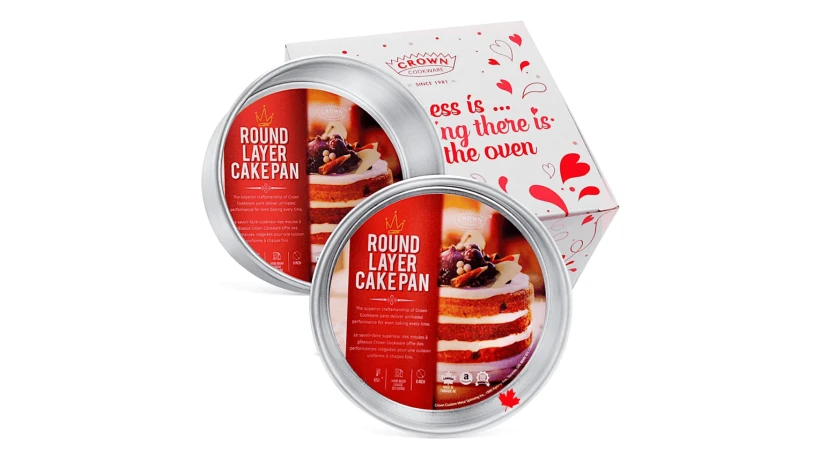
Discover how Canadian foodservice kitchens choose durable, high-performance cookware built for high-volume operations, safety, and daily commercial demands.
High-volume foodservice kitchens need cookware that fits demanding daily operations. Restaurants, caterers, bakeries, institutions, and food production businesses may prepare large quantities while working within structured production schedules.
For these operations, cookware selection involves more than choosing the right shape or size. Purchasing teams need to consider capacity, material, construction, handling, cleaning, storage, and expected frequency of use.
The right food service cookware should support the way a kitchen actually operates. Cookware that works for occasional preparation may not be practical for repeated commercial production.
Canadian foodservice businesses also operate across different kitchen environments. Restaurant kitchens can have different requirements from institutional kitchens, while bakeries may prioritize baking pans and bakery racks.
Understanding these differences helps businesses make more informed cookware purchasing decisions.
Cookware Requirements Across Canadian Foodservice Businesses
Foodservice businesses have different production requirements. Their cookware needs depend on the type of food they prepare, the quantity produced, and how often cookware is used.
A restaurant may need different pots and pans for menu preparation. A catering operation may prioritize capacity and handling. A bakery may require cake pans, pizza pans, round pans, and bakery racks.
When evaluating cookware, businesses should consider:
-
Typical production quantities
-
Batch sizes
-
Cooking and baking processes
-
Cookware capacity
-
Available kitchen space
-
Storage requirements
-
Frequency of use
-
Handling requirements
-
Material and construction
Material is particularly important for commercial applications. Crown Cookware manufactures its primary cookware range using virgin, food grade aluminum with no coating.
Aluminum provides useful heat distribution properties for cooking and baking applications. Heavy gauge construction can also provide a practical option for regular commercial use.
The purchasing process should begin with the operational requirement. Businesses can then identify cookware formats and sizes that match those needs.
Restaurant Kitchens vs Institutional Kitchens
Restaurant and institutional kitchens can both operate at significant production volumes, but their workflows can differ.
Restaurant Kitchens
Restaurant kitchens often organize preparation around menus and service periods. Cookware needs to fit the specific cooking tasks required by the menu.
Restaurants should consider:
-
Menu preparation requirements
-
Typical batch quantities
-
Cooking frequency
-
Kitchen station layout
-
Staff handling
-
Storage capacity
Selecting cookware based on these factors can help restaurants avoid relying on one cookware size for every task.
Different pot and pan capacities may be useful across preparation stations. Smaller products can support specific cooking tasks, while larger cookware can accommodate higher quantity preparation.
Institutional Kitchens
Institutional kitchens can have different production patterns. Their cookware requirements may depend on planned meal production and the structure of their kitchen operations.
Purchasing teams should evaluate cookware based on actual production requirements rather than selecting products solely by size.
Capacity, storage, handling, and intended application all matter.
Institutional kitchens may also need cookware that integrates into an organized production environment. Products should be easy for staff to identify, handle, clean, and store according to the kitchen's established procedures.
Capacity Planning for High Volume Cooking
Capacity planning is one of the most important parts of cookware selection.
Using cookware that is too small for a production task can require additional cooking cycles. This can create unnecessary handling and make the production process less efficient.
Oversized cookware can also create practical challenges. It may occupy more storage space and can be less suitable for smaller preparation tasks.
Businesses should start by reviewing typical batch sizes.
Ask:
-
How much food is prepared during each cooking cycle?
-
Which products require larger capacities?
-
Which tasks require smaller cookware?
-
How frequently is each cookware size used?
-
Where will the cookware be stored?
This information can help purchasing teams build a more useful cookware inventory.
Capacity should also be considered alongside dimensions. Diameter and depth can affect how cookware fits within the kitchen and how employees handle it.
A high volume kitchen may benefit from having multiple cookware sizes rather than relying on a single large product.
This approach gives staff more flexibility while helping businesses select cookware according to actual production requirements.
Durability for Daily Commercial Use
Professional kitchens use cookware frequently. Repeated handling makes construction an important purchasing consideration.
Commercial cookware needs to suit the environment in which it will be used. Businesses should consider the material, gauge, construction, dimensions, and intended application.
Heavy gauge aluminum cookware can provide a robust option for regular commercial cooking and baking applications.
Crown Cookware uses virgin, food grade aluminum with no coating across its primary cookware range. Its commercial products include pots and baking products designed for professional applications.
The company also uses metal spinning as a manufacturing capability where relevant. This supports the production of specific cookware forms for commercial applications.
Durability should not be evaluated based on material alone. A cookware product needs to match the task for which the kitchen intends to use it.
For example, a bakery may have different durability requirements for cake pans and bakery racks than a restaurant has for cooking pots.
Crown Cookware's bakery racks are available in multiple size options with welded construction. Businesses can choose dimensions based on their production environment and available space.
Food Safety and Easy Cleaning Considerations
Cleaning and appropriate handling are important parts of managing cookware in professional kitchens.
Businesses should select cookware according to the manufacturer's care instructions and establish handling practices that suit the products they use.
Crown Cookware's primary cookware range uses virgin, food-grade aluminum with no coating. Businesses should follow the specific care guidance provided for their products.
Kitchen teams should also avoid cleaning practices that can cause unnecessary damage. Abrasive products, excessive force, or inappropriate handling can affect cookware condition over time.
Practical maintenance can include:
-
Following product care instructions
-
Using appropriate cleaning methods
-
Avoiding unnecessary impact
-
Storing cookware carefully
-
Inspecting products regularly
-
Using cookware for its intended purpose
Cleaning considerations should also influence storage decisions.
Properly organized cookware is easier for staff to access and return to its designated location. This can support more consistent handling across different kitchen shifts.
When purchasing from a food service equipment supplier, businesses should consider not only the product itself but also how it fits their existing kitchen processes.
When to Replace Worn Cookware
Inspect commercial cookware regularly to determine whether it remains suitable for its intended use.
High-volume operations can place cookware under frequent handling. Over time, products may show signs of damage or wear that require closer attention.
Kitchen managers should consider replacing cookware when its condition affects its practical use.
Rather than waiting until cookware disrupts daily operations, businesses can include cookware inspection in routine kitchen management.
Consider:
-
Is the cookware still suitable for its intended application?
-
Does visible damage affect its use?
-
Is the cookware becoming difficult to handle?
-
Does its condition create storage problems?
-
Does the product still match the kitchen's requirements?
Replacement decisions should be based on the cookware's actual condition and application.
Businesses should also track which products are used most often. This information can help purchasing teams plan future restaurant supply cookware requirements.
Replacing unsuitable cookware at an appropriate time can help prevent operational disruption.
Conclusion
Selecting cookware for high-volume foodservice operations requires a practical understanding of how the kitchen works.
Canadian restaurants, caterers, bakeries, institutions, and food production businesses can have very different cookware requirements. Capacity, material, construction, handling, storage, cleaning, and intended application should all influence purchasing decisions.
Heavy-gauge aluminum can be a practical option for commercial cooking and baking applications. Crown Cookware manufactures its primary cookware range using virgin, food-grade aluminum with no coating. Its product categories include pots, cake pans, pizza pans, round pans, and bakery racks.
Capacity planning is equally important. Businesses should select cookware based on actual batch sizes rather than assuming that larger cookware is always more suitable.
Maintenance and inspection should also form part of the overall cookware management process. Appropriate cleaning, handling, storage, and timely replacement can help businesses manage their cookware more effectively.
For purchasing teams comparing food service cookware, the goal should be simple: select products that fit the production process, kitchen environment, and intended commercial application.
Working with an experienced food service equipment supplier can help businesses evaluate cookware options according to their specific operational requirements and build a more practical cookware inventory.
People Also Ask
1. What type of cookware is best for high-volume commercial kitchens?
The right cookware depends on production volume, cooking tasks, capacity, material, and handling requirements. Heavy-gauge aluminum cookware can suit many commercial cooking and baking applications.
2. How do restaurants choose the right cookware size?
Restaurants should select cookware based on typical batch sizes, menu requirements, cooking frequency, available kitchen space, and storage capacity. Using different sizes for different tasks can provide greater flexibility.
3. How often should commercial kitchen cookware be replaced?
There is no universal replacement schedule. Businesses should regularly inspect cookware and consider replacement when damage, wear, or changes in condition affect its intended commercial use.



Comments
Login to Comment