How Can Routine Dental Cleaning Protect Against Gum Problems?
26 Oct, 2026
6 Views 0 Like(s)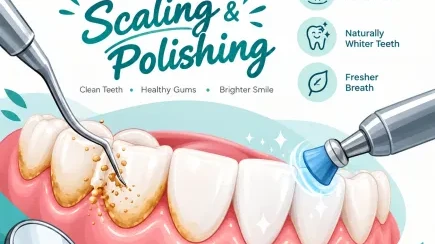
Learn how routine dental cleaning removes plaque and tartar, reduces gum inflammation, and helps prevent gum disease for healthier teeth and gums.
Healthy gums are essential for maintaining strong teeth and good oral health. However, plaque buildup, poor oral hygiene, and bacterial infections can cause gum problems if they are not addressed early. Routine dental cleaning helps remove plaque and hardened tartar that regular brushing may leave behind. By keeping teeth and gums clean, professional dental care can reduce the risk of gum inflammation, support early detection of oral health issues, and help maintain a healthy smile.
What Causes Common Gum Problems?
Gum problems often begin when plaque accumulates along the gumline. Plaque is a sticky film containing bacteria that forms naturally on teeth. If it is not removed regularly, it can irritate the gums and cause gingivitis, an early stage of gum disease.
Common signs of gum problems include redness, swelling, tenderness, bleeding during brushing, and persistent bad breath. When plaque hardens into tartar, it becomes more difficult to remove with a toothbrush or dental floss.
Smoking, certain medical conditions, hormonal changes, and inconsistent oral hygiene can also increase the risk of gum problems. Routine dental visits help identify these concerns and determine whether professional cleaning or additional treatment is necessary.
How Does Routine Dental Cleaning Protect Your Gums?
Routine dental cleaning removes plaque and tartar from tooth surfaces and around the gumline. These deposits can contribute to gum inflammation and create conditions that allow harmful bacteria to accumulate.
Professional cleaning helps reduce these deposits and supports healthier gum tissue. If you are looking for teeth scaling in Islamabad, a dental professional can assess your oral health and recommend a suitable cleaning schedule based on your needs.
1. Removes Plaque and Tartar Buildup:
Plaque develops throughout the day, even when you brush regularly. If it remains on the teeth, minerals in saliva can cause it to harden into tartar.
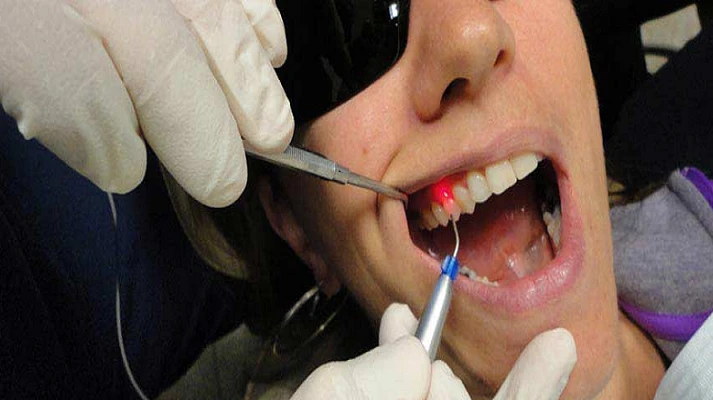
Once tartar forms, brushing and flossing cannot effectively remove it. Professional dental cleaning uses specialized instruments to remove these deposits, helping reduce gum irritation and maintain cleaner tooth surfaces.
2. Helps Reduce Gum Inflammation:
Plaque and tartar around the gumline can cause the gums to become red, swollen, and sensitive. They may also bleed during brushing or flossing.
Removing these deposits helps control a common cause of inflammation. When professional cleaning is combined with consistent daily oral hygiene, early gum inflammation may improve and the gums can become healthier.
3. Helps Prevent Gum Disease From Progressing:
Gingivitis is an early form of gum disease that can often be reversed with appropriate professional care and good oral hygiene. Without treatment, however, gum disease may progress to periodontitis, which can damage the tissues and bone supporting the teeth.
Routine dental cleaning helps manage plaque and tartar, while regular examinations allow your dentist to identify signs of gum disease. More advanced cases may require deeper cleaning or other periodontal treatments rather than routine cleaning alone.
4. Supports Early Detection of Dental Problems:
Dental cleaning appointments also give your dentist an opportunity to examine your gums, teeth, and other oral tissues. Early signs of gum recession, inflammation, or other dental concerns may be identified before they become more serious.
Early detection allows suitable treatment to begin sooner and helps you understand which oral hygiene habits need improvement.
How Often Should You Get Routine Dental Cleaning?
Many people benefit from professional dental cleaning approximately every six months. However, the ideal schedule depends on your gum health, tartar buildup, medical history, and risk of developing gum disease.
People with a history of periodontitis or rapid tartar accumulation may need more frequent professional care. Your dentist can recommend an interval that suits your individual oral health needs.
Regular appointments are important even if your teeth look clean and you do not experience pain. Gum disease can develop without noticeable symptoms in its early stages.
How Can You Maintain Healthy Gums Between Dental Visits?
Professional cleaning works best when supported by a consistent home-care routine. Daily habits help prevent plaque from accumulating again and reduce the likelihood of gum irritation.
Follow these practical steps:
-
Brush your teeth twice daily with fluoride toothpaste and a soft-bristled toothbrush.
-
Clean between your teeth every day using dental floss or an appropriate interdental brush.
-
Brush gently along the gumline without applying excessive pressure.
-
Limit frequent sugary snacks and drinks.
-
Avoid smoking and tobacco products.
-
Attend dental checkups as recommended by your dentist.
If your gums bleed repeatedly, become swollen, or cause persistent discomfort, arrange a dental examination rather than waiting for your next scheduled cleaning.
Is Routine Dental Cleaning Enough to Treat Gum Disease?
Routine cleaning is useful for removing plaque and tartar above the gumline and supporting preventive oral care. However, it may not be sufficient when gum disease has progressed below the gumline or damaged the supporting tissues around the teeth.
In such cases, your dentist may recommend scaling and root planing, which involves cleaning deeper areas around the teeth. Additional periodontal treatment may also be necessary depending on the severity of the condition.
The right treatment depends on a professional examination, so avoid assuming that routine cleaning alone will resolve every gum problem.
Conclusion:
Routine dental cleaning helps protect against gum problems by removing plaque and tartar, reducing gum irritation, and supporting early detection of gum disease. Combining professional care with daily brushing, flossing, and regular dental checkups can help maintain healthier gums and reduce the risk of future complications.
For professional dental care and guidance on maintaining healthy teeth and gums, visit Dental Aesthetics Studio.


Comments
Login to Comment