How AI Tutors Are Assisting in Personalized Learning
28 Nov, 2025
10024 Views 6 Like(s)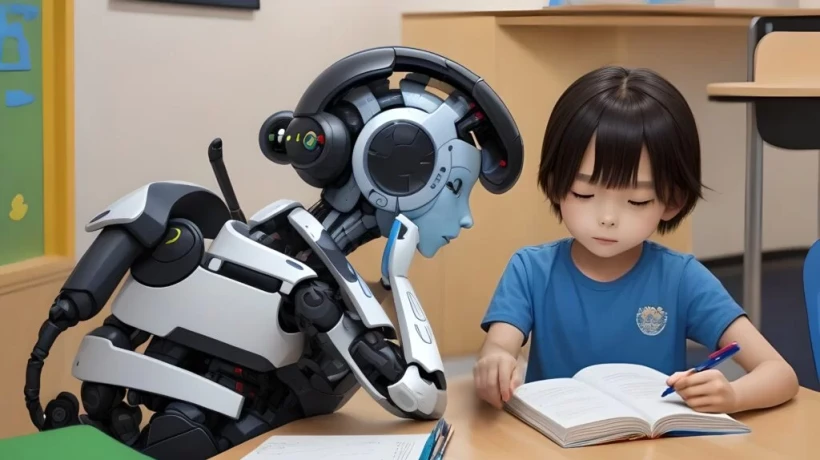
Education has always worked best when it adapts to the needs of each learner—but traditional classroom setups make it difficult for teachers to offer individualized attention. With classes full of diverse learners and varying levels of understanding, personalized learning has long been a challenge.
Education has always worked best when it adapts to the needs of each learner—but traditional classroom setups make it difficult for teachers to offer individualized attention. With classes full of diverse learners and varying levels of understanding, personalized learning has long been a challenge. Today, AI tutors are stepping in to fill this gap, offering tailored instruction, real-time support, and data-driven insights that help students learn at their own pace. As artificial intelligence evolves, AI tutoring systems are becoming one of the most effective tools for personalized learning in both academic and skill-based education.
What Are AI Tutors?
AI tutors are digital learning systems powered by artificial intelligence algorithms. They can understand student behavior, analyze performance, and deliver personalized lessons or explanations. Unlike traditional software, AI tutors learn from each interaction. They adapt to a student’s pace, identify weak areas, and suggest the best learning path forward. These systems can take many forms—chatbot-style assistants, interactive learning apps, or full-scale adaptive learning platforms.
How AI Tutors Personalize the Learning Experience
-
Customized Learning Paths
AI tutors don’t follow a fixed curriculum for every student. Instead, they analyze how the student performs on quizzes, assignments, and practice activities. Based on this data, the AI creates a learning path tailored to the student’s strengths, weaknesses, pace, and style of learning. Fast learners can progress quickly, while those who need more time get repeated practice without feeling pressured. -
Real-Time Feedback and Support
One of the biggest benefits of AI tutors is instant feedback. Instead of waiting for a teacher to grade assignments, students receive explanations immediately. AI tutors can highlight errors, correct misunderstandings, and provide step-by-step solutions on the spot. This constant feedback loop helps students improve faster and stay motivated. -
Adaptive Problem Difficulty
AI tutoring systems adjust the difficulty of questions based on student performance. If a learner is struggling, the AI offers simpler problems and new explanations. If the student is excelling, the AI raises the difficulty level to keep them challenged. This adaptive approach prevents boredom and frustration—two major obstacles in learning. -
24/7 Availability
Unlike human tutors, AI tutors are always available. Students can study at any time, whether it’s late at night or early in the morning. This accessibility is especially valuable for remote learners, working students, or those who need extra help outside regular school hours. -
Multimodal Learning Support
AI tutors can present information in multiple formats—videos, quizzes, simulations, text explanations, or even gamified challenges. This multimodal approach helps visual, auditory, and hands-on learners absorb information in ways that suit them best.
Benefits for Students
-
Boosted confidence: Students can learn privately without fear of judgment.
-
Improved grades: Personalized lessons target weak areas more effectively.
-
Stronger engagement: Interactive tools and gamified learning keep students motivated.
-
Better time management: AI tutors can create study schedules and reminders.
Benefits for Teachers
AI tutors don’t replace teachers—they enhance their capabilities. Educators receive detailed analytics like which students are struggling, how much time they spend on each topic, and which concepts need re-teaching. This data helps teachers focus on high-impact instruction while AI handles repetitive tasks such as practice exercises and basic queries.
Challenges and Limitations
While AI tutors offer immense potential, they are not without limitations. They may lack emotional intelligence, cultural understanding, or the ability to handle complex creative tasks. Additionally, overdependence on AI could reduce human interaction, which is essential for holistic development. Ensuring data privacy and preventing algorithmic bias are also important considerations.
The Future of AI Tutors
Looking ahead, AI tutors will grow even more intelligent. Future systems may simulate human-like conversations, provide emotional support, or create advanced virtual learning environments. Combined with AR and VR, students could explore historical sites, perform virtual lab experiments, or practice languages in immersive worlds.
Conclusion
AI tutors are revolutionizing personalized learning by offering tailored instruction, instant feedback, and continuous support. They empower students to learn at their own pace, strengthen their weaknesses, and stay motivated throughout their academic journey. While they cannot replace human teachers, AI tutors complement traditional education and ensure that every learner receives the individualized attention they deserve. As AI technology continues to evolve, it promises a future where education becomes more accessible, engaging, and truly personalized for all.

Comments
Login to Comment