How Age Can Affect PRP Hair Treatment Results
01 Oct, 2026
11 Views 0 Like(s)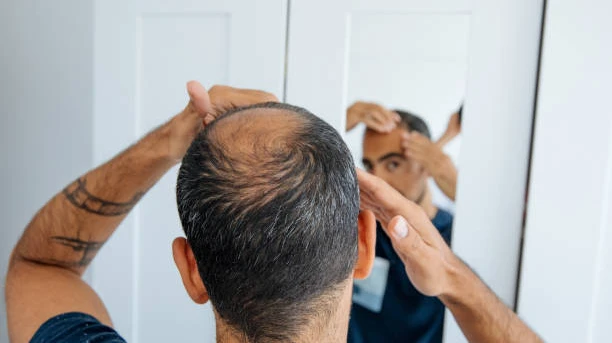
Explore PRP Hair Treatment in Riyadh for thinning hair and hair loss. Learn how the procedure works, its potential benefits, treatment process, and what to expect.
Age can influence the condition of hair follicles, the speed of hair growth, and how the scalp responds to different treatments. As people get older, hair may naturally become finer, grow more slowly, or lose some of its density. For individuals experiencing thinning hair, PRP Hair Treatment in Riyadh may be considered as a way to support existing follicles, although results can vary depending on age, the cause of hair loss, and overall follicle health.
Understanding the Relationship Between Age and Hair Loss
Hair naturally changes throughout life. Younger people may experience hair loss related to genetics, hormones, nutritional factors, or temporary shedding, while age-related changes may become more noticeable later in life. Understanding why hair is thinning is important because PRP works best when there are viable follicles that can still respond to treatment.
Hair Growth Changes With Age
The hair growth cycle can change gradually over time. Individual strands may become thinner, and the active growth phase may become shorter. These changes can contribute to reduced density and make the scalp more visible, particularly in areas already affected by genetic or hormonal hair loss.
Follicle Health Matters
Age alone does not determine whether someone will respond to PRP. The condition of the hair follicles is an important consideration. Follicles that are weakened but still producing hair may have more potential to respond than areas where follicles have been inactive for a long period.
PRP Hair Treatment in Younger Adults
Younger adults can experience significant hair thinning, particularly when genetic or hormonal factors are involved. Early evaluation can help identify the cause before substantial follicle miniaturization occurs.
Early Hair Loss May Be Easier to Address
When thinning is identified at an earlier stage, more viable follicles may remain. PRP may be considered to support these follicles and promote a healthier scalp environment. However, treatment should be based on an assessment rather than age alone.
Identifying the Cause Is Important
Hair loss in younger people can have many possible causes, including stress, nutritional deficiencies, hormonal changes, medical conditions, and genetics. Treating the underlying issue may be necessary before or alongside PRP.
PRP Hair Treatment in Middle Age
As people move through their 30s, 40s, and 50s, hair thinning may become more noticeable. Genetic pattern hair loss can progress gradually, while hormonal changes and other age-related factors may also affect hair density.
Supporting Thinning Follicles
PRP may be used to support follicles that are still active but producing finer hair. The objective is generally to improve the environment around existing follicles rather than create new follicles.
Individual Response Can Vary
People of the same age can have very different hair conditions. One person may have relatively healthy follicles with mild thinning, while another may have advanced miniaturization. These differences can influence the potential response to treatment.
PRP and Hair Changes in Older Adults
Older adults may experience reduced hair density and slower growth as part of natural aging. This does not automatically mean PRP will be ineffective, but expectations should be realistic and based on the condition of the scalp and follicles.
Existing Follicles Are Essential
PRP relies on the presence of follicles that can potentially respond to treatment. If follicles are significantly miniaturized or no longer functioning, PRP may have a more limited role. A professional scalp assessment can help determine whether treatment is appropriate.
Gradual Results Should Be Expected
Hair growth takes time at any age, and the process may be particularly gradual when follicles are weakened. Patients should not expect immediate changes following a PRP session. Improvements, when they occur, generally develop progressively through natural hair-growth cycles.
Factors That Can Affect PRP Results at Any Age
Age is only one part of the overall picture. Several other factors can influence how someone responds to PRP.
Cause and Pattern of Hair Loss
Genetic, hormonal, stress-related, nutritional, and other forms of hair loss can behave differently. Identifying the underlying cause helps determine whether PRP is an appropriate option.
Scalp and Follicle Condition
A healthy scalp and the presence of viable follicles can be important considerations when planning PRP. Areas with severe or longstanding hair loss may have fewer follicles capable of responding.
Overall Health and Lifestyle
Nutrition, sleep, stress, medications, medical conditions, and general health may influence hair growth. Addressing relevant factors can complement a hair-treatment plan.
How Treatment Expectations Change With Age
Realistic expectations are important regardless of age. PRP may help support existing follicles, but it does not guarantee a specific amount of new hair growth. The extent of improvement can depend on the individual's biology and the reason for thinning.
A Personalized Treatment Plan
A clinician can evaluate the scalp, hair density, pattern of loss, medical history, and treatment goals before recommending PRP. This individualized approach helps determine whether the treatment is suitable and what type of results may reasonably be expected.
Book an Appointment
If you are concerned about thinning hair at any stage of life, a professional assessment can help identify the possible cause and suitable treatment options. Royal Clinic Saudia can provide a personalized consultation to determine whether PRP may be appropriate for your hair concerns.
FAQs
Does age determine whether PRP will work?
No. Age can influence hair and follicle characteristics, but the cause and stage of hair loss, follicle condition, and overall health are also important factors.
Is PRP suitable for younger people with hair loss?
It may be suitable for some younger adults, particularly when viable follicles remain. The underlying cause of hair loss should be evaluated before treatment.
Can older adults have PRP hair treatment?
Some older adults may be candidates for PRP if viable follicles remain and the treatment is considered appropriate after assessment.
Do PRP results take longer as you get older?
Hair growth is naturally gradual, and individual response can vary at any age. Older adults may have additional factors affecting hair growth, so results and timing should be discussed during consultation.

Comments
Login to Comment