When Home Remedies Aren’t Enough: See Dermatologists
01 Oct, 2026
7 Views 0 Like(s)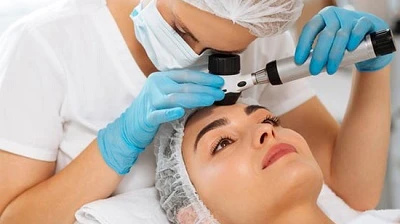
Find trusted dermatologists in Muscat for expert skin, hair, and nail care. Explore experienced specialists, treatments, and clinics for your dermatology needs.
Skin problems are often treated at home first. A person may try a gentle cleanser, moisturizer, sunscreen, an over-the-counter cream, or a traditional home remedy before considering professional care. For mild and short-term concerns, this approach may sometimes be reasonable. However, when a skin condition continues, repeatedly returns, becomes painful, or starts affecting daily life, professional assessment can make a significant difference.
This is where Dermatologists in Muscat can play an important role. Dermatologists are medical specialists trained to diagnose and treat conditions affecting the skin, hair, and nails. They can distinguish between problems that may look similar but require very different treatments. They can also determine whether a persistent skin concern is caused by irritation, allergy, infection, inflammation, hormonal changes, or another underlying factor.
Seeking professional advice does not mean every skin problem requires complicated treatment. In many cases, a dermatologist may simply recommend changes to a skincare routine, identify an irritating product, or suggest an appropriate treatment. The key benefit is getting a more informed assessment instead of repeatedly experimenting with remedies that may not address the real cause.
Why Home Remedies May Not Always Work
Home remedies are popular because they are accessible and often appear simple. Ingredients such as aloe vera, honey, oatmeal, or certain oils are commonly discussed for skincare. Some may provide temporary soothing effects, but natural does not automatically mean suitable for every skin type or condition.
A major issue with self-treatment is that the visible symptom may not reveal the underlying problem. Redness, itching, bumps, scaling, or discoloration can occur with numerous skin conditions. For example, what appears to be ordinary irritation could actually be eczema, contact dermatitis, a fungal infection, or another dermatological condition.
Another concern is delayed treatment. If someone continues using an ineffective remedy for weeks or months, a condition may become harder to manage. Some products can also irritate sensitive skin or worsen inflammation.
Professional evaluation is particularly useful when symptoms persist despite reasonable home care. Instead of repeatedly changing products, a person can receive guidance based on the condition's appearance, history, triggers, and severity.
Signs It May Be Time to Consult a Dermatologist
Not every blemish or dry patch requires medical attention. However, certain warning signs suggest that professional advice may be appropriate.
Persistent symptoms are one of the clearest indicators. If itching, redness, scaling, acne, or a rash does not improve after appropriate basic skincare, it may be time to seek an evaluation.
Pain, swelling, bleeding, oozing, or rapidly changing skin lesions also deserve attention. A new or changing mole, for example, should not simply be treated with a home remedy. Professional assessment can help determine whether further investigation is necessary.
Recurring problems are another reason to consider dermatological care. If the same rash or acne flare repeatedly returns after temporary improvement, identifying the underlying trigger may be more useful than repeatedly treating the symptoms.
A dermatologist can also help when a skin concern begins affecting sleep, work, confidence, or everyday activities. Skin health is not only about appearance; persistent symptoms can have a meaningful effect on overall quality of life.
What Dermatologists Can Help Treat
Dermatologists manage a broad range of conditions, from common concerns to more complex skin disorders.
Acne is one of the most frequent reasons people seek dermatological care. While mild acne may sometimes respond to basic skincare and non-prescription products, persistent or severe acne can benefit from an individualized treatment plan. Professional care may also help reduce the risk of long-term scarring and persistent discoloration.
Eczema and dermatitis can also be difficult to manage without understanding triggers. A dermatologist may assess the pattern of irritation and recommend suitable skincare, medications, or lifestyle adjustments.
Fungal skin infections are another area where correct diagnosis matters. Several different conditions can produce itching, redness, or scaling, but they do not necessarily respond to the same treatment. Using an inappropriate cream can sometimes make the situation more complicated.
Dermatologists can also address psoriasis, rosacea, pigmentation concerns, hair loss, nail disorders, excessive sweating, skin allergies, and various types of skin lesions. Treatment depends on the individual's condition, medical history, skin type, and response to previous care.
What to Expect During a Dermatology Consultation
For someone who has never visited a dermatologist, the process may seem more complicated than it actually is. A consultation generally begins with a discussion about the person's symptoms and concerns.
The dermatologist may ask when the problem started, whether it has changed, what products have been used, and whether particular situations appear to trigger flare-ups. Information about medications, allergies, previous treatments, and relevant medical history can also be helpful.
A physical examination of the affected skin is usually an important part of the assessment. Depending on the condition, the dermatologist may use specialized equipment or recommend additional testing.
The treatment plan may be straightforward. It could include a prescription medication, a change in skincare products, a specific cleansing or moisturizing routine, or advice about avoiding a known trigger. Some conditions may require follow-up appointments to monitor progress and adjust treatment.
Patients can make consultations more productive by bringing a list of current medications and skincare products. Photographs of previous flare-ups may also help if the condition changes significantly between episodes.
Choosing the Right Skincare Approach in Muscat's Climate
The environment can influence how the skin behaves. Muscat's warm climate and strong sun exposure can make sun protection, hydration, and appropriate skincare particularly relevant.
Daily sunscreen can help protect against ultraviolet radiation and may be especially important for people managing pigmentation concerns or using treatments that increase sun sensitivity. A dermatologist can recommend a sunscreen approach suitable for a person's skin type and condition.
Sweating and heat may also contribute to irritation for some individuals. However, aggressively scrubbing the skin or repeatedly washing it can damage the skin barrier. A balanced routine generally focuses on gentle cleansing, suitable moisturization, and avoiding unnecessary irritants.
People with sensitive or acne-prone skin may benefit from professional advice before introducing multiple active ingredients. Using several products at once can make it difficult to identify what is helping and what may be causing irritation.
Professional guidance can therefore be valuable not only for treating existing conditions but also for developing a practical long-term skincare routine.
Why Early Professional Advice Can Matter
One of the biggest advantages of consulting a dermatologist is avoiding prolonged guesswork. A person may spend months trying different creams, changing cleansers, or following online skincare trends without knowing what is actually causing the problem.
An accurate diagnosis provides a starting point. Once the underlying condition is understood, treatment can be selected with a clearer purpose.
Early care may also be useful for concerns that can leave lasting changes. Certain forms of acne can result in scarring, while some inflammatory skin conditions can cause prolonged discoloration. Addressing the condition appropriately may help reduce the likelihood of persistent effects.
It is also important to understand that dermatological treatment does not always mean medication. Sometimes the most useful recommendation is to simplify a skincare routine, stop using a particular irritating product, protect the skin from the sun, or make another practical adjustment.
The goal is not to replace sensible home skincare but to recognize when home care has reached its limits.
Making Dermatology Part of Long-Term Skin Health
Healthy skin is usually the result of consistent habits rather than one quick solution. Gentle cleansing, adequate moisturization, sun protection, avoiding known irritants, and maintaining a balanced routine can all support the skin barrier.
At the same time, persistent or unusual changes should not be ignored simply because they initially appear minor. Professional assessment can provide reassurance when a concern is harmless and appropriate treatment when intervention is needed.
For people searching for Dermatologists in Muscat, the most important consideration is finding qualified professional care that matches the nature of the skin concern. A consultation can help turn uncertainty into a clearer understanding of what the skin needs.
Home remedies and basic skincare have their place, but they should not become substitutes for medical evaluation when symptoms persist or worsen. Knowing when to seek professional help is an important part of responsible skin health.
Frequently Asked Questions
1. When should someone stop relying on home remedies for a skin problem?
If symptoms persist, worsen, repeatedly return, become painful, or interfere with daily activities, professional assessment may be appropriate. A dermatologist can determine whether the condition requires medical treatment or a change in skincare habits.
2. Can a dermatologist help with acne that has not improved with over-the-counter products?
Yes. Persistent acne can have different causes and levels of severity. A dermatologist can assess the condition and create a treatment plan based on the person's skin, symptoms, previous treatments, and risk of scarring.
3. Is it necessary to see a dermatologist for every rash?
No. Many mild rashes may resolve with simple care. However, a rash that persists, spreads, becomes painful, develops swelling or discharge, or repeatedly returns should be professionally evaluated.
4. Can dermatologists help with pigmentation and dark spots?
Yes. Dermatologists can evaluate pigmentation changes and determine possible causes, including sun exposure, inflammation, acne-related changes, or other factors. Treatment depends on the underlying cause and individual skin characteristics.
5. What should a person bring to a dermatology appointment?
It can be helpful to bring a list of medications, supplements, skincare products, known allergies, and previous treatments. Photographs showing how the condition looked during an earlier flare-up can also provide useful information.
6. Does seeing a dermatologist always mean prescription medication is necessary?
No. Treatment depends on the diagnosis. A dermatologist may recommend skincare changes, trigger avoidance, monitoring, non-prescription products, prescription treatment, or further testing depending on the situation.
Read More About Dermatologists in Muscat: https://medium.com/@eshanasir556/dermatologists-share-what-to-know-before-a-skin-treatment-90fc01feed4e


Comments
Login to Comment