The Strait of Hormuz has long been one of the world’s most critical energy chokepoints, and any disruption here sends shockwaves across global markets. For India, a country heavily dependent on imported crude oil, the idea of a Hormuz blockade is not just a geopolitical concern—it is an economic and energy security challenge. As tensions rise in the Middle East, questions around how India will secure its oil supplies are becoming increasingly important.
The Strait of Hormuz is a narrow passage connecting the oil-rich Gulf region to the rest of the world. Nearly one-fifth of global oil consumption passes through this route every day. Major oil producers such as Saudi Arabia, Iraq, Kuwait, and United Arab Emirates rely on this channel to export crude. For India, which imports over 80% of its oil needs, a large portion of these supplies travels through Hormuz, making it a vital artery for the country’s energy lifeline.

If a blockade were to occur—whether due to conflict, sanctions, or military escalation—it would immediately disrupt supply chains. Oil prices would likely surge, increasing India’s import bill and putting pressure on the economy. Higher fuel prices could lead to inflation, increased transportation costs, and a slowdown in industrial growth. In such a scenario, India must rely on both short-term responses and long-term strategies to safeguard its energy needs.
One of the key measures India has already taken is the creation of strategic petroleum reserves. Managed by the Indian Strategic Petroleum Reserves Limited, these reserves are designed to store crude oil that can be used during emergencies. Facilities in locations like Visakhapatnam, Mangaluru, and Padur can collectively hold several days’ worth of oil consumption. While these reserves cannot fully replace regular imports, they provide a crucial buffer that gives the government time to respond to disruptions.

Diversification of oil sources is another important strategy. Over the years, India has reduced its dependence on any single region by importing crude from countries outside the Gulf, including the United States, Russia, and Brazil. This diversification helps mitigate risks associated with geopolitical tensions in the Middle East. In recent years, increased imports from Russia have played a significant role in stabilizing India’s oil supply, especially during periods of global uncertainty.
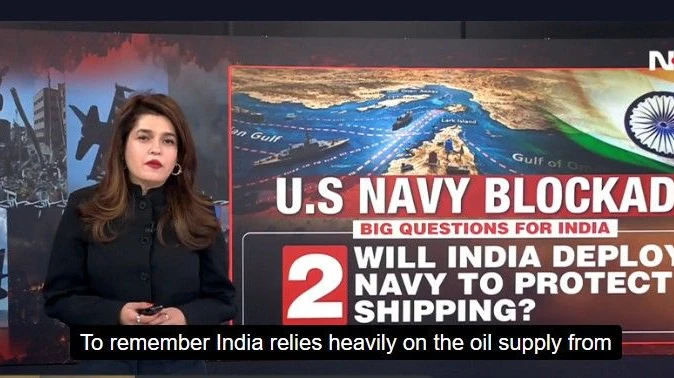
India is also investing in strengthening its maritime security to ensure the safe passage of oil tankers. The Indian Navy plays a crucial role in safeguarding sea lanes, conducting patrols, and escorting vessels when necessary. In times of heightened tension, naval presence in key regions helps deter threats such as piracy or potential blockades. Collaboration with international partners also enhances the security of critical shipping routes.
Another potential solution lies in developing alternative transport routes that bypass the Strait of Hormuz. Some Gulf countries have already built pipelines that transport oil to ports outside the Strait, reducing reliance on this narrow passage. India can benefit from such infrastructure by securing supplies through these alternative routes. Additionally, diplomatic engagement with Gulf nations ensures continued cooperation even during periods of instability.
Beyond immediate responses, India is actively working to reduce its long-term dependence on imported oil. The government is promoting renewable energy sources such as solar, wind, and biofuels to create a more sustainable and resilient energy mix. Initiatives aimed at increasing electric vehicle adoption and improving energy efficiency are also part of this broader strategy. By gradually reducing reliance on crude oil, India can better shield itself from global supply shocks.

Domestic production, although limited, is another area of focus. Efforts are being made to boost exploration and production within India to reduce import dependence. While this may not completely eliminate the need for imports, even a modest increase in domestic output can provide additional stability during crises.
Diplomacy remains a cornerstone of India’s approach to energy security. Maintaining strong relationships with key oil-producing nations ensures a steady supply even in uncertain times. India’s balanced foreign policy allows it to engage with multiple countries simultaneously, securing favorable trade agreements and supply arrangements. This flexibility is particularly important in navigating complex geopolitical situations.
In conclusion, a Hormuz blockade would pose a serious challenge to India’s energy security, but the country is not without options. Through strategic reserves, diversified imports, enhanced maritime security, and a push toward renewable energy, India is building a multi-layered approach to safeguard its oil supplies. While risks remain, proactive planning and adaptive strategies will play a crucial role in ensuring that India can withstand potential disruptions and maintain economic stability.
As global energy dynamics continue to evolve, India’s focus on resilience and sustainability will determine how effectively it can navigate crises like a potential blockade in the Strait of Hormuz.



Comments
Login to Comment