FUE Hair Transplant: A Modern Solution for Hair Restoration
21 Oct, 2026
5 Views 0 Like(s)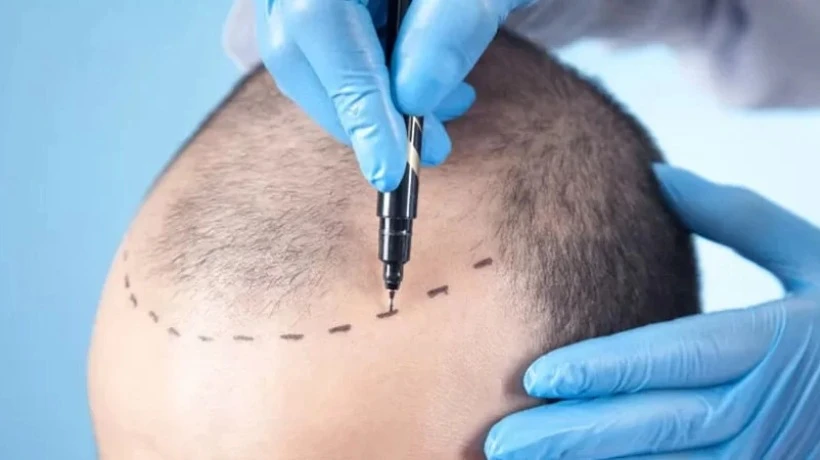
Discover how FUE hair transplant in Islamabad restores hair naturally, improves hair density, and supports renewed confidence with personalized care.
Hair loss can affect more than physical appearance. For many people, thinning hair, a receding hairline, or bald patches can influence confidence and everyday comfort. Modern hair restoration techniques offer different ways to address these concerns, and Follicular Unit Extraction (FUE) has become a popular option for suitable candidates. This technique involves extracting individual hair follicles from a donor area and placing them into areas affected by hair loss.
Choosing an appropriate treatment begins with understanding the procedure, expected results, recovery process, and potential risks. FUE Hair Transplant in Islamabad provides an option for people seeking professional hair restoration services tailored to their individual needs.
What Is an FUE Hair Transplant?
FUE stands for Follicular Unit Extraction. It is a hair transplantation technique in which a qualified medical professional removes individual follicular units, usually from the back or sides of the scalp, and transplants them into areas with insufficient hair growth.
Unlike the traditional strip method, FUE does not require removing a strip of scalp tissue. Instead, it creates many small extraction sites that typically heal as tiny marks. The procedure is designed to redistribute existing hair follicles rather than create new ones.
FUE may be considered by people experiencing male-pattern hair loss, female-pattern hair thinning in selected cases, or certain types of hairline recession. A professional assessment is essential to determine whether the technique is appropriate.
How Does the FUE Hair Transplant Procedure Work?
The process generally involves several carefully planned stages to support natural-looking results.
Initial Consultation and Hair Assessment
The first step is a consultation with a qualified hair restoration specialist. The specialist examines the scalp, reviews the pattern of hair loss, assesses donor hair availability, and discusses the patient's goals.
Medical history, current medications, scalp conditions, and the possibility of continued hair loss may also be considered. This evaluation helps determine whether FUE is suitable and how many grafts might be required.
Donor Hair Extraction
During the procedure, local anesthesia is generally used to minimize discomfort. Individual follicular units are extracted from the donor area using specialized instruments. The number of grafts depends on the extent of hair loss, donor density, and the desired coverage.
Graft Placement
Small recipient sites are created in the treatment area, and the extracted follicles are placed according to the planned hairline, angle, and direction of natural hair growth. Careful placement is important for achieving a balanced appearance.
The duration of treatment varies according to the number of grafts and the complexity of the procedure.
Key Benefits of FUE Hair Transplant
FUE offers several potential benefits for appropriately selected patients.
-
No linear strip scar: The technique avoids the long incision associated with strip-based transplantation, although small scars may remain.
-
Natural-looking hairline: Careful planning can help create a hairline that complements facial features.
-
Individualized treatment: Graft numbers and placement can be adapted to the patient's needs.
-
Relatively small extraction wounds: The tiny extraction sites generally heal over time.
-
Long-term improvement: Transplanted follicles can provide lasting growth when they survive successfully, although future hair loss may affect the overall appearance.
Results vary from person to person, and no clinic can guarantee a particular density or outcome.
Who Is a Suitable Candidate for FUE?
FUE may be appropriate for adults with sufficient healthy donor hair and a type of hair loss that can be addressed through transplantation. People with stable pattern hair loss are often considered, but suitability depends on individual circumstances.
Candidates should have realistic expectations about coverage and density. A transplant redistributes existing follicles, so the amount of available donor hair places limits on what can be achieved.
People experiencing sudden hair loss, active scalp inflammation, certain medical conditions, or insufficient donor hair may need further evaluation or alternative treatment options. A specialist may recommend stabilizing ongoing hair loss before considering surgery.
Recovery and Aftercare Following FUE
Following an FUE procedure, patients may experience temporary redness, swelling, tenderness, scabbing, or mild discomfort. These effects generally improve during the initial healing period, although recovery varies.
Following the aftercare instructions provided by the treating professional is essential. Patients are commonly advised to:
-
Keep the scalp clean according to the clinic's instructions.
-
Avoid rubbing, scratching, or picking at the transplanted area.
-
Follow guidance about washing and sleeping positions.
-
Avoid strenuous exercise until medically cleared.
-
Take prescribed medicines only as directed.
-
Attend follow-up appointments to monitor healing.
Transplanted hairs may shed during the first few weeks. This is often a normal stage of the hair growth cycle and does not necessarily mean the transplant has failed. New growth commonly begins over the following months, with visible improvement developing gradually. Final results may take around 12 months or longer.
Why Consider FUE Hair Transplant in Islamabad?
People considering hair restoration should prioritize medical expertise, appropriate facilities, transparent communication, and personalized treatment planning.
When researching FUE Hair Transplant in Islamabad, ask about the practitioner's qualifications, experience with FUE, infection-control practices, and approach to hairline design. It is also helpful to understand the full treatment cost, follow-up arrangements, possible complications, and the expected number of grafts.
Before-and-after photographs may provide useful context, but results from other patients cannot guarantee similar outcomes. A trustworthy provider should explain both the benefits and limitations of treatment without promising unrealistic results.
Potential Risks and Important Considerations
Although FUE is generally considered safe when performed by appropriately trained professionals, it is still a surgical procedure. Possible complications include infection, bleeding, scarring, temporary numbness, poor graft growth, an unnatural hairline, and uneven density.
Some patients may require additional treatment as hair loss progresses. A specialist should explain the risks relevant to the individual's health, hair characteristics, and treatment plan.
Conclusion
FUE hair transplantation is a modern option for people seeking to improve hair coverage and address selected patterns of hair loss. Its follicle-by-follicle approach allows careful placement and avoids the long linear incision associated with traditional strip harvesting. However, successful outcomes depend on donor hair quality, appropriate planning, medical expertise, and realistic expectations.
If you are exploring FUE Hair Transplant in Islamabad, arrange a consultation with a qualified specialist to discuss your hair loss, assess your suitability, and understand the expected benefits, risks, recovery, and long-term maintenance.
Frequently Asked Questions (FAQs)
1. What is FUE Hair Transplant in Islamabad?
FUE Hair Transplant in Islamabad is a hair restoration procedure in which individual follicles are extracted from a donor area and transplanted into thinning or bald areas of the scalp.
2. How long does an FUE hair transplant take?
The procedure may take several hours, depending on the number of grafts, the size of the treatment area, and the complexity of the planned restoration.
3. When can I see results after FUE Hair Transplant in Islamabad?
Initial new growth often appears after a few months. Noticeable improvement usually develops gradually, and fuller results may take around 12 months or longer.
4. How do I choose a clinic for FUE Hair Transplant in Islamabad?
Choose a clinic with qualified professionals, appropriate medical facilities, clear pricing, realistic treatment advice, and proper follow-up care. Always discuss potential risks and expected results before proceeding.
For more information visit
Enfield royal clinic in islamabad



Comments
Login to Comment