From HTML to Databases Exploring Full Stack Development
16 Feb, 2026
7406 Views 0 Like(s)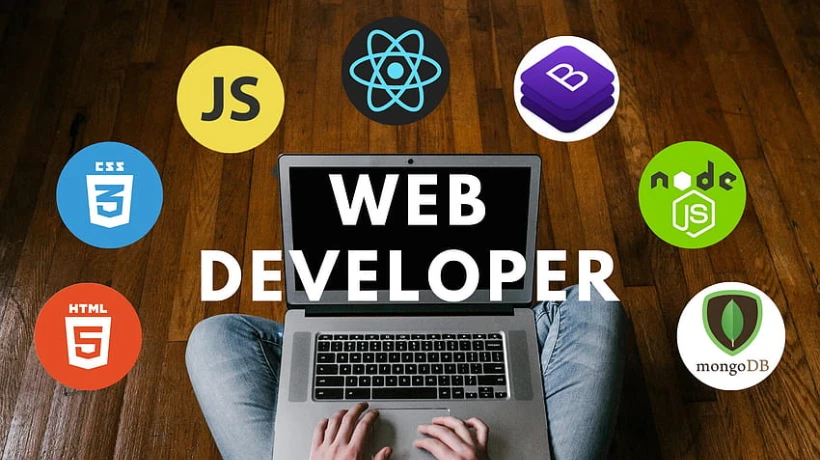
Explore full stack development from HTML to databases, mastering front-end design, back-end logic, and complete web application building.
Full stack development is now one of the most in-demand skills in tech. It means being able to work on both the front-end and back-end of web applications, connecting what users see with how things work behind the scenes. If you want to build web apps that are scalable, dynamic, and interactive, learning full stack development is essential. If you’re looking for structured learning and practical experience, a Full Stack Developer Course in Chennai at FITA Academy could be a great choice. In this blog, we’ll look at what it takes to become a full-stack developer, from learning HTML to working with databases, and why these skills matter in the tech industry.
What is Full Stack Development?
Full Stack Development refers to the development of both the client-side (front-end) and server-side (back-end) parts of a web application. A full stack developer possesses knowledge of multiple technologies and can work on the entire software stack, designing user interfaces, managing databases and server logic. This versatility makes full stack developers highly valuable for startups, enterprises, and tech projects where adaptability is key.
The stack in Full Stack Development typically includes three main layers:
-
Front-End (Client-Side) – Everything the user interacts with directly, including web pages, forms, buttons, and visuals.
-
Back-End (Server-Side) – Handles the application logic, server communication, authentication, and data processing.
-
Database Layer – Stores and manages data that the application uses, including user information, content, and business records.
A full stack developer must be familiar with each layer to ensure smooth communication between the front-end and back-end.
Starting with HTML – The Foundation of Web Development
Every full stack journey begins with learning HTML (HyperText Markup Language). HTML gives the basic structure of web pages. allowing developers to create content such as headings, paragraphs, lists, links, and forms. Learning HTML is essential because it forms the foundation for more advanced front-end technologies like CSS and JavaScript.
CSS (Cascading Style Sheets) helps in styling HTML elements to create visually appealing web pages, while JavaScript enables interactive behavior, like handling user clicks, form validation, and animations. Together, HTML, CSS, and JavaScript form the backbone of front-end development.
Diving Deeper into Front-End Frameworks
Once the basics are clear, full stack developers often move on to learning front-end frameworks like React, Angular, or Vue.js. These frameworks make it easier to build dynamicuser interfaces and make it easier to manage complex applications. They allow developers to create reusable components, handle state efficiently, and improve performance, making modern web applications faster and more responsive.
Understanding Back-End Development
The back-end is where the application's real logic runs. It involves programming languages and frameworks that handle server-side functionality. Popular back-end languages include Python, Java, Node.js, and PHP. Frameworks such as Django, Express.js, and Spring Boot help developers efficiently structure their applications.
A full stack developer must understand how servers handle requests, how to create APIs (Application Programming Interfaces), and how to manage authentication, security, and error handling. The back-end ensures the front-end has access to the necessary data and can perform actions such as retrieving information, saving user input, and executing business rules. For those aiming to ensure their applications are reliable and bug-free, combining back-end knowledge with practical testing skills is crucial. Enrolling in a Software Testing Course in Chennai can provide the expertise to test applications effectively, identify errors, and maintain high-quality software.
The Role of Databases
Databases are an integral part of full stack development. They store the data that applications rely on. There are two main types of databases:
-
Relational Databases (SQL) – Examples include MySQL, PostgreSQL, and Oracle. They store data in tables with structured relationships and are perfect for applications that need complex queries.
-
Non-Relational Databases (NoSQL) – Examples include MongoDB and Firebase. These databases store unstructured data and are useful for flexible, scalable applications.
Full stack developers need to know how to design database schemas, write queries, and interact with databases using back-end code. This knowledge ensures that data flows smoothly between the server and the client, creating seamless application experiences.
Connecting the Layers – APIs and Frameworks
APIs serve as a connection between the front-end and back-end. They allow the user interface to communicate with the server and database without exposing sensitive information. RESTful APIs and GraphQL are commonly used in full stack applications to handle data exchange efficiently.
Frameworks play a key role in integrating all layers. For example, using React on the front-end and Node.js with Express on the back-end allows developers to build full-featured applications with consistent technologies, making maintenance and scaling easier.
Challenges in Full Stack Development
Learning Full Stack Development can be overwhelming because it requires mastering multiple technologies simultaneously. Beginners often struggle with understanding the flow between the front-end, back-end, and database layers. Debugging errors that span multiple layers can also be challenging.
Another challenge is staying updated with constantly evolving tools and frameworks. The tech landscape changes rapidly, and full stack developers need continuous learning to remain relevant.
Why Full Stack Skills Are Valuable
Full stack developers are in high demand because they provide a range of skills and work effectively. They can manage several parts of a project, which lowersdependency on specialized roles. Startups and small businesses especially benefit from hiring full stack developers because one person can manage front-end, back-end, and database tasks.
For professionals, mastering full stack development opens doors to lucrative career opportunities. Full-stack developers are in high demand learning these skills can lead to roles like full-stack developer, Web Application Developer, and Software Engineer.
Getting Started and Learning Path
For those who want to become full stack developers, the learning path typically includes:
-
HTML, CSS, JavaScript – Start with front-end basics.
-
Front-End Frameworks – Learn React, Angular, or Vue.js.
-
Back-End Programming – Learn Node.js, Python, Java, or PHP.
-
Databases – Learn SQL and NoSQL databases.
-
APIs and Integration – Understand RESTful services and GraphQL.
-
Projects – Build real-world applications to strengthen your skills.
Enrolling in a structured course can make this learning path easier. Institutes like this offer a Java Course in Chennai, providing hands-on experience and guidance to help learners become industry-ready.
Full stack development is more than just coding; it’s about connecting the dots between front-end, back-end, and databases to create seamless web applications. From learning HTML to managing databases, a full stack developer gains a holistic understanding of how modern web applications function. While the journey can be challenging, Mastering full stack development opens up exciting job opportunities and prepares you for the demands of the modern tech industry.

Comments
Login to Comment