Fat Melting Injections vs Fat Freezing: Understanding the Di
04 Nov, 2026
10 Views 0 Like(s)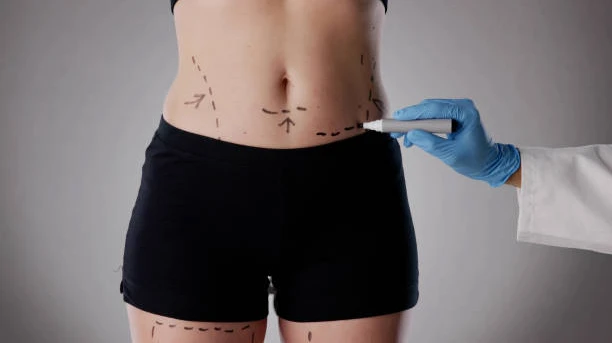
Fat Melting Injections in Riyadh offer a non-surgical approach to reducing localized fat and achieving a more sculpted appearance with a personalized treatment
Choosing a non-surgical fat-reduction treatment can be confusing because several procedures promise to improve body contours without traditional surgery. Fat melting injections and fat freezing are two different approaches designed to address selected areas of localized fat. Although both aim to reduce unwanted fat, they use different techniques, have different treatment requirements, and may not be suitable for the same individuals. If you are researching Fat Melting Injections in Riyadh, understanding these differences can help you discuss your options with a qualified healthcare professional.
Fat melting injections use specific substances administered into targeted tissue, while fat freezing, also known as cryolipolysis, uses controlled cooling to affect fat cells. Neither treatment is intended for general weight loss or obesity management. Their suitability depends on the treatment area, body composition, medical history, and the evidence supporting the particular procedure.
What Are Fat Melting Injections?
How Do Fat-Dissolving Injections Work?
Fat-dissolving injections involve administering a formulation into a selected area to disrupt fat cells. The body gradually processes and removes the affected cellular material. However, formulations vary in their ingredients, clinical evidence, and approved indications. Certain deoxycholic acid formulations are approved for reducing fat beneath the chin, but this approval does not automatically apply to other body areas.
Which Areas Can Be Considered?
Some injectable products have established indications for localized fat beneath the chin. Other areas, such as the abdomen, arms, thighs, and back, require careful consideration because evidence and regulatory approval vary. A qualified clinician should confirm whether the specific formulation is appropriate for the intended area before recommending treatment.
What Is Fat Freezing?
Understanding Cryolipolysis
Fat freezing, or cryolipolysis, is a non-surgical procedure that uses controlled cooling to target fat cells in a selected area. A specialized device applies cooling to the treatment area, affecting fat cells while aiming to limit damage to surrounding tissues. The body gradually processes the affected cells over time.
Common Treatment Areas
Depending on the device's approved indications and the patient's suitability, cryolipolysis may be considered for areas such as the abdomen, flanks, thighs, or back. The available applicators and treatment options vary by device. A professional assessment is necessary to determine whether the targeted fat can be safely treated.
Fat Melting Injections vs Fat Freezing: Key Differences
Treatment Technique
The main difference is how each procedure targets fat cells. Injections deliver a formulation directly into selected tissue through a needle, while fat freezing uses an external device to apply controlled cooling. Both require appropriate patient selection and trained professionals.
Treatment Experience
Injectable treatments involve several small injections and may cause temporary stinging, tenderness, swelling, or bruising. Fat freezing generally involves the placement of an applicator on the skin, which can create pulling, pressure, intense cold, or temporary numbness. The experience varies depending on the treatment area and individual sensitivity.
Treatment Sessions
The number of sessions depends on the product, device, treatment area, and individual response. Injectable treatments may require multiple sessions depending on the formulation and approved treatment protocol. Cryolipolysis may also require more than one treatment to achieve the desired contouring outcome. Neither procedure guarantees a particular result.
Which Treatment Is More Effective?
When Fat Melting Injections May Be Considered
Injectable fat reduction may be considered for a selected localized fat deposit when the specific product has an appropriate approved indication. Fat Melting Injections in Riyadh should only be considered after checking the product's ingredients, regulatory status, clinical evidence, and suitability for the intended area. It should not be assumed that an injectable formulation can safely treat every body part.
When Fat Freezing May Be Suitable
Cryolipolysis may be an option for individuals with pinchable localized fat that fits the available device applicator and meets the manufacturer's treatment criteria. It is not suitable for every body shape or medical condition. A clinician should explain the expected benefits, limitations, and possible complications before treatment.
Risks and Possible Side Effects
Possible Risks of Fat Melting Injections
Common effects include swelling, bruising, redness, tenderness, firmness, and temporary changes in sensation. More serious complications can include infection, nerve injury, tissue damage, skin necrosis, allergic reactions, and uneven contours. The risks depend on the formulation and treatment location.
Possible Risks of Fat Freezing
Temporary redness, swelling, bruising, tenderness, and numbness can occur after cryolipolysis. A rare but important complication is paradoxical adipose hyperplasia, in which the treated fat area becomes enlarged rather than smaller. This may require surgical treatment. Patients should discuss device-specific risks and contraindications before proceeding.
How to Choose the Right Treatment
The best choice depends on the area being treated, the amount and distribution of fat, skin condition, medical history, and desired outcome. Fat freezing may be considered when the area fits the device's treatment criteria, while injections may be suitable for specific localized deposits covered by the product's approved indication.
Both procedures are designed for body contouring rather than weight reduction. Neither removes visceral fat surrounding internal organs, and neither replaces healthy eating or physical activity. Fat Melting Injections in Riyadh should be considered only after a qualified professional explains the available evidence, treatment limitations, and potential risks.
Book a Consultation at Royal Clinic Saudia
If you are comparing fat-dissolving injections with fat freezing, arrange a consultation at Royal Clinic Saudia. A qualified professional can assess your concerns, discuss the available treatment options, and explain which procedures may be appropriate for your needs. An individualized evaluation helps ensure that your decision is based on realistic expectations and medical suitability.
FAQs:
Are fat melting injections and fat freezing the same treatment?
No. Fat melting injections use a specific substance delivered through needles, while fat freezing uses controlled cooling through a specialized device. Both target localized fat but work through different methods.
Which treatment is better for belly fat?
Fat freezing may be considered for certain localized abdominal fat deposits when the area meets device requirements. Injectable treatments should only be used on areas covered by the specific product's approved indication and supported by appropriate evidence. A professional assessment is essential.
Is fat freezing safer than fat melting injections?
Neither treatment is completely risk-free. Injections can cause swelling, bruising, nerve injury, or tissue damage, while fat freezing can cause temporary discomfort and, rarely, paradoxical adipose hyperplasia. Safety depends on individual suitability, technique, and professional standards.
Do fat melting injections and fat freezing provide permanent results?
Both treatments may produce lasting changes in treated fat cells, but permanent cosmetic results cannot be guaranteed. Remaining fat cells can enlarge with weight gain, and body shape may change over time.

Comments
Login to Comment