Custom Architectural Signs for RiNo Creative Offices, Innovation Hubs & Mixed-Use Spaces | Graphicworks Sign Company
29 Sep, 2026
34 Views 0 Like(s)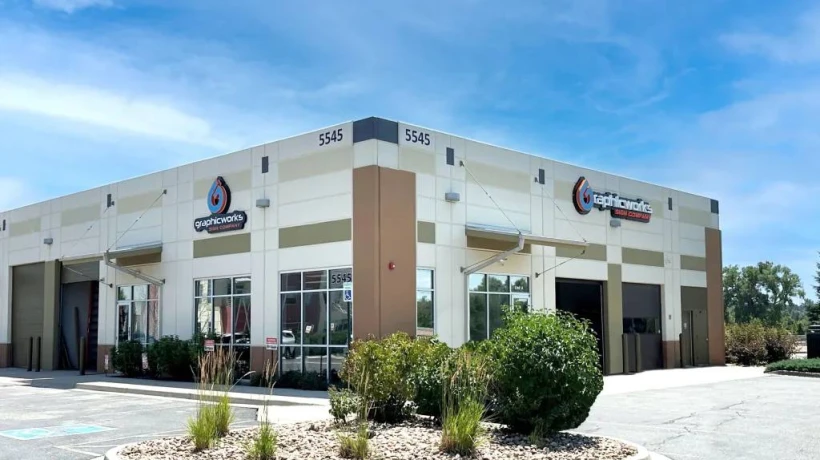
RiNo—Denver’s River North Art District—has developed into one of the Denver Metro area’s most recognizable environments for creative offices, technology companies, entrepreneurs, retail concepts, hospitality, and mixed-use development.
RiNo—Denver’s River North Art District—has developed into one of the Denver Metro area’s most recognizable environments for creative offices, technology companies, entrepreneurs, retail concepts, hospitality, and mixed-use development. The neighborhood combines adaptive-reuse buildings, contemporary office projects, art-driven public spaces, restaurants, retail, and transit-connected workplaces. That combination creates a signage challenge: businesses need signs that identify their space without fighting the architecture around them.
For property owners, architects, developers, and businesses in RiNo, custom architectural signs can solve that challenge by making branding part of the building rather than treating signage as an afterthought. From dimensional lobby lettering and tenant identification to exterior building signage and directional systems, the right sign can improve recognition while complementing the materials, proportions, and character of a Denver property.
For projects requiring this level of design coordination, Graphicworks Sign Company provides custom signage solutions for businesses and commercial properties throughout the Denver Metro area.
Why RiNo Requires a Different Approach to Commercial Signage
RiNo does not have the visual character of a conventional suburban office park. Its identity has been shaped by industrial buildings, rail infrastructure, murals, creative businesses, contemporary developments, and an active pedestrian environment.
The district also includes purpose-built creative office projects. The Hub, for example, is a large mixed-use creative office development near 38th and Blake, while newer projects continue to combine office, retail, amenities, and public-facing spaces.
That architectural variety means a standard sign package may not work equally well everywhere.
A polished technology office might benefit from brushed metal lettering, dimensional acrylic, or minimalist illuminated signage. A creative studio inside an adaptive-reuse building may need signage that works naturally with brick, concrete, steel, or exposed structural elements. A mixed-use property may require a coordinated system that separates tenant identification, entrances, parking, amenities, and pedestrian circulation.
This is where Architectural Signs in Denver Metro become more than simple identification tools.
They become part of the built environment.
What Makes Custom Architectural Signs Different?
A conventional business sign primarily communicates a name or logo. Architectural signage considers the entire relationship between the sign and the property.
That relationship can involve:
- Building materials
- Exterior and interior lighting
- Architectural scale
- Tenant visibility
- Visitor movement
- Brand standards
- Installation surfaces
- Viewing distance
- Pedestrian and vehicle approaches
- Property aesthetics
- Wayfinding requirements
For a RiNo office or mixed-use property, these factors often overlap.
For example, a tenant may have a highly recognizable logo, but placing that logo too prominently on a historic-looking brick façade could disrupt the architectural character. Conversely, making the sign too small or visually subtle can reduce visibility for visitors entering a multi-tenant property.
Custom architectural signs allow these decisions to be considered together instead of selecting a generic sign style first and trying to make it fit afterward.
Architectural Signs for RiNo Creative Offices
Creative offices often communicate their brand through their physical environment. The lobby, reception area, conference rooms, shared spaces, and exterior entrance can all contribute to how employees, clients, investors, and visitors perceive the company.
A custom lobby sign can establish the brand immediately after someone enters the building.
Dimensional lettering is particularly useful when a business wants a clean, sophisticated appearance without overwhelming a contemporary interior. Acrylic, metal, PVC, wood-look materials, and layered dimensional elements can create different visual effects depending on the desired atmosphere.
For a RiNo creative office, signage might include:
- Reception and lobby signs
- Dimensional logo lettering
- Tenant identification signs
- Conference room identification
- Floor identification
- Interior directional signage
- Building directories
- Wall-mounted brand graphics
- Exterior entrance signs
The important point is consistency.
When the exterior identification, lobby sign, room signage, and wayfinding elements share related materials and design language, the building feels intentionally branded rather than assembled from unrelated sign products.
Custom Signage for Innovation Hubs and Technology Workspaces
Innovation-focused workplaces introduce another consideration: flexibility.
Companies grow. Tenants move. Departments change. Shared workspaces evolve. A signage system designed only for today's occupants can quickly become outdated.
For innovation hubs and flexible offices in Denver Metro, architectural signage can be planned around modular tenant identification, replaceable panels, dimensional components, and adaptable wayfinding.
This approach can reduce the need to completely redesign a sign system every time a tenant changes.
The same principle applies to shared environments. If a property contains coworking areas, meeting rooms, event spaces, retail components, and multiple office tenants, visitors need a clear visual hierarchy.
A useful hierarchy might be:
Property identity → Building entrance → Tenant identification → Destination → Direction
When those levels are visually distinct, people can understand where they are and where they need to go without reading every sign in the building.
Mixed-Use Buildings Need More Than One Type of Sign
Mixed-use development creates a unique signage environment because different audiences may use the same property.
An office employee may need to find a tenant entrance. A retail customer may be looking for a storefront. A delivery driver may need loading access. A visitor may need parking or a specific floor. A property manager may need to identify building amenities.
A single sign style cannot necessarily handle all of those functions effectively.
That is why a coordinated architectural signage program can be valuable for mixed-use properties across RiNo and the wider Denver Metro area.
For example:
| Property Need | Potential Signage Solution |
|---|---|
| Building identity | Exterior architectural lettering |
| Tenant recognition | Dimensional tenant signs |
| Reception area | Custom lobby sign |
| Multi-tenant directory | Architectural directory |
| Parking movement | Directional signage |
| Office navigation | Interior wayfinding |
| Retail visibility | Storefront signage |
| Amenity identification | Room and destination signs |
| Brand storytelling | Wall graphics or dimensional displays |
The objective is not simply to add more signs. It is to make each sign perform a specific communication function.
Materials Matter in Denver Architecture
Material selection can significantly change how architectural signage interacts with a building.
Metal can provide a contemporary, industrial, or premium appearance. Acrylic can deliver clean dimensional color and polished surfaces. PVC and layered dimensional materials can create depth without excessive visual weight. Wood-inspired finishes can introduce warmth into modern interiors.
For RiNo properties, material selection can also help connect new signage with existing architectural features.
A sign mounted against exposed brick, for instance, may need different contrast and depth than one installed against glass or a smooth painted wall. Exterior signs also need to account for Colorado's changing weather conditions and long-term exposure.
This is one reason custom fabrication can be more effective than simply choosing a catalog sign.
The sign can be developed around the building.
Architectural Signage vs. Standard Commercial Signage
The distinction becomes clearer when the two approaches are compared.
Standard commercial signage generally prioritizes visibility, identification, and straightforward branding.
Architectural signage adds another layer: integration.
| Consideration | Standard Signage | Custom Architectural Signage |
|---|---|---|
| Primary goal | Identify a business | Identify + integrate with architecture |
| Design approach | Product-focused | Building-focused |
| Materials | Often predetermined | Selected for project |
| Branding | Logo/name | Complete visual identity |
| Wayfinding | May be separate | Can be coordinated |
| Tenant changes | May require replacement | Can be designed for flexibility |
| Property character | Secondary | Central consideration |
Neither approach is appropriate for every application. But for design-conscious offices, innovation spaces, and mixed-use developments, architectural integration can make a substantial difference.
Why Local Context Matters in Denver Metro
Signage designed for Denver should account for the actual environment in which people experience it.
RiNo has a strong pedestrian and street-level identity, while Denver Metro properties outside the district may have very different visibility requirements. An office along Brighton Boulevard, a mixed-use building near 38th and Blake, a creative workspace near Larimer Street, and a suburban corporate property can all require different sign proportions, viewing distances, materials, and wayfinding strategies.
That is why Architectural Signs in Denver Metro should not be treated as a one-size-fits-all category.
The location, building, audience, surrounding businesses, and architectural context all influence the final solution.
RiNo itself has demonstrated how signage can contribute to place identity. The district's wayfinding initiative uses rusted Corten steel to reference the area's industrial character, showing how signage materials can reinforce a neighborhood's visual language.
How Graphicworks Sign Company Can Support Custom Architectural Signage
For Denver Metro businesses and property teams, Graphicworks Sign Company approaches signage as part of the property's overall visual communication.
A custom project can begin with the intended function: identifying a tenant, establishing a building entrance, directing visitors, improving interior navigation, or strengthening a brand experience.
From there, considerations such as dimensions, materials, colors, mounting methods, visibility, and architectural surroundings can guide the sign design.
This approach is particularly relevant for RiNo's combination of creative offices, adaptive-reuse spaces, innovation-focused workplaces, and mixed-use properties.
The result is signage that does not simply occupy space on a building.
It belongs there.
The Future of Architectural Signage in RiNo
As RiNo continues to combine office, retail, hospitality, culture, transit, and residential uses, the demand for clear and visually integrated signage is likely to remain important. The district already has a strong relationship between workplace, public space, creative businesses, and architecture.
For property owners and businesses, that creates an opportunity to think beyond a logo mounted on a wall.
The strongest signage systems can identify a building, reinforce a brand, guide visitors, support tenant experience, and contribute to the architectural character of the property—all at the same time.
For businesses planning a new office, renovation, tenant improvement, innovation hub, or mixed-use development, custom architectural signs provide a practical way to connect brand identity with the physical environment.
And in a design-driven neighborhood like RiNo, that connection matters.
Frequently Asked Questions
What are architectural signs?
Architectural signs are custom-designed identification, branding, and wayfinding signs created to work with a building's architecture. They can include exterior building signs, lobby signs, dimensional lettering, directories, tenant signs, and interior wayfinding systems.
Where can custom architectural signs be used in RiNo?
They can be used in creative offices, technology workplaces, coworking spaces, mixed-use developments, retail environments, apartment communities, hospitality properties, and multi-tenant commercial buildings throughout RiNo and the Denver Metro area.
What materials can be used for architectural signage?
Depending on the application, architectural signage can incorporate materials such as acrylic, aluminum, stainless steel, PVC, dimensional lettering, wood-look finishes, and other fabricated materials. Material selection should consider the building, intended appearance, installation surface, and indoor or outdoor environment.
Are architectural signs useful for multi-tenant buildings?
Yes. A coordinated system can combine building identification, tenant directories, individual tenant signs, floor identification, room signs, and directional signage. This helps create a more organized visitor experience.
How are custom architectural signs different from regular business signs?
Regular business signs typically focus on identifying the business. Custom architectural signage considers identification together with building design, materials, scale, wayfinding, visitor movement, and the property's overall visual identity.
Does Graphicworks Sign Company serve businesses outside RiNo?
Graphicworks Sign Company serves commercial signage needs across the Denver Metro area. This makes architectural signage suitable not only for RiNo properties but also for offices, developments, retail spaces, and commercial buildings throughout the surrounding Denver market.
What should a business consider before ordering an architectural sign?
Start with the sign's purpose, viewing distance, installation location, building materials, brand requirements, lighting conditions, expected visitors, and whether the property may experience future tenant or layout changes. Considering these factors early can help create a signage system that remains useful as the space evolves.
For creative offices, innovation hubs, and mixed-use properties in RiNo and throughout Denver Metro, custom architectural signage can turn identification into an integrated part of the building experience. Graphicworks Sign Company can help businesses and property teams develop signage that connects brand identity, function, and architectural character.
Disclaimer: ThynkTales is a public blogging platform where content is contributed by individual users. While we encourage thoughtful and accurate sharing, we do not independently verify the information provided. Readers are advised to use their discretion and verify any information before relying on it.

Comments
Login to Comment