Car Owner’s Guide to Dent Removal in Queens County NY
29 Sep, 2026
12 Views 0 Like(s)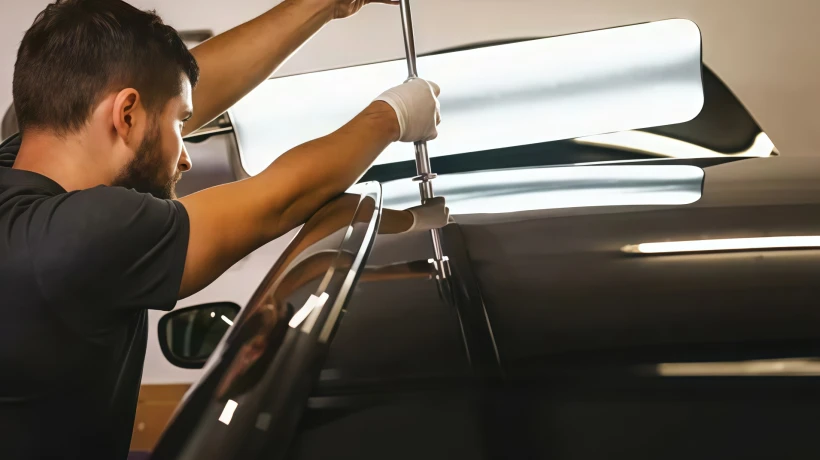
Discover what Queens County car owners should know about dent removal, including paintless dent repair, common dent types, repair costs, and how to choose the right professional service.
If your vehicle has picked up a door ding, parking-lot dent, or other minor body damage, knowing your repair options can help you avoid unnecessary cost and downtime. For drivers looking for dent removal Queens County NY, the right approach depends on the size, location, depth, and condition of the damaged panel. Dent Doctor NY helps vehicle owners understand their repair options so they can make informed decisions about restoring their vehicle’s appearance.
What Is Dent Removal?
Dent removal is the process of restoring a vehicle panel that has been pushed, pressed, or otherwise deformed without automatically replacing the entire panel. The appropriate repair method depends on factors such as the severity of the damage, whether the paint is intact, and whether the metal or other panel material has been stretched.
For many everyday dents, professional repair can restore the panel’s original shape while preserving as much of the factory finish as possible. This can be especially useful for relatively small cosmetic damage caused by shopping carts, neighboring car doors, hail, minor impacts, or parking incidents.
A professional assessment is important because two dents that appear similar from a distance may require very different repair techniques.
Paintless Dent Repair vs. Traditional Body Repair
One of the most useful distinctions for car owners is between paintless dent repair (PDR) and conventional auto body repair.
Paintless dent repair is designed for certain dents where the original paint remains intact and the technician can safely access and manipulate the damaged area. Rather than sanding, filling, and repainting the panel, specialized tools are used to gradually return the metal to its original position.
Traditional body repair may be more appropriate when the paint has been significantly damaged, the panel has a severe crease, the metal is excessively stretched, or the damage affects the structural integrity of a component.
Neither method is automatically suitable for every situation. A qualified technician should examine the vehicle before recommending a repair method.
Why Paintless Dent Repair Can Be Useful
When a dent qualifies for PDR, there are several potential advantages:
-
The vehicle’s original factory paint can often be preserved.
-
There may be less need for body filler or repainting.
-
The repair process can be less invasive than conventional bodywork.
-
Small cosmetic dents may be repaired without replacing an otherwise usable panel.
-
Maintaining the original finish can be valuable when appearance and resale considerations matter.
The final result depends heavily on the technician’s experience, the type of damage, and the accessibility of the affected area.
Common Types of Dents Car Owners Encounter
Queens County drivers can encounter many types of exterior vehicle damage during everyday driving and parking. Understanding the source of a dent can provide useful context, although only an inspection can determine the appropriate repair.
Door Dings
Door dings are among the most common minor dents. They often occur when another vehicle’s door contacts a parked car. If the paint has not been broken and the metal has not been severely stretched, a door ding may be a candidate for paintless dent repair.
Parking Lot Dents
Tight parking spaces, shopping carts, and low-speed contact can leave noticeable dents on doors, fenders, and quarter panels. Because these dents are often cosmetic rather than structural, a professional inspection can determine whether a localized repair is practical.
Hail Damage
Hail can create multiple small dents across a vehicle’s hood, roof, trunk, and other horizontal surfaces. When the paint remains intact, PDR is frequently considered as a repair option. Multiple dents may require a more detailed assessment because the total scope of the damage can vary considerably.
Creases and Deeper Dents
A sharp crease or deeper impact can be more complicated. The metal may have stretched or developed damage that makes a simple repair unsuitable. In these cases, a technician needs to evaluate the panel carefully before determining whether paintless dent repair or conventional body repair is appropriate.
How a Professional Dent Repair Process Works
A Professional dent repair process starts with inspection rather than immediately choosing a repair technique.
First, the technician evaluates the damaged panel, including the dent’s depth, size, location, and proximity to edges or structural components. The condition of the paint is also important because cracked or significantly damaged paint can affect which repair methods are available.
Next, the technician considers access to the backside of the panel. PDR requires controlled access so specialized tools can be used to gradually manipulate the damaged metal. In some situations, limited access may affect the repair approach.
The repair itself should be performed carefully and progressively. Instead of forcing the metal back into position, an experienced technician works toward restoring the panel’s contours while minimizing additional distortion.
Finally, the repaired area is inspected from different angles and under appropriate lighting. This matters because a dent can look very different depending on reflections across the vehicle’s body lines.
What Affects the Cost of Dent Removal?
There is no single price that applies to every dent. Several factors can influence the final cost of a repair.
Size and depth: A larger or deeper dent generally requires more work than a small door ding.
Location: Damage near a body line, edge, brace, or other difficult-to-access area may require additional time and specialized techniques.
Number of dents: Multiple areas of damage can change the overall scope of the job.
Paint condition: Preserved factory paint may make PDR possible, while significant paint damage can require another repair approach.
Panel material: Different materials can respond differently to repair techniques.
For an accurate estimate, vehicle owners should provide clear information about the damage or arrange an in-person inspection when necessary. A reputable repair provider should explain what the recommended service involves rather than promising the same solution for every vehicle.
How to Choose a Dent Repair Provider in Queens County
Choosing a repair provider involves more than comparing the lowest advertised price. Vehicle owners should look for clear communication, relevant experience, transparent recommendations, and evidence of careful workmanship.
Ask whether the provider has experience with the specific type of damage affecting your vehicle. It is also useful to ask whether the original paint can be preserved and what factors could make PDR unsuitable.
Before approving repairs, understand what is included in the estimate and whether additional damage could change the scope of work. If insurance is involved, clarify the process before authorizing repairs.
Customer reviews, examples of completed work, and clear service information can also help vehicle owners understand what to expect. Most importantly, a professional should explain the repair options based on the actual condition of the vehicle rather than recommending unnecessary work.
When Should You Repair a Dent?
A small dent may seem purely cosmetic, but delaying repairs is not always ideal. If the paint has been cracked or chipped, the exposed area may become more vulnerable to corrosion. A damaged panel can also become more noticeable over time as dirt and moisture collect around imperfections.
That does not mean every minor dent requires immediate repair. The right timing depends on the damage, the vehicle’s condition, and the owner’s priorities. If you are unsure whether a dent needs attention, having it professionally assessed can provide useful information before the damage becomes more complicated.
Make an Informed Decision About Your Vehicle’s Dent
Dents and dings are common, but the best repair approach depends on the individual vehicle and the specific damage. Understanding the difference between paintless dent repair and conventional bodywork can help Queens County car owners ask better questions and avoid choosing a repair method based solely on appearance or price.
For drivers considering dent removal Queens County NY, a professional evaluation is a practical starting point. Dent Doctor NY can help vehicle owners understand their available repair options and determine what approach fits the condition of their vehicle.
FAQs
Is every dent suitable for paintless dent repair?
No. PDR is most appropriate when the original paint is intact and the panel can be accessed and safely reshaped. Severe creases, stretched metal, significant paint damage, or difficult access can make another repair method more appropriate.
Does paintless dent repair damage the original paint?
When properly performed on suitable damage, PDR is designed to preserve the vehicle’s existing paint rather than requiring sanding and repainting. The condition of the paint should still be evaluated before work begins.
How long does dent removal take?
Repair time varies according to the dent’s size, depth, location, accessibility, and number of damaged areas. A small, accessible dent may require considerably less time than extensive or complicated damage.
Can a door ding be repaired without repainting?
In many cases, a door ding with intact paint can be a candidate for paintless dent repair. However, the exact condition and location of the damage need to be assessed before confirming the appropriate method.
Should I get an estimate before repairing a dent?
Yes. An estimate or inspection helps you understand the recommended repair method, expected scope, and potential cost before authorizing work.


Comments
Login to Comment