Chemical Peel Treatment Bangalore: Is It Safe During Monsoon Season | Clariv Skin
07 Oct, 2026
4 Views 0 Like(s)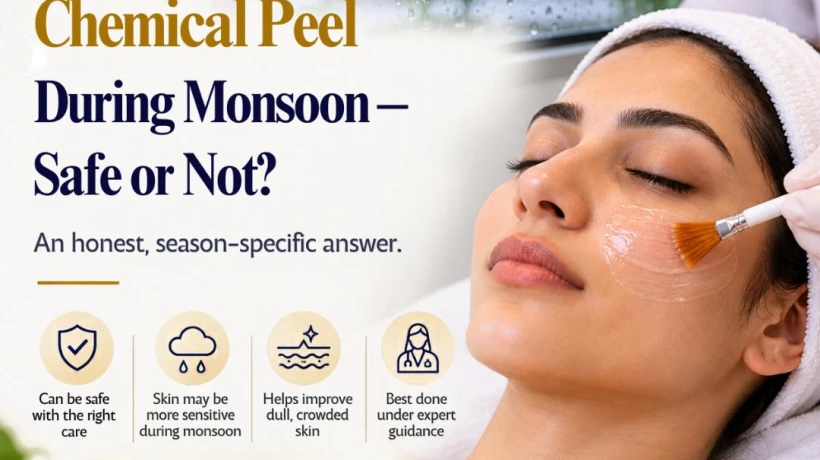
Is a chemical peel safe during Bangalore's monsoon? An honest look at how humidity, UV exposure, and rainy-season skin concerns affect recovery.
Bangalore's monsoon brings its own particular mix of humidity, sudden downpours, and that persistent damp feeling in the air, and it genuinely does change how skin behaves compared to the drier months. So if you're considering a chemical peel and wondering whether monsoon season is a good time or something to avoid, the question is worth taking seriously rather than dismissing.
This article looks at how humidity, reduced (but not absent) sun intensity, and general monsoon conditions actually affect chemical peel treatment and recovery, so you can make an informed decision about timing your Chemical Peel Treatment Bangalore appointment.
Chemical Peel Treatment Clinics Across Bangalore's Neighborhoods
Similar chemical peel treatment is also available across several areas of the city, including chemical peel treatment in Electronic City and chemical peel treatment in Bommasandra. Having options across these areas makes it easier to find a specialist nearby who can factor your local conditions into your treatment plan.
The Humidity Factor: A Genuine Mixed Bag
Why Humidity Can Actually Help Recovery
One thing monsoon season does have going for it is reduced skin dryness. Freshly peeled skin can feel tight, sensitive, and prone to excessive dryness during recovery, and Bangalore's increased humidity during monsoon can actually help keep skin more comfortably hydrated during this healing window compared to the drier months, potentially easing some of the tightness and flaking patients commonly experience.
Why Humidity Also Creates Some Risk
That said, increased humidity and moisture also create conditions where bacteria and fungi can thrive more easily, which matters because freshly peeled, compromised skin is more vulnerable to infection than intact skin. This doesn't mean monsoon treatment is unsafe, but it does mean hygiene and proper wound care during recovery deserve extra attention during this season.
Sun Exposure: Reduced, But Not Eliminated
A Common Misconception Worth Addressing
Many people assume that since the sun is less visible during monsoon, UV exposure risk drops to near zero. This isn't accurate. UV rays penetrate cloud cover more than most people realize, meaning meaningful UV exposure still occurs even on overcast, rainy days. Since post-peel sun protection is critical regardless of season, this misconception can actually lead to complacency about sunscreen use precisely when consistent protection still matters.
Why This Still Affects Your Monsoon Peel Plans
Given that freshly peeled skin is particularly UV-sensitive, continuing diligent sunscreen application throughout monsoon season remains just as important as during sunnier months, even if the temptation to skip it feels stronger on a cloudy day.
Increased Risk of Skin Infections and Irritation
Why This Matters More During Monsoon
Monsoon season in Bangalore often brings increased general skin concerns — fungal infections, increased acne flare-ups, and general skin sensitivity tend to rise during this period for many people, independent of any peel treatment. Layering a chemical peel on top of skin that's already dealing with monsoon-related sensitivity can sometimes complicate recovery or increase irritation risk.
What This Means Practically
If you're already noticing increased breakouts, fungal skin issues, or general sensitivity as monsoon sets in, it's worth mentioning this during your consultation, since your practitioner may want to address these existing concerns before proceeding with a peel, or adjust the peel type and strength accordingly.
Managing Peel Recovery During Rainy Weather
Keeping Treated Skin Dry and Protected
During recovery, especially in the first few days when skin is most vulnerable, minimizing prolonged exposure to rain and excessive moisture on the treated area becomes particularly relevant during monsoon season. This might mean being more mindful about umbrella use, avoiding situations where you're likely to get caught in sudden downpours, and gently patting (rather than rubbing) skin dry if it does get wet.
Why Gentle, Consistent Cleansing Matters More
Given the increased bacterial and fungal activity that comes with higher humidity, maintaining gentle but consistent cleansing during your recovery period helps reduce infection risk without over-stripping already-sensitive, healing skin.
Does Monsoon Affect How Well Results Turn Out
No Direct Evidence of Reduced Effectiveness
There's no strong evidence suggesting that chemical peels are inherently less effective when performed during monsoon season specifically. The peel's mechanism — exfoliating outer skin layers to reveal fresher skin beneath — works the same regardless of season. What changes is more about recovery conditions and necessary precautions, rather than the treatment's core effectiveness.
Where Seasonal Factors Can Indirectly Affect Outcomes
That said, if monsoon-related skin issues like increased breakouts or sensitivity aren't properly managed alongside your peel treatment, this could indirectly affect how smoothly your recovery goes and how satisfied you ultimately are with results, which is more about overall skin management than the peel treatment itself.
Is There a "Better" Season for Chemical Peels in Bangalore
Weighing the Trade-Offs
Each season carries its own considerations. Drier months may mean less humidity-related infection risk but potentially more dryness and tightness during recovery. Monsoon offers more comfortable hydration levels but requires extra attention to hygiene and avoiding excessive moisture exposure on healing skin. Neither season is definitively "better" across the board — it depends more on which trade-offs you're more comfortable managing.
What Actually Matters More Than Season
Rather than fixating heavily on season, factors like your practitioner's hygiene standards, your own diligence with aftercare instructions, and proper sun protection habits matter considerably more for your overall outcome than which month you happen to book your appointment.
Questions Worth Asking If You're Treating During Monsoon
• Given the current season, is there anything specific I should be extra careful about during recovery?
• Should I adjust my aftercare routine at all because of the increased humidity right now?
• Are there any monsoon-related skin concerns of mine you'd want to address before proceeding with the peel?
A practitioner who thoughtfully considers seasonal factors as part of your consultation, rather than applying an identical generic protocol regardless of timing, is generally providing more genuinely attentive care.
Final Thoughts
Chemical peel treatment remains genuinely safe during Bangalore's monsoon season, provided you and your practitioner account for the specific considerations this weather brings — slightly elevated infection risk from humidity, continued (if easily overlooked) UV exposure, and extra care around keeping treated skin dry during rainy conditions. Understanding these nuances helps you approach monsoon-season treatment with appropriate precautions rather than either unnecessary worry or overlooked risk.
If you're considering a chemical peel and want guidance specific to the current season, visiting Clariv Skin for a consultation is a good way to get advice genuinely tailored to Bangalore's current weather conditions.
Contact Details
Clariv Skin — Hair, Skin & Aesthetic Clinic
📞 Phone: +91 77600 56665
📧 Email: info@clarivskin.in
🌐 Website: www.clarivskin.in
Follow Us on Social Media
Facebook | Instagram | Pinterest | YouTube | X (Twitter)

Comments
Login to Comment