Can You Use a Professional Hair Dryer Every Day? What to Consider
07 Oct, 2026
6 Views 0 Like(s)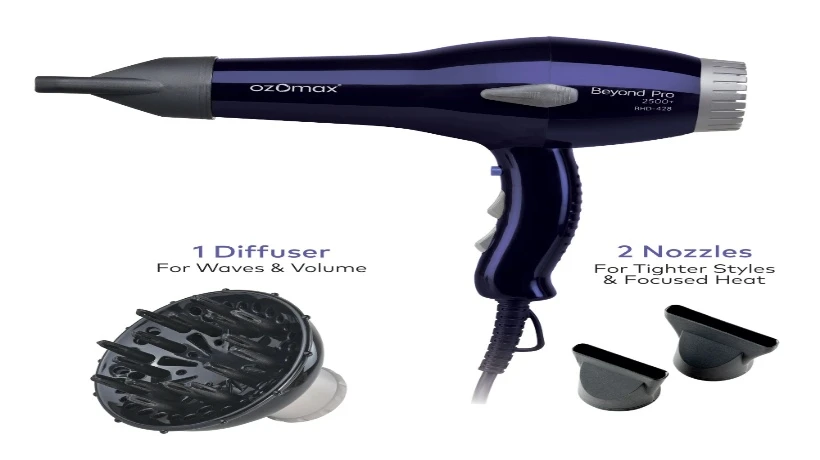
A Professional Hair Dryer may offer useful styling controls, but the word “professional” doesn’t make daily heat exposure harmless. Your technique matters just as much as the appliance.
Some mornings, letting your hair dry naturally just isn’t practical. You have somewhere to be, your roots are still damp, and stepping outside with wet hair doesn’t fit your plans. A hair dryer makes getting ready easier—but should you use one every day?
Daily blow-drying can increase the risk of heat damage, especially when you use high heat, hold the dryer too close, or keep heating hair that is already dry. Whether your routine works for your hair depends on its condition and how you use the tool.
A Professional Hair Dryer may offer useful styling controls, but the word “professional” doesn’t make daily heat exposure harmless. Your technique matters just as much as the appliance.
Here’s what to consider before making blow-drying a daily habit.
What Happens When You Blow-Dry Your Hair Every Day?
A hair dryer moves air over your hair to help moisture evaporate. Heat speeds up that process, but repeated exposure can also contribute to wear on the hair fibre.
Your hair’s outer protective layer, called the cuticle, helps its surface stay smooth. When that surface becomes damaged, your hair may feel rougher, tangle more easily, and become harder to style.
Damage Can Build Up Gradually
One blow-dry doesn’t tell you much about the long-term effect of your routine. Pay attention to changes over several weeks.
Possible signs of damage include:
- Ends that feel increasingly dry or rough.
- More tangles during gentle brushing.
- Short broken strands.
- Split or frayed ends.
- Hair that needs more styling to look smooth.
These changes can have several causes, including bleaching, chemical treatments, and rough handling. Still, daily heat is worth reviewing if your hair starts feeling less manageable.
Does a Professional Hair Dryer Make Daily Use Safer?
Useful controls can help you manage heat exposure, but they don’t remove the need for careful styling.
The most helpful features are those that let you adjust your routine to your hair. Separate heat and speed settings, for example, give you more flexibility than a single fixed setting.
Look Beyond Power and Marketing Claims
A high wattage number alone doesn’t tell you how gently a dryer will treat your hair. Consider whether you can comfortably use its controls and direct the airflow.
Features worth checking include:
- Multiple heat settings: So you can choose lower heat.
- Adjustable airflow: To control how forcefully the air moves.
- A cool-air option: For finishing without adding more heat.
- Suitable attachments: To help direct or distribute airflow.
- Comfortable handling: So you can keep the dryer moving easily.
The goal is controlled drying, rather than choosing the hottest setting to finish as quickly as possible.
Your Hair’s Condition Should Guide Your Routine
Two people can use the same dryer and have very different experiences. Hair that is already fragile may tolerate repeated styling poorly.
Fine, Bleached, or Chemically Treated Hair
Take extra care if your hair is fine, has been bleached, or receives chemical treatments. Existing damage can make additional heat and brushing more difficult for strands to withstand.
If your ends are breaking, continuing the same daily routine may make the problem harder to manage. Reducing heat exposure is a sensible first step.
Thick, Curly, or Coily Hair
Thick hair isn’t automatically protected from heat damage. Longer drying sessions can mean more exposure, particularly if you repeatedly focus on the same areas.
For curly or coily hair, consider whether your method also involves pulling with a brush. Heat and repeated tension are separate factors, and both deserve attention.
Work in manageable sections and choose a method that suits your natural texture and desired style.
How to Reduce Heat Exposure During Daily Blow-Drying
Small changes can make your routine more controlled. You don’t have to chase a perfect blowout every morning.
1. Remove Excess Water Gently
Before reaching for the dryer, gently squeeze or blot out excess water with a towel.
Avoid vigorous rubbing, which can create tangles and add friction. If your schedule allows, let some moisture dry naturally before you begin.
Your hair doesn’t need to be dripping wet when you switch the dryer on.
2. Start With Low or Medium Heat
The American Academy of Dermatology recommends limiting hot-tool use and choosing low or medium heat settings.
Begin with a lower setting instead of automatically selecting maximum heat. Adjust your approach if drying feels uncomfortable, and don’t keep directing hot air at one spot.
More heat isn’t always the answer when a section takes longer to dry. Check whether it is too large or whether your airflow is reaching it properly.
3. Keep the Dryer Moving
Move the dryer across sections rather than holding it still against your hair or scalp.
Follow the appliance’s instructions on positioning and distance. Avoid pressing the nozzle against your strands or brush.
A controlled movement helps you avoid concentrating heat on one small area for too long.
4. Use Heat Protectant as Directed
A product intended for heat styling can be part of your routine. Follow its instructions for application and the amount to use.
Heat protectant doesn’t give you unlimited protection. Pair it with lower heat and sensible drying time rather than treating it as permission to repeatedly overheat your hair.
5. Stop When Your Hair Is Dry
This sounds obvious, but it’s easy to keep going while trying to smooth one last section.
Once your hair is dry, additional hot airflow adds exposure without removing much remaining moisture. A cool-air finish may help you complete your styling, but it won’t reverse damage from earlier heat.
Consider Everything Else You Do After Drying
Your dryer may be only one part of your heat routine.
Do you blow-dry, straighten, and then use a curling tool around your face? Do you repeat those touch-ups the following morning?
Look at Your Whole Styling Routine
Before adding another tool, ask:
- Is my hair already styled well enough?
- Could I skip the straightener today?
- Does only one small area need attention?
- Am I reheating my ends out of habit?
Reducing unnecessary styling steps can be more practical than trying to perfect every detail.
Do You Need to Blow-Dry Your Entire Head Every Day?
Sometimes the answer is no. Your fringe may need reshaping while the rest of your hair still looks fine.
On other mornings, a gentle brush, a loose updo, or a change in parting may be enough.
Give Yourself More Styling Options
Try building a routine with a few alternatives:
- Wear your natural texture on some days.
- Refresh only the areas that need it.
- Choose comfortable styles that don’t pull tightly.
- Allow more drying time when your schedule permits.
Days without heat reduce further exposure. They don’t repair existing damage, but they can help you avoid repeatedly stressing the same strands.
What If Your Hair Already Feels Damaged?
If your hair is becoming brittle or breaking, reconsider daily blow-drying rather than simply buying more styling products.
Conditioner can improve softness and manageability, but a smoother feel doesn’t mean damaged hair has returned to its original condition. Worn or split ends may need trimming.
Also, remember that breakage and shedding are different. Breakage leaves shorter pieces where strands snap. Sudden heavy shedding, bald patches, or scalp symptoms deserve professional assessment rather than being automatically blamed on your dryer.
Frequently Asked Questions
Can You Use a Hair Dryer Every Day on a Cool Setting?
Cool air reduces heat exposure, but brushing tension and rough handling still matter. Keep your technique gentle and follow the dryer’s instructions.
Does Heat Protectant Prevent All Blow-Drying Damage?
No. It can support your styling routine, but it doesn’t replace temperature control, careful handling, or limiting unnecessary exposure.
Is Air-Drying Always the Better Choice?
Air-drying avoids added heat, but the rest of your routine still matters. Gentle detangling and avoiding aggressive towel rubbing remain useful whichever drying method you choose.
Should You Stop Daily Blow-Drying if Your Hair Feels Fine?
How your hair feels is useful feedback, but it isn’t a guarantee that repeated high heat is harmless. Keep the temperature controlled, stop when your hair is dry, and watch for changes over time.
You can make blow-drying part of a practical routine while being thoughtful about exposure. Start with lower heat, keep the dryer moving, and give your hair fewer styling steps whenever possible.



Comments
Login to Comment