Can FUE Hair Transplant Improve a Thinning Crown?
21 Sep, 2026
10 Views 0 Like(s)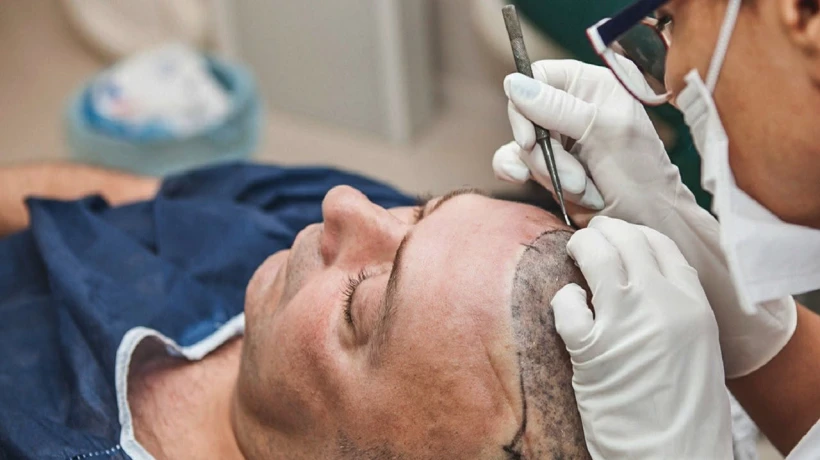
Restore natural-looking hair with FUE Hair Transplant Dubai at Dynamic Life Clinics. Get personalized hair restoration for thinning, receding, or bald areas.
A thinning crown can become increasingly noticeable as hair density decreases around the top and back of the scalp, often making the scalp more visible and changing the overall appearance of the hairstyle. Many individuals look for a lasting approach that can restore density while maintaining a natural-looking result. Dynamic Life Clinics provides aesthetic hair restoration options for people concerned about thinning areas, including FUE Hair Transplant Dubai, which is widely considered for improving crown coverage and creating a fuller-looking appearance through carefully placed hair follicles.
Understanding FUE Hair Transplant
FUE, or Follicular Unit Extraction, is a hair restoration technique that involves removing individual healthy hair follicles from a suitable donor area and placing them into areas affected by thinning or hair loss. Unlike approaches that remove a strip of scalp tissue, FUE collects follicles individually, allowing the treatment to focus on specific areas such as the crown. The transplanted follicles are positioned to complement the existing hair pattern, helping create a natural-looking transition between existing and restored hair.
Can FUE Hair Transplant Improve a Thinning Crown?
Yes, FUE Hair Transplant can improve the appearance of a thinning crown when suitable donor hair is available and the treatment plan is designed according to the individual’s pattern of hair loss. The crown can be challenging because hair naturally grows in a circular or whorled pattern, so follicle placement needs to follow the direction and angle of the existing hair. When appropriately planned, transplantation can increase visible density and reduce the appearance of exposed scalp, creating a fuller and more balanced crown.
How FUE Helps Restore Crown Density
A thinning crown often requires strategic distribution of transplanted follicles rather than simply adding hair to every visible area. FUE allows individual follicles to be placed precisely across areas where density has decreased. This approach can help fill spaces between existing hairs while maintaining a natural growth pattern. By working with the existing crown structure, the treatment can create better visual coverage and help the restored area blend with surrounding hair rather than appearing noticeably separate.
Creates a More Natural-Looking Crown Pattern
The appearance of the crown depends not only on the number of transplanted follicles but also on how they are positioned. Hair in this region typically follows a distinct whorl, making direction and placement particularly important. FUE allows follicles to be individually positioned according to the existing pattern. This can help create a smoother transition between transplanted and natural hair, contributing to a more cohesive appearance as the restored hair grows.
Improves the Appearance of Visible Scalp
When the crown becomes thin, light can pass through the hair more easily, making the scalp appear more visible. Increasing follicular coverage can reduce this contrast and make the crown look fuller. FUE focuses on adding healthy follicles to areas where density has decreased, helping create better coverage. For individuals exploring crown hair restoration, this can provide a targeted approach to improving the visual balance of the scalp while preserving the surrounding natural hair.
Benefits for a Thinning Crown
-
Adds hair density to areas affected by crown thinning.
-
Helps reduce the appearance of visible scalp.
-
Allows individual follicles to be placed strategically.
-
Supports a natural-looking crown growth pattern.
-
Helps create better balance between the crown and surrounding hair.
Supports Fuller-Looking Hair Coverage
One of the main goals of crown transplantation is to make the thinning area appear fuller rather than simply adding isolated hairs. FUE enables follicles to be distributed throughout the affected region according to the available donor supply and existing hair pattern. As the transplanted hair develops, it can provide additional coverage that makes the crown look denser. The overall effect depends on individual factors, but appropriate placement can significantly improve the visual appearance of a thinning crown.
Helps Blend With Existing Hair
A successful crown restoration should complement the hair that is already present rather than creating an obvious boundary between transplanted and natural areas. FUE can help achieve this by placing individual follicles between existing hairs and following the natural direction of growth. This gradual distribution helps the restored area blend with surrounding hair. The result can appear more cohesive as the transplanted follicles mature and contribute to overall hair coverage.
Long-Term Improvement in Crown Appearance
The benefits of FUE hair transplantation develop progressively as transplanted follicles establish themselves and begin contributing to hair growth. The improvement is intended to be long-lasting because the transplanted follicles are taken from a donor region that is generally more resistant to the pattern of hair loss. However, existing non-transplanted hair can continue to thin, so overall crown appearance may change over time depending on the individual’s natural hair-loss pattern and ongoing hair health.
Additional Crown Restoration Benefits
-
Helps improve the visual density of thinning areas.
-
Supports a more balanced appearance across the scalp.
-
Allows targeted treatment of the crown region.
-
Can complement existing natural hair growth.
-
Provides a gradual and natural-looking enhancement.
Factors That Influence Individual Results
The outcome of FUE for a thinning crown depends on several individual factors, including the extent of crown hair loss, donor hair availability, existing hair density, hair characteristics, and the natural progression of hair loss. The size of the thinning area can also influence how follicles are distributed. A personalized assessment is important because crown restoration requires careful consideration of available donor follicles and the desired level of coverage. Individual growth patterns can also affect how the final improvement appears over time.
FAQ’s
Can FUE hair transplant improve a thinning crown?
Yes, FUE can increase hair coverage in a thinning crown and reduce the appearance of visible scalp when suitable donor follicles are available.
Is FUE suitable for crown hair loss?
FUE can be used for crown restoration when an individual has adequate donor hair and is considered suitable following an assessment.
Can FUE make the crown look fuller?
Yes, strategically placed follicles can increase visible density and create a fuller-looking crown.
Does FUE create a natural-looking crown pattern?
Individual follicle placement allows the transplanted hair to follow the natural direction and whorl of the crown.
Will transplanted crown hair remain permanent?
Transplanted follicles are generally selected from areas more resistant to pattern hair loss, but the long-term appearance also depends on the progression of existing hair loss.
Conclusion
FUE Hair Transplant can be an effective hair restoration option for improving the appearance of a thinning crown by adding carefully positioned follicles and increasing visible hair coverage. The treatment can help reduce scalp visibility, enhance density, and create a more natural transition with existing hair when appropriately planned. FUE hair restoration for crown thinning can provide gradual improvement in overall scalp coverage, while individual factors such as donor availability, existing density, and hair-loss progression influence the final appearance.


Comments
Login to Comment