Can Facelifts Help Improve Loose Skin Under the Chin
15 Aug, 2026
650 Views 0 Like(s)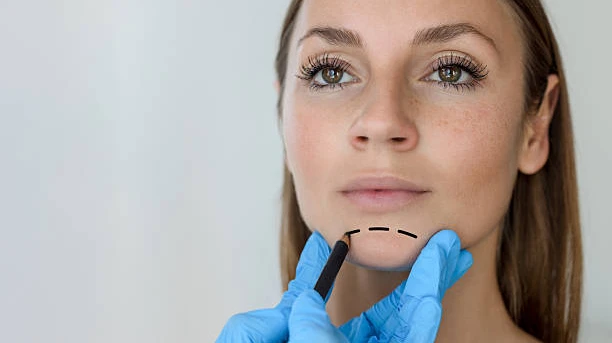
Facelifts can improve loose skin under the chin by tightening sagging tissues and creating a firmer, more defined jawline and neck contour.
Loose skin beneath the chin is a common concern associated with facial aging and can make the lower face appear less defined. As the skin gradually loses elasticity, facial tissues descend, and the supporting structures change, the area beneath the chin may develop visible laxity that affects the transition between the jawline and neck. For people considering Facelifts in Abu Dhabi, understanding whether a facelift can address this particular concern is important because the extent of improvement depends on the location and cause of the looseness. In suitable cases, facelift surgery can improve loose skin beneath the chin by repositioning facial tissues and redraping excess skin to create a smoother connection between the lower face and neck.
Why Loose Skin Develops Under the Chin
The area beneath the chin is influenced by several components, including the skin, connective tissues, muscles, fat distribution, and underlying facial and neck structures. With age, collagen and elastin levels gradually change, reducing the skin's ability to remain firm and closely fitted to the underlying tissues.
At the same time, facial tissues can descend and shift downward. This may contribute to jowls along the jawline and increased looseness extending toward the upper neck. Changes beneath the chin can therefore be part of a broader pattern of lower-face aging rather than an isolated skin concern.
Genetics, natural facial structure, and individual aging patterns can also influence how early or prominently loose skin appears beneath the chin. Understanding the underlying cause is essential when determining whether a facelift is an appropriate approach.
Can a Facelift Tighten Loose Skin Under the Chin?
A facelift can improve loose skin beneath the chin when the laxity is connected to lower-face and upper-neck tissue descent. Facelift surgery is primarily designed to rejuvenate the face by repositioning sagging tissues and managing excess skin.
When lower-face laxity extends toward the neck, lifting the facial tissues can improve the contour around the jawline and the area immediately beneath the chin. The skin is then redraped over the repositioned structures to create a smoother, more refined contour.
However, a facelift is not simply a procedure for removing skin. Modern techniques may address deeper facial tissues, including the SMAS, which can provide structural support for the lower face. By addressing the underlying descent rather than relying exclusively on surface tightening, the procedure can produce a more comprehensive improvement in facial contour.
When Loose Chin Skin Is Connected to Neck Laxity
Loose skin under the chin frequently overlaps with changes in the neck. If laxity continues downward from the jawline, treating the lower face alone may not fully address the appearance of the neck.
In such cases, facelift planning may include consideration of the neck region. Improving the relationship between the lower face, jawline, and upper neck can create a more continuous contour and make the area beneath the chin appear smoother.
The degree of neck improvement varies according to the amount of loose skin, the position of deeper tissues, and the individual's anatomy. A facelift may provide substantial improvement in the upper neck when facial and neck laxity are closely connected, while more extensive neck concerns may require a different or additional surgical approach.
What Happens to the Jawline When the Chin Area Is Improved?
The appearance of the area beneath the chin is closely linked to jawline definition. When loose tissues accumulate around the lower cheeks and jaw, they can obscure the natural mandibular contour. This can make the entire lower face appear heavier.
By repositioning descended facial tissues and managing excess skin, a facelift can reduce jowling and restore greater definition along the jawline. When the jawline becomes more clearly defined, the transition into the area beneath the chin may also appear cleaner.
This is why lower-face rejuvenation often considers the jawline and chin area together. Improving only a small patch of loose skin may not address the broader structural changes responsible for an aged lower-face appearance.
Can a Facelift Address Every Type of Loose Skin Under the Chin?
Not necessarily. Loose skin under the chin can have different causes, and a facelift is most appropriate when facial or neck tissue laxity is a major contributor.
Some people may have relatively little skin laxity but noticeable fullness beneath the chin. Others may have prominent neck muscle changes or structural characteristics that influence the contour. In these situations, removing or repositioning facial skin alone may not address the primary reason the area looks less defined.
A thorough assessment helps distinguish between loose skin, tissue descent, localized fullness, and other anatomical factors. This distinction is important because the ideal approach depends on what is actually producing the visible concern.
How Deep Facial Tissues Influence Chin Contour
The visible skin beneath the chin is supported by deeper anatomical structures. As facial aging progresses, changes in these supporting layers can contribute to tissue descent and altered contours.
Facelift techniques that address deeper layers may therefore have advantages over approaches that focus exclusively on the skin. The SMAS, for example, is a fibrous layer beneath the facial skin that plays an important role in supporting facial soft tissues.
Repositioning deeper tissues can help restore the relationship between the cheeks, jawline, and neck. The skin can then be redraped over the improved structural framework, rather than being used as the primary source of lifting.
What About Loose Skin in Younger Adults?
Loose skin beneath the chin is not exclusively an age-related concern. Genetics, facial structure, fluctuations in tissue volume, and individual skin characteristics can influence the appearance of the chin and neck at different stages of life.
For younger individuals, the important question is whether the concern is genuinely caused by skin laxity and whether surgical tissue repositioning is appropriate. A facelift is generally considered in the context of visible facial aging and tissue descent, so the cause of the concern matters more than age alone.
An individualized evaluation can help determine whether a facelift corresponds with the person's anatomical needs and aesthetic goals.
What Kind of Improvement Can You Expect?
When loose skin beneath the chin is primarily related to lower-face and upper-neck laxity, a facelift can create a smoother and more defined contour. The jawline may appear clearer, jowling can become less prominent, and the transition between the face and neck can look more refined.
The outcome depends on the degree of laxity, skin elasticity, facial anatomy, and the surgical technique selected. A facelift is intended to rejuvenate the existing facial structure rather than completely redesign it.
Realistic expectations are therefore important. The objective is usually a natural-looking improvement in contour and firmness rather than an entirely different facial appearance.
Why Personalized Treatment Planning Matters
Loose skin beneath the chin can look similar from the outside while having very different underlying causes. One person may have primarily skin laxity, while another may have a combination of lower-face descent, neck laxity, and changes beneath the chin.
For this reason, the face and neck should be evaluated as connected anatomical regions. Understanding how the skin, deeper tissues, jawline, and neck interact allows treatment planning to focus on the actual source of the concern.
A personalized approach also helps determine whether facelift surgery alone can provide the desired improvement or whether another form of treatment should be considered.
FAQs
Can a facelift remove loose skin beneath the chin?
A facelift can improve loose skin beneath the chin when the laxity is associated with lower-face and upper-neck aging. The procedure can reposition underlying tissues and redrape excess skin to improve the overall contour.
Does a facelift tighten the neck as well as the chin area?
It can improve the upper neck when neck laxity is connected to lower-face tissue descent. The extent of improvement depends on the individual's anatomy and the amount of laxity extending beneath the chin.
Will a facelift improve my jawline?
A facelift can reduce jowling and reposition descended tissues, which may restore greater definition to the jawline. This can also improve the transition between the jaw and the area beneath the chin.
Is loose skin under the chin always treated with a facelift?
No. The appropriate approach depends on what causes the looseness. Skin laxity, tissue descent, localized fullness, and structural characteristics can each contribute to the appearance of the area beneath the chin.
Can a facelift completely eliminate loose skin under the chin?
A facelift can significantly improve appropriate cases of chin and upper-neck laxity, but complete elimination cannot always be guaranteed. The final degree of improvement depends on skin elasticity, tissue characteristics, facial anatomy, and the extent of existing laxity.

Comments
Login to Comment