Can Electrolysis remove fine and light-colored hairs
27 Aug, 2026
509 Views 0 Like(s)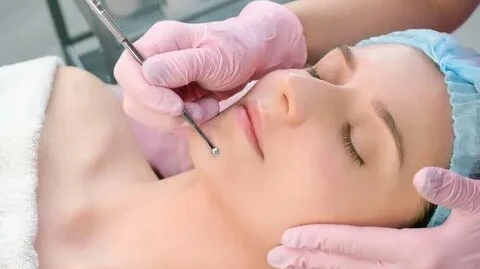
Electrolysis can effectively target fine and light-colored hairs, offering a precise hair removal solution regardless of hair or skin color.
Electrolysis is a well-established hair-removal method that works by targeting individual hair follicles rather than relying on hair pigment. For people dealing with very fine, blonde, white, gray, or otherwise light-colored hair, this can make electrolysis an especially interesting option. If you are exploring electrolysis abu dhabi, understanding how the treatment works with different hair types can help you determine why it is often considered suitable for hairs that may be difficult to target with pigment-dependent methods. Because electrolysis focuses on the follicle itself, hair color is not the primary factor determining whether a follicle can be treated.
How Does Electrolysis Work on Fine Hair?
Electrolysis involves directing a very fine probe into an individual hair follicle. Electrical energy is then used to target the follicle's growth-producing structures. Once the follicle has been appropriately treated, the hair can be removed.
Unlike techniques that depend heavily on the contrast between hair pigment and surrounding skin, electrolysis does not require dark hair to identify its target. The treatment is performed follicle by follicle, making the physical presence and accessibility of the hair more important than its color.
Fine hairs can therefore be addressed through electrolysis, although their small diameter can make precise follicle access particularly important.
Can Electrolysis Treat Blonde Hair?
Yes, electrolysis can treat blonde hair because its effectiveness does not depend on the hair containing a strong amount of pigment. Blonde hairs can contain varying levels of melanin, but even very light hairs can potentially be treated when the follicle can be properly accessed.
This is one of the key characteristics that distinguishes electrolysis from hair-removal technologies that rely on pigment absorption. When hair is extremely light, its appearance may make it difficult for some pigment-focused approaches to identify effectively. Electrolysis takes a different approach by targeting the individual follicle directly.
Can Electrolysis Remove White and Gray Hairs?
Electrolysis can also be used for white and gray hairs. These hairs contain little or no melanin compared with darker hair, but electrolysis does not need the hair shaft itself to provide the treatment target.
Instead, the process focuses on the follicle. This means that the absence of visible pigment does not automatically prevent a white or gray hair from being treated. For people who have noticed increasingly lighter hairs over time, electrolysis can therefore remain an option when hair color changes.
Why Is Fine Hair Sometimes More Challenging?
Although electrolysis can treat fine hair, very thin hairs may require particularly careful handling because the follicle and hair shaft are small. The probe needs to be accurately positioned within the follicle for the treatment to target the appropriate area.
The challenge is therefore not necessarily the hair's color. Instead, the fine structure of the hair can make precision important. Hair characteristics can vary considerably from one individual to another, so the treatment experience may differ depending on the area and type of hair being addressed.
Does Hair Color Matter During Electrolysis?
Hair color is generally much less important for electrolysis than it is for methods that rely on pigment. Dark, brown, blonde, red, gray, and white hairs can all potentially be treated because electrolysis is designed around the individual follicle.
This pigment-independent characteristic is one reason electrolysis is often considered when someone wants to address a mixture of hair colors. An area may contain both dark and very light hairs, and electrolysis can approach each visible follicle using the same fundamental treatment principle.
Can Very Fine Facial Hair Be Treated?
Fine facial hair can be treated with electrolysis when the individual follicles can be accessed appropriately. Facial areas often contain a mixture of hair textures, ranging from very fine hairs to thicker strands.
Because electrolysis treats follicles individually, it can be adapted to different hair structures. The number of hairs present and their characteristics can influence how the treatment progresses, but having fine facial hair does not automatically make someone unsuitable for electrolysis.
The gradual nature of follicle-by-follicle treatment also means that the process can focus on individual hairs rather than requiring an entire area to have the same hair thickness or color.
What Makes Electrolysis Different From Pigment-Based Hair Removal?
The major distinction is the target of the treatment. Pigment-dependent methods rely on characteristics within the hair that allow energy to interact with its color. Very light or pigment-free hair may therefore be difficult for such technologies to target.
Electrolysis takes a different route by treating the hair follicle directly. Since the treatment does not depend primarily on the hair shaft being dark, it can be considered for people with hair colors that are not easily targeted through pigment-based approaches.
This makes electrolysis particularly relevant for individuals whose unwanted hair is blonde, white, gray, or otherwise very light.
Does Fine Hair Require More Treatment Sessions?
The number of sessions varies from person to person and depends on factors such as the size of the treatment area, the number of follicles present, hair density, hair growth patterns, and the characteristics of the individual hairs.
Fine hair does not necessarily mean that a specific number of sessions will be required. Electrolysis works progressively because individual follicles grow according to different cycles. Some follicles may be visible and accessible during one appointment, while others may become noticeable later.
As a result, repeated sessions are commonly part of achieving comprehensive hair removal, regardless of whether the hair is fine or coarse.
What Should You Expect When Treating Light-Colored Hair?
The most important expectation is that treatment is gradual. Light-colored hair may remain visible between appointments as different follicles enter their active growth phase. This does not necessarily indicate that previously treated follicles have become active again.
Because electrolysis focuses on individual follicles, progress is usually measured over a series of treatments rather than by looking only at the results of one appointment. Over time, successive sessions can address additional follicles as they become accessible.
Is Electrolysis a Good Option for Light and Fine Hair?
For individuals whose unwanted hair is too light or fine for certain pigment-dependent approaches, electrolysis can be an attractive option. Its ability to target individual follicles without depending on strong hair pigmentation makes it suitable for a broad range of hair colors.
The key consideration is whether the individual follicle can be accurately accessed and treated. Hair texture, density, growth pattern, and treatment area can all influence the overall process.
Final Thoughts
So, can electrolysis remove fine and light-colored hairs? Yes, electrolysis can treat fine, blonde, gray, white, and other light-colored hairs because the method targets individual hair follicles rather than relying on hair color as its primary mechanism. This makes it a versatile option for people whose hair may not contain enough pigment for certain other approaches.
Fine hair may require careful follicle-level precision, while the overall treatment timeline varies according to individual hair growth and the size of the area being addressed. Understanding that electrolysis works independently of hair color can help explain why it remains a valuable option for unwanted light and fine hair.
FAQs
Can electrolysis remove blonde hair?
Yes. Electrolysis can treat blonde hair because it targets the individual follicle rather than depending on dark pigmentation in the hair.
Can white hair be treated with electrolysis?
Yes. White hair can be treated because electrolysis does not require the hair shaft to contain significant pigment for the follicle to be targeted.
Is electrolysis effective for very fine hair?
Electrolysis can treat very fine hair. Because fine hairs have smaller structures, accurate follicle access is particularly important during treatment.
Does hair color affect electrolysis results?
Hair color is generally not a determining factor for whether a follicle can be treated with electrolysis. The method is designed to target the follicle itself, allowing different hair colors to be addressed.
How long does it take to remove fine, light-colored hair?
The timeframe varies depending on the size of the area, the number and density of follicles, hair-growth patterns, and individual characteristics. Multiple sessions are commonly needed because follicles grow at different stages.
READ MORE : Does Electrolysis require multiple treatment sessions
Disclaimer: ThynkTales is a public blogging platform where content is contributed by individual users. While we encourage thoughtful and accurate sharing, we do not independently verify the information provided. Readers are advised to use their discretion and verify any information before relying on it.


Comments
Login to Comment