Can Abdominoplasty Tighten Loose Abdominal Muscles?
25 Sep, 2026
161 Views 0 Like(s)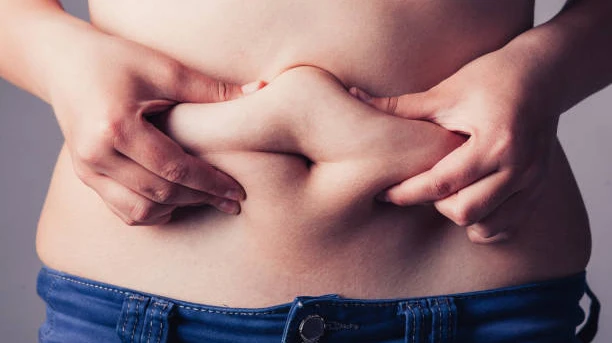
Abdominoplasty and tummy tuck surgery in Riyadh can help reshape the abdomen by removing excess skin and tightening abdominal muscles. Discover the procedure and what to expect.
Abdominoplasty, commonly known as a tummy tuck, is often associated with removing excess skin and improving the appearance of the abdomen. However, the procedure can also address certain concerns involving weakened or separated abdominal muscles. For people considering Abdominoplasty and tummy tuck surgery in Riyadh (عملية شد البطن في الرياض), understanding how muscle tightening works can help them know what the procedure may realistically achieve and whether it matches their goals.
What Happens to the Abdominal Muscles After Pregnancy or Weight Changes?
The abdominal wall can become stretched over time due to pregnancy, significant weight changes, aging, or other factors. In some people, the connective tissue between the abdominal muscles can also become weakened or separated, a condition commonly referred to as diastasis recti. This may contribute to a protruding or less defined abdominal appearance even when a person maintains a healthy lifestyle.
Muscle Separation and Abdominal Appearance
When the abdominal muscles move farther apart, the abdominal wall may lose some of its natural firmness. This can make the stomach appear rounded or relaxed. Abdominoplasty may be considered when this structural change occurs alongside excess skin or other abdominal contour concerns.
Can Abdominoplasty Tighten Loose Abdominal Muscles?
Yes, abdominoplasty can tighten and reposition certain abdominal muscles when muscle laxity or separation is present and the surgeon determines that repair is appropriate. During the procedure, the surgeon may bring separated abdominal muscles closer together and reinforce the abdominal wall using carefully placed sutures.
How Muscle Repair Works
Muscle tightening during a tummy tuck generally focuses on the underlying abdominal wall rather than simply removing surface fat. The surgeon assesses the abdominal tissues and determines where reinforcement is needed. Tightening the supporting tissues can create a firmer abdominal wall and contribute to a smoother overall contour.
Why Is Muscle Tightening Included in Some Tummy Tucks?
Not every person undergoing a tummy tuck requires abdominal muscle repair. The technique depends on the individual's anatomy, goals, skin condition, and the degree of abdominal wall laxity. When muscle separation is significant, addressing the underlying support can be an important part of improving abdominal contours.
Creating a Firmer Abdominal Profile
Repairing weakened or separated abdominal tissues may help create a flatter-looking abdomen by improving the structural support beneath the skin. This can complement the removal of excess skin and help produce a more proportionate contour.
Who May Benefit From Abdominal Muscle Repair?
People with abdominal muscle separation following pregnancy are among those who may be evaluated for muscle repair. Individuals who have experienced substantial weight changes may also have stretched abdominal tissues. However, candidacy cannot be determined from appearance alone.
Why Consultation Matters
A qualified plastic surgeon can examine the abdominal wall, assess skin and tissue quality, and discuss the patient's goals. This evaluation helps determine whether muscle repair is appropriate and whether abdominoplasty is suitable overall. For those researching Abdominoplasty and tummy tuck surgery in Riyadh, an individualized consultation is an important step before deciding on treatment.
Does Muscle Tightening Remove Abdominal Fat?
Abdominal muscle tightening and fat removal are different parts of body contouring. Tightening the abdominal wall addresses underlying tissue laxity, while liposuction may be used in selected cases to reduce localized fat deposits. Abdominoplasty itself primarily focuses on excess skin and abdominal contour, although techniques can sometimes be combined depending on the patient's needs.
Understanding the Difference
Someone can have a relatively small amount of excess fat but still have loose abdominal skin or separated muscles. Conversely, a person may have localized fat without significant muscle separation. Identifying the primary concern allows the surgeon to select the appropriate approach.
What Can You Expect After Muscle Tightening?
After abdominoplasty with abdominal wall repair, the treated tissues require time to heal. Patients may initially experience swelling, tightness, soreness, or restricted movement. These sensations generally change as recovery progresses.
Following Recovery Instructions
Protecting the repaired tissues during recovery is important. Patients are typically given specific instructions regarding movement, activity, wound care, and returning to exercise. Following these recommendations can support healing and help protect the surgical result.
Can Tightening the Muscles Improve Abdominal Contours?
When muscle separation or laxity contributes to abdominal protrusion, repairing the abdominal wall may improve the overall contour. The result depends on factors such as the individual's anatomy, the amount of excess skin, tissue quality, and the surgical technique used.
Realistic Results Are Important
Abdominoplasty is a body-contouring procedure rather than a substitute for weight management or physical conditioning. While muscle repair can improve abdominal firmness and contour, it does not guarantee a specific body shape. Maintaining a stable weight and following healthy lifestyle habits can help support long-term results.
Is Abdominoplasty Right for You?
Whether abdominoplasty should include muscle tightening depends on the condition of the abdominal wall and the individual's overall goals. A consultation can help distinguish between excess skin, localized fat, muscle separation, or a combination of these concerns. Understanding the specific cause of abdominal laxity makes it easier to develop an appropriate treatment plan.
Discuss Your Abdominal Concerns
If you are considering Abdominoplasty and tummy tuck surgery in Riyadh, discuss your expectations, previous pregnancies or weight changes, recovery considerations, and desired abdominal contour with a qualified surgeon. A personalized assessment can clarify whether abdominal muscle repair may be included in your procedure.
Book an Abdominoplasty Consultation at Royal Clinic Saudia
If loose abdominal muscles, separated abdominal tissues, or excess skin are affecting your abdominal contour, a professional consultation can help you understand your options. Royal Clinic Saudia (عيادات رويال كلينك) can assess your concerns and discuss whether abdominoplasty with abdominal muscle tightening may be appropriate for your goals.
FAQs:
Can a tummy tuck tighten separated abdominal muscles?
Yes. When abdominal muscle separation or laxity is present, a tummy tuck may include surgical repair that brings separated tissues closer together and strengthens the abdominal wall.
Does everyone getting a tummy tuck need muscle tightening?
No. Muscle repair is not necessary for every patient. The need depends on the individual's abdominal anatomy, tissue condition, and surgical goals.
Can muscle tightening make the stomach flatter?
It can improve abdominal firmness and contour when muscle separation or laxity contributes to a protruding appearance. Results vary depending on individual anatomy and other factors.
How long does abdominal muscle repair take to heal?
Healing occurs gradually. The initial recovery period may involve tightness and discomfort, while deeper tissues can continue healing for several weeks or longer. Your surgeon will provide individualized activity and recovery instructions.



Comments
Login to Comment