Best Organic Food Online Pakistan: A Complete Buying Guide
29 Jul, 2026
831 Views 0 Like(s)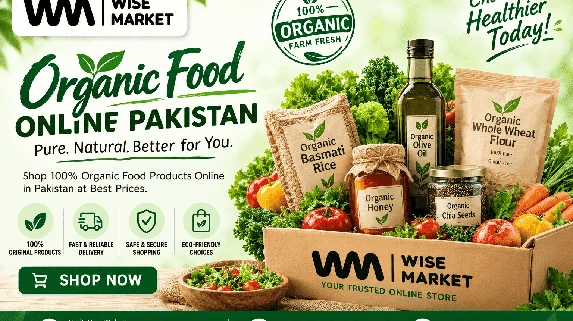
Buy the best organic food online Pakistan with confidence. Discover fresh, chemical-free groceries, healthy products, and trusted shopping tips in this complete buying guide.
Buying organic food used to mean visiting a specialised store, checking several labels, and paying whatever price was written on the shelf. Things have changed. Today, people can explore organic flour, honey, pulses, spices, seeds, oils, and other everyday items without leaving home. The real challenge is no longer finding these products; it is knowing which ones are genuinely worth buying.
Not every product described as natural is certified organic, and attractive packaging does not always guarantee better quality. Some sellers use words such as pure, farm-fresh, chemical-free, and homemade without explaining how the food was grown or processed. This can make the buying process confusing, particularly for someone ordering organic groceries for the first time.
A reliable online store should provide clear product information, ingredient details, packaging dates, storage instructions, and a reasonable return policy. When searching for Organic Food Online Pakistan, shoppers should pay attention to freshness and authenticity instead of choosing an item only because it looks premium.
What Does Organic Food Actually Mean?
Organic food is generally produced through farming methods that limit the use of synthetic pesticides, chemical fertilisers, artificial growth promoters, and genetically modified ingredients. Organic farming also focuses on healthier soil, responsible water use, crop rotation, and more natural methods of pest control.
The word “organic,” however, is sometimes used loosely in Pakistan. A product may come from a small farm and still not follow recognised organic farming practices. Similarly, homemade food is not automatically organic. The ingredients and production process matter more than the size of the business making it.
This does not mean that every trustworthy product must carry an international certification mark. Certification can increase confidence, but small local farms may follow responsible practices without having the resources to complete an expensive certification process. In such cases, buyers should look for transparency about sourcing, cultivation, processing, and testing.
Why Are More Pakistanis Buying Organic Food?
Interest in clean and minimally processed food has increased in cities such as Karachi, Lahore, Islamabad, Rawalpindi, Faisalabad, and Multan. Many households are becoming more careful about ingredient lists and the amount of processing involved in everyday groceries.
Convenience is another important reason. A person may want stone-ground whole wheat flour, cold-pressed mustard oil, raw honey, or pesticide-conscious vegetables but may not find them in a nearby supermarket. Online shopping provides access to regional farms and specialist sellers that would otherwise be difficult to reach.
People also appreciate the ability to compare products before purchasing. Instead of relying entirely on a shopkeeper’s recommendation, an online buyer can read descriptions, examine packaging photographs, compare quantities, and study customer feedback.
Popular Organic Products Available Online
Organic Flour and Grains
Whole wheat flour, millet flour, barley flour, brown rice, oats, and other grains are among the most commonly purchased organic grocery items. These products are used regularly, so even a small improvement in freshness or processing can make a noticeable difference in taste.
When buying flour online, check whether it is stone-ground, whole-grain, sifted, or blended. Fresh flour normally has a mild, grain-like aroma. It should not smell damp, sour, or stale. During warmer months, ordering smaller packs can help prevent insects and moisture damage.
Raw and Natural Honey
Honey is popular, but it is also one of the products that buyers find difficult to judge. Colour alone does not establish purity because honey naturally varies according to the flowers, region, and harvest season. Sidr honey, acacia honey, wildflower honey, and mountain honey can all have different colours and textures.
Crystallisation is not necessarily a sign of poor quality. Pure honey can crystallise over time, especially during cooler weather. A trustworthy seller should explain the source of the honey, whether it has been heated, and if anything has been added.
Pulses, Lentils, and Beans
Organic lentils, chickpeas, black gram, kidney beans, and mung beans are useful pantry staples. They have a longer storage life than many fresh products, making them a practical starting point for first-time organic buyers.
Inspect the pack for dust, broken pieces, insects, and excess moisture. The grains should look reasonably consistent, although naturally grown produce may have slight differences in size or colour. Wash and sort pulses before cooking, even when the packaging says they are cleaned.
Cold-Pressed Cooking Oils
Cold-pressed mustard, sesame, coconut, olive, and sunflower oils are often chosen by people looking for less-refined options. The extraction method matters because excessive heat and chemical processing can affect an oil’s flavour and natural characteristics.
Do not assume that one oil is suitable for every recipe. Some oils work well for light cooking, while others are better for dressings or traditional dishes. Read the seller’s usage and storage instructions, and keep the bottle away from direct sunlight and heat.
Spices, Seeds, and Dry Fruits
Turmeric, cinnamon, cumin, black pepper, chia seeds, flaxseeds, almonds, walnuts, and dates are easy to order online. Since these foods are generally used in smaller quantities, shoppers can try organic options without replacing the entire kitchen pantry at once.
Ground spices lose their aroma faster than whole spices. Buying small packs is usually more sensible, particularly if the household does not use them daily. Seeds and nuts should be stored in airtight containers because heat and humidity can make their natural oils turn rancid.
Organic Food Comparison Table
|
Product category |
What to check before buying |
Useful packaging choice |
Common warning sign |
|
Flour and grains |
Milling method, grain source and packing date |
Sealed, moisture-resistant pack |
Damp smell or visible insects |
|
Honey |
Floral source, harvest area and heating method |
Food-grade glass or secure plastic jar |
Added syrup or unclear sourcing |
|
Pulses and beans |
Cleanliness, crop origin and packing date |
Transparent, tightly sealed pouch |
Dust, insects or excessive breakage |
|
Cooking oils |
Extraction method, ingredients and bottle type |
Dark or opaque leak-proof bottle |
Rancid smell or missing details |
|
Spices |
Purity, grinding date and ingredient list |
Small airtight pouch or jar |
Artificial colour or weak aroma |
|
Seeds and nuts |
Freshness, origin and storage guidance |
Resealable moisture-proof pack |
Bitter taste or oily stale smell |
How to Identify Genuine Organic Food Online
Read Beyond the Product Name
A convincing name is not evidence of quality. Open the complete description and look for information about the farm, growing region, ingredients, production method, and packaging. If the listing repeatedly says “100% pure” but provides no supporting details, treat the claim carefully.
For packaged food, the ingredient list should be easy to understand. Organic peanut butter, for example, may contain only peanuts or a small amount of salt. If it contains several oils, artificial flavours, colours, and sweeteners, the word organic on the front does not tell the whole story.
Check Certification and Traceability
Recognised certification can provide additional assurance because it normally requires the producer to meet specific standards. Buyers should still inspect whether the certification information appears complete and relevant to that particular product.
When formal certification is unavailable, traceability becomes especially important. A good seller may identify the farm, region, harvest period, or production batch. This information shows that the business understands its supply chain and is prepared to answer questions about it.
Study Recent Customer Reviews
Customer feedback can reveal details that a product description may leave out. Reviews often mention packaging condition, delivery time, taste, freshness, and whether the received product matched the photographs.
Focus on recent and detailed reviews instead of relying only on the overall star rating. A short comment such as “good product” offers little evidence. A review explaining that the flour arrived freshly packed or that an oil bottle leaked during delivery is far more useful.
Review the Seller’s Policies
Food can be damaged by heat, moisture, poor sealing, or careless handling. Before placing a large order, read the delivery, exchange, and complaint policies. Check what happens if an item arrives open, expired, contaminated, or different from the listing.
A responsive seller should provide a practical way to report problems. Clear contact details and transparent policies are encouraging signs, especially when ordering perishable or temperature-sensitive food.
Natural, Organic, and Chemical-Free Are Not the Same
These terms are often placed together, but they do not necessarily mean the same thing. Natural generally suggests that a product contains ingredients obtained from natural sources, although it may still be processed. Chemical-free is a broad marketing expression and can be difficult to prove without further explanation.
Organic refers more specifically to the way agricultural ingredients are grown and handled. A natural fruit spread, for example, may contain ordinary farmed fruit. An organic fruit spread should use fruit produced according to organic standards, although it may still contain added sugar.
Understanding this difference protects buyers from paying a premium merely for fashionable wording. The complete label and production information are more valuable than a single claim printed in large letters.
How to Make Your First Organic Order
Begin with products your household already uses. Replacing familiar staples makes it easier to compare taste, freshness, cooking performance, and value. Flour, lentils, honey, spices, and seeds are sensible starting choices because they are easy to store and do not spoil immediately.
Place a small trial order before buying in bulk. Once it arrives, inspect the seal, manufacturing or packing date, expiry information, texture, smell, and overall condition. Use the product in a normal recipe rather than changing several ingredients at the same time. This gives you a fairer comparison.
Keep the invoice and take photographs if the package arrives damaged. Contact the seller promptly because food-related complaints are easier to resolve when reported immediately.
Storage Tips for Pakistan’s Climate
Pakistan’s hot and humid weather can shorten the usable life of food, particularly during summer and the monsoon season. Organic products may also contain fewer preservatives, so correct storage becomes even more important.
Transfer flour, pulses, spices, and seeds to clean, dry, airtight containers after opening. Store cooking oils in a dark cabinet away from the stove. Nuts can be refrigerated during very warm weather, while honey should usually remain tightly closed at room temperature unless its label says otherwise.
Avoid mixing a new batch with an old one. Wash and dry the container first because leftover moisture or food particles can affect the fresh product. Writing the opening date on the container is also helpful.
Is Organic Food Worth the Cost?
Organic groceries can cost more because farming, certification, small-batch processing, careful packaging, and limited distribution add to production expenses. The difference does not automatically mean every organic item offers better value.
Choose products according to your household’s needs. Someone who uses turmeric daily may prioritise a trustworthy organic spice, while another family may prefer to spend more on flour or cooking oil. There is no need to change the entire grocery list in one order.
Value should be judged through freshness, transparency, ingredient quality, quantity, and actual household use. An expensive product that sits unused in a cupboard is not a sensible purchase, no matter how impressive its label appears.
Conclusion
Buying organic food online becomes easier when you focus on sourcing, ingredients, freshness, packaging, and seller credibility. Start with a few everyday products, compare them carefully, and increase your order only when the quality feels consistent. Wise Market Pakistan is one option worth exploring when comparing organic groceries and other household products online.
Frequently Asked Questions
Q: Is all natural food considered organic?
A: No. Natural food may contain ingredients from natural sources, but those ingredients are not necessarily grown according to organic farming standards. Always check the product details rather than treating the two terms as interchangeable.
Q:How can I check whether organic food is genuine?
A: Look for reliable certification, traceable sourcing, a complete ingredient list, proper labelling, recent customer feedback, and clear information about farming or processing methods. No single sign should be used alone.
Q:Which organic products are best for first-time buyers?
A: Flour, lentils, honey, whole spices, seeds, and cold-pressed oils are practical choices. They are commonly used, relatively easy to store, and simple to compare with regular grocery products.
Q:Does organic food have a shorter shelf life?
A: Some organic and minimally processed foods may have a shorter shelf life because they contain fewer preservatives. However, the actual storage period depends on the product, processing method, packaging, and storage conditions.
Q:Can organic food be ordered across Pakistan?
A: Many online sellers deliver to major cities and smaller locations, but availability varies. Before ordering, confirm the delivery area, expected transit time, packaging method, and policy for damaged or spoiled food.

Comments
Login to Comment