Benefits of Using a Disposable Hair Net in Various Settings
01 Apr, 2026
3354 Views 0 Like(s)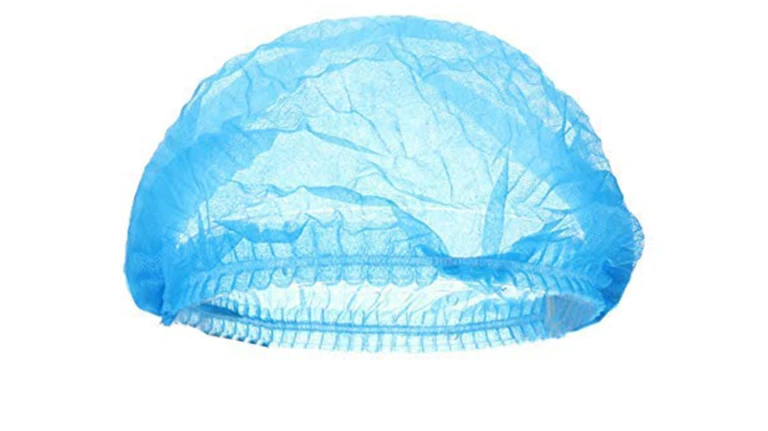
Explore the advantages of a disposable hair net for hygiene, safety, and compliance in food, healthcare, and industrial environments.
Benefits of Using a Disposable Hair Net in Various Settings
Single-use hair nets are disposable coverings designed to maintain hygiene and minimise contamination risks in various settings. Widely employed in environments where cleanliness is essential, they provide a practical solution for keeping hair contained and preventing it from interfering with processes or products. These lightweight nets are designed to be used once and then discarded, ensuring a high standard of hygiene with every application. Their importance spans industries such as healthcare, food preparation, laboratories, and personal care, where maintaining sanitary conditions is critical. Single-use hair nets are valued for their convenience and adaptability, offering an efficient way to uphold hygiene protocols in demanding environments. By catering to the diverse requirements of different industries, this disposable hair net serves as a reliable and indispensable tool in promoting cleanliness and reducing the risk of contamination.
History and Evolution
The development of hair nets has spanned centuries, with their initial use focusing on securing hair for practical and aesthetic purposes. Over time, advancements in materials and manufacturing have transformed traditional hair nets into single-use versions designed for specific hygiene needs. This shift was driven by the growing importance of cleanliness in professional settings, leading to the creation of disposable options suited to modern requirements.
The widespread adoption of single-use hair nets reflects societal and industrial progress, where convenience and hygiene are prioritised. Their evolution has paralleled innovations in disposable materials, allowing for increased efficiency and reliability in various fields. These changes have enabled single-use hair nets to become a standard across industries requiring high levels of sanitation, demonstrating the adaptability of this product to meet diverse and evolving demands.
Manufacturing Materials
Single-use hair nets are crafted using a variety of materials, each chosen for its unique properties to suit specific applications. Common materials include lightweight nylon, durable polyester, and cost-effective non-woven fabrics. Nylon is valued for its elasticity and ability to provide a secure fit, making it suitable for environments requiring precision.
Polyester offers a balance of strength and breathability, ensuring comfort during extended use. Non-woven fabrics, widely used for their affordability and disposable nature, are particularly effective in settings where hygiene is a priority. These materials undergo stringent selection processes to ensure that the final product meets hygiene standards while maintaining comfort and practicality. The choice of material often depends on the intended use and industry requirements.
Usage in the Food Industry
Single-use hair nets serve a pivotal function in food production by preventing hair from coming into contact with food items during processing. This measure is essential for maintaining stringent hygiene standards and reducing the likelihood of contamination. Regulations within the food industry frequently mandate the use of such hair coverings to ensure compliance with health and safety protocols.
These nets are designed to cover the entire head, effectively containing hair and minimising the risk of loose strands affecting the quality or safety of food products. Their lightweight design ensures comfort for extended periods of use, making them a practical choice for workers in kitchens, factories, and other food-handling environments where cleanliness is a top priority.
Role in Healthcare
Single-use hair nets play a critical role in maintaining sterile conditions within healthcare environments, particularly during medical procedures and in areas requiring stringent hygiene practices. They are designed to completely cover hair, minimising the risk of hair-related contamination that could compromise patient safety or interfere with medical activities. These disposable coverings are frequently incorporated into infection control measures, ensuring compliance with healthcare protocols.
Their lightweight and breathable design allows for extended use without discomfort, supporting staff performance in demanding settings. By helping to uphold cleanliness standards, single-use hair nets contribute significantly to the prevention of infections, underscoring their importance in maintaining the integrity of healthcare operations across a variety of scenarios.
Application in Laboratories
In laboratory environments, single-use hair nets are a crucial element in upholding hygiene standards and preventing contamination. These disposable coverings effectively contain hair, reducing the risk of interference with delicate instruments or samples. Their design prioritises comfort and practicality, enabling workers to focus on tasks without compromising precision or cleanliness.
Single-use hair nets are particularly valuable in controlled settings where even minor contaminants could affect the reliability of experiments or results. Their use ensures compliance with safety and cleanliness protocols, which are vital for maintaining the integrity of laboratory procedures. By addressing the specific needs of laboratory work, these hair nets support the accurate and efficient functioning of scientific research and testing activities.
Environmental Impact of Disposable Hair Net
The environmental considerations surrounding single-use hair nets have become a topic of interest, particularly due to their disposable nature, contributing to waste. Efforts within the industry are focusing on adopting more sustainable practices, including the use of biodegradable materials and environmentally friendly production processes. These developments aim to mitigate the ecological footprint of disposable hair net while retaining their functionality and hygienic benefits.
Manufacturers are increasingly exploring innovative solutions to address environmental concerns, such as utilising recycled materials and improving waste management strategies. By incorporating such advancements, the sector demonstrates an awareness of sustainability goals, aiming to balance hygiene needs with the growing demand for environmentally responsible practices.
Single-Use versus Reusable
The distinction between single-use and reusable hair nets centres around their suitability for different environments and requirements. Single-use hair nets are designed for immediate disposal after one use, providing a highly sanitary solution for industries prioritising hygiene. Their disposable nature eliminates the need for cleaning, reducing time and effort for maintenance. Reusable hair nets, by contrast, are constructed to withstand repeated use, requiring regular washing to maintain hygiene standards.
They may offer long-term cost benefits in settings where environmental considerations are prioritised, provided adequate cleaning procedures are followed. The specific demands of the industry influence the choice between these options, balancing factors such as convenience, cost-effectiveness, and adherence to strict cleanliness protocols.
Production Processes
The production of single-use hair nets involves precision processes designed to meet high hygiene and quality standards. Materials such as nylon, polyester, or non-woven fabrics are carefully selected and undergo cutting and shaping to form the desired net structure. Advanced machinery is often utilised to ensure consistent dimensions and secure edges, preventing fraying or structural weaknesses. During manufacturing, strict quality control measures are implemented at each stage, from material preparation to final packaging, to maintain compliance with safety protocols.
Automated systems frequently streamline the assembly process, improving efficiency while reducing the potential for human error. These meticulous production methods contribute to the reliability and practicality of single-use hair nets across a range of professional applications.
Cost Factors
The pricing of single-use hair nets is influenced by multiple variables, including the type of material utilised, manufacturing techniques employed, and the scale of procurement. Advanced production methods or the use of specialised materials can contribute to higher costs, while simpler designs and materials may result in more affordable options. Purchasing in bulk often provides significant cost savings, making it an attractive option for industries with high demand.
Additionally, logistical factors such as packaging and distribution can impact the overall price. While single-use hair nets may initially appear costlier than reusable alternatives, their convenience and the elimination of cleaning expenses provide economic advantages in environments where maintaining stringent hygiene standards is a primary concern.
Storage and Handling
Proper care during storage and handling ensures that single-use hair nets maintain their hygiene and functionality. They should be stored in an area free from moisture, dust, or direct sunlight to prevent potential degradation. Handling practices should prioritise cleanliness, ensuring the exterior remains uncontaminated before use. Hair nets are typically packaged to maintain their sanitary condition, and these protective measures should remain intact until the moment of application. Any damaged or exposed packaging should be avoided to uphold hygiene standards.
By maintaining an organised storage system and following appropriate handling procedures, the risk of contamination or reduced performance can be minimised, allowing single-use hair nets to serve their intended purpose across various professional settings effectively.
Trends in Hair Net Design
Advancements in hair net design increasingly focus on combining practicality with enhanced comfort and usability. Recent innovations include the incorporation of finer, lightweight materials that improve breathability and reduce discomfort during prolonged wear. Designs have also shifted towards more adaptive fits, accommodating diverse head sizes and hair types for improved effectiveness.
Another area of progress involves the integration of eco-conscious materials, addressing environmental concerns without compromising hygiene standards. These developments aim to balance functionality and user satisfaction, ensuring that single-use hair nets remain suitable for a wide range of professional and personal applications in increasingly varied and demanding settings.
Role in Personal Care
Single-use hair nets are utilised in personal care settings to maintain hygiene and ensure effective hair management during treatments or procedures. These disposable coverings are particularly suited to scenarios such as hair colouring, spa treatments, or facials, where securing hair away from the face is essential.
Their lightweight and breathable design enhances comfort, while the single-use nature eliminates the risk of cross-contamination between clients. By facilitating a clean and organised environment, these hair nets support high standards of sanitation in professional and personal care practices, making them an integral accessory in beauty and grooming activities.
Conclusion
The implementation of disposable hair net across various Australian industries is a fundamental component of modern hygiene and safety management. By providing a lightweight, breathable, and secure barrier, these disposable coverings effectively eliminate the risk of physical contamination in food production, healthcare, and laboratory settings. Their one-time application ensures that every task begins with a fresh, sanitary product, removing the logistical and hygienic burdens associated with laundering reusable alternatives. As manufacturing continues to evolve with eco-friendly materials, the single-use hair net remains an essential, cost-effective tool for upholding the stringent cleanliness standards expected by Australian consumers and regulatory bodies.
Frequently Asked Questions
What is the main advantage of using nylon over non-woven fabric for hair nets?
Nylon hair nets are primarily chosen for their superior elasticity and "honeycomb" mesh design, which allows for a very discreet and secure fit. This makes them ideal for Australian hospitality environments where a professional appearance is important, as they are almost invisible when worn. Non-woven fabric hair nets, often referred to as "bouffant caps," are typically more opaque and provide total coverage. While nylon is excellent for hair containment with high breathability, non-woven fabrics are often preferred in clinical or high-care food zones where a more robust barrier against fine hair particles and skin dander is required.
How do single-use hair nets contribute to food safety standards in Australia?
In the Australian food industry, physical contamination from human hair is one of the most common consumer complaints and a significant hygiene risk. Hair can carry bacteria such as Staphylococcus aureus, which can be transferred to food products if left uncovered. Single-use hair nets act as a preventative barrier, ensuring that no stray strands or associated pathogens enter the production line. By using a fresh net for every shift, workers adhere to the Food Standards Code, which mandates that food handlers take all practicable measures to prevent anything from their body contaminating food or surfaces.
Are disposable hair nets comfortable to wear for an entire eight-hour shift?
Modern disposable hair nets are specifically engineered for long-term comfort in the workplace. Manufacturers utilise lightweight, breathable materials like soft polyester or thermally bonded non-woven fibres that allow heat to escape from the scalp, preventing perspiration and itching. Most designs feature a soft, latex-free elastic band that secures the net without applying excessive pressure to the forehead or ears. This ergonomic focus ensures that Australian workers in hospitals, factories, and kitchens can maintain high hygiene standards without experiencing the "headache" or discomfort often associated with older, tighter garment designs.
What is the best way to dispose of hair nets to minimise environmental impact?
While most traditional hair nets are made from synthetic polymers that are not readily biodegradable, the best practice in Australia is to dispose of them in the general waste stream to ensure they are contained within a landfill. You should never flush them down the toilet or leave them in areas where they could enter waterways, as the fine mesh can pose a threat to marine life. For businesses looking to be more sustainable, there are emerging Australian recycling programmes for soft plastics and non-woven polypropylene that can repurpose clean, industrial hair nets into new plastic products like outdoor furniture or bollards.
Can I wear a hair net over a ponytail or long hair effectively?
Yes, single-use hair nets are designed to be highly adaptive to various hair lengths and styles. For those with long hair or ponytails, it is best to use a "bouffant" style net, which has a larger diameter and extra volume to accommodate bulkier hair. To ensure maximum protection, all hair should be tucked completely inside the elasticated edge, including wispy hairs around the nape of the neck and ears. In high-risk Australian environments, such as surgical theatres or sterile pharmaceutical packing rooms, ensuring 100 per cent hair containment is vital for maintaining the integrity of the sterile field.
|
Related Business Listings |


Comments
Login to Comment