Are Keen Sandals Good for Hiking and Outdoor Adventures?
24 Jun, 2026
1242 Views 0 Like(s)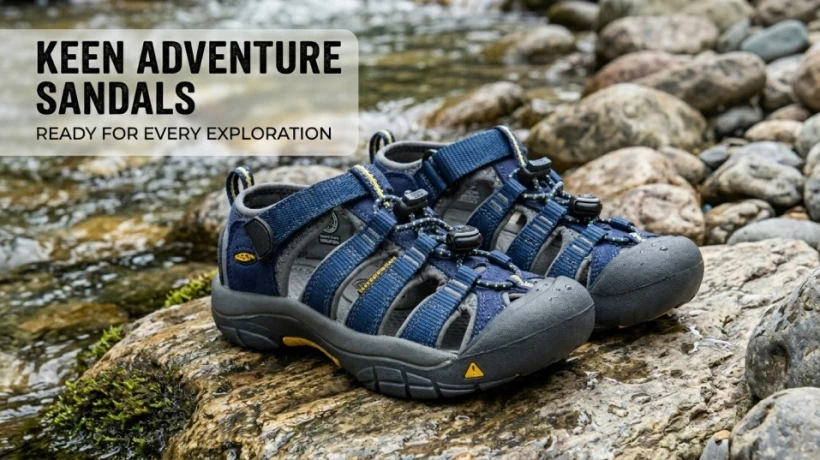
Keen sandals are a popular choice for hiking and outdoor adventures thanks to their durable construction, excellent traction, and all-day comfort. Many hikers appreciate their protective toe design, breathable materials, and reliable grip on trails, rivers, and uneven terrain. While they may not replace heavy-duty hiking boots for rugged mountain treks, Keen sandals are ideal for light to moderate hikes, camping trips, water activities, and everyday outdoor exploration.
If you've ever looked at a pair of Keen sandals and wondered whether they're actually built for serious trail use or just for walking around a campsite, you're not alone. It's a fair question. Sandals and hiking don't always seem like a natural pairing, but Keen has spent years making a case for why they can be, and for a lot of hikers, that case holds up.
What Makes Keen Sandals Stand Out
Keen built its reputation on a design philosophy that most sandal brands don't bother with: protection first. The closed-toe bumper that shows up across nearly every Keen sandal model isn't an aesthetic choice. It's a functional one.
On uneven terrain, exposed toes take hits from rocks, roots, and trail debris constantly. That rubber toe cap absorbs impact without adding the weight or heat retention of a full shoe. It sounds like a small detail until you stub a toe on a root at mile four and realize how much you appreciate it.
Now, let’s take a look at the features that set keen sandals apart:
Supportive Footbed: The footbed is another area where Keen separates itself from the competition. Most outdoor sandals give you a flat, generic midsole and call it a day. Keen builds contoured arch support directly into the footbed, which makes a noticeable difference over long distances. Flat footbeds work fine for an hour of easy walking. They become a problem on a six-hour day hike where your arches are doing sustained work across uneven ground with no break in between.
Outsole Grip: It’s taken seriously across the Keen lineup. The brand uses multi-directional lug patterns on most of its hiking-oriented sandals, which handle wet rock, packed dirt, and loose gravel better than the smoother soles you find on casual outdoor footwear. The rubber compound itself is designed to stay grippy when wet, which matters most on creek crossings, after rainfall, and on any surface where a slip has real consequences.
Straps: The strapping system deserves its own mention. Most models use a combination of hook-and-loop and bungee-style adjustment that lets you dial in fit quickly without stopping to unlace anything. The straps are wide enough to distribute pressure evenly across the foot, which prevents the hot spots and strap dig that show up on cheaper sandals after a few miles of real walking. On longer hikes, that difference in comfort becomes significant.
Waterproof Construction: Water resistance and drainage are built into the design rather than added as an afterthought. Keen uses quick-dry webbing on most models and positions drainage ports so water clears the footbed fast after submersion. For any hike that involves water crossings or wet conditions, this is a practical advantage over hiking boots that stay wet for hours once fully soaked through.
Sturdy for Long Term: Durability holds up well over time. The stitching on Keen sandals is reinforced at stress points, and the midsole compound retains cushioning longer than budget alternatives. People who put genuine trail miles on their pairs consistently report that the outsoles wear evenly rather than breaking down at the heel or ball of the foot first. That matters when you're looking at footwear as an investment rather than a seasonal purchase.
So, Are Keen Sandals Actually Good for Hiking?
Yes, but the honest answer depends entirely on where you're hiking.
On moderate trails, creek walks, canyon routes, and mixed-surface day hikes in warm weather, they hold up well. The toe protection, grip, and drainage aren't marketing languages. They're doing real work on the trail.
That said, Keen sandals have a clear ceiling:
-
Loose scree and steep descents expose the ankle support gap fast
-
Extended backcountry routes demand more structure than a sandal provides
-
Snow, ice, and cold temperatures make them impractical regardless of how good the grip is
None of that is a design flaw. Keen isn't trying to replace a hiking boot. Knowing where the line sits means you pick the right footwear for what's actually ahead of you.
Where they genuinely shine is heat. A boot in July on a desert trail or slot canyon route becomes uncomfortable fast. Keen sandals dry quickly, weigh less, and breathe in a way no closed shoe replicates. For hikers doing warm-weather terrain with frequent water crossings, that's not a tradeoff; that’s the right tool.
One thing worth sorting before any long outing: fit. Keen runs wide so it’s great for broader feet. But narrower foot shapes can find the footbed too roomy, and a loose fit chips away at both grip and support no matter how well the straps are cinched.
The Bottom Line
Keen sandals earn their place in outdoor footwear for a specific and well-defined use case. The construction, materials, and design decisions are all oriented toward real trail performance in the right conditions. They handle the situations they're built for genuinely well, and the durability backs up the initial investment over time.
If your hikes involve warm temperatures, water crossings, canyon routes, or lighter trail days where ventilation and weight matter more than ankle support, Keen sandals are a capable and well-thought-out choice. Know the conditions they're built for, match them to the right adventure, and they'll hold up where it counts.



Comments
Login to Comment