Android vs iOS: Which is Better for Gaming?
12 Sep, 2025
11645 Views 2 Like(s)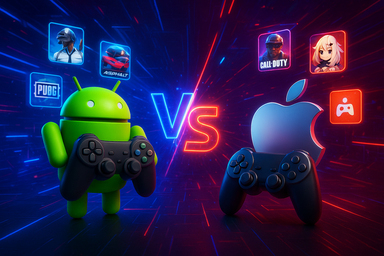
Mobile gaming has become one of the fastest-growing industries in the world
Mobile gaming has become one of the fastest-growing industries in the world, and two platforms dominate this space: Android and iOS. Both operating systems have millions of active gamers and offer thousands of titles ranging from casual puzzles to high-end multiplayer shooters. But the debate remains—which one is truly better for gaming? Let’s break it down in detail.
Performance and Optimization
One of the biggest differences between Android and iOS gaming is optimization. Apple controls both the hardware and software of its devices. This tight integration allows developers to fine-tune games for fewer device models, resulting in smoother performance and fewer bugs. Games on iPhones and iPads often run more consistently across devices.
Android, on the other hand, powers thousands of devices with different chipsets, GPUs, screen sizes, and RAM capacities. While flagship models like the Samsung Galaxy S series or dedicated gaming phones such as ASUS ROG and Nubia Red Magic perform exceptionally well, budget or mid-range Android devices may not run heavy games as smoothly. This fragmentation creates inconsistency in performance.
> Verdict: iOS offers more reliable performance, but high-end Android devices can outperform iPhones in raw power.
Exclusive Games and Early Access
iOS has an edge when it comes to exclusivity. Apple’s App Store often receives new game releases earlier than the Google Play Store. Additionally, Apple Arcade—a subscription-based service—provides access to premium, ad-free games that are unavailable on Android. Titles like Oceanhorn 2 and Fantasian highlight how Apple secures exclusive deals.
Android, however, offers broader variety and flexibility. Gamers can install APK files, emulators, and even access third-party stores like TapTap. This opens doors to classic console emulators, modded games, and niche titles unavailable on iOS. For gamers who like experimenting, Android is far more versatile.
> Verdict: iOS wins in premium exclusives, while Android wins in variety and flexibility.
Hardware Variety and Features
Apple launches only a handful of devices each year, and while they are premium and powerful, options are limited. iPhones generally have smaller batteries compared to Android gaming phones, and only recently did Apple adopt higher refresh rate screens (120Hz ProMotion).
Android offers huge hardware variety. Dedicated gaming phones boast 165Hz displays, advanced cooling systems, shoulder triggers, and massive batteries. Brands like ASUS ROG, Lenovo Legion, and Nubia Red Magic specifically target mobile gamers with features iPhones don’t provide. Even mainstream Android flagships like Samsung Galaxy Ultra or OnePlus Pro models bring high refresh rates, large AMOLED displays, and fast charging, making them excellent for long gaming sessions.
> Verdict: Android dominates in gaming-specific hardware.
Software Updates and Longevity
Apple supports its devices for five to six years with consistent iOS updates. This means even older iPhones continue running new games without major issues. Developers also prioritize iOS because of its unified ecosystem.
Android updates, however, vary by brand. While Google’s Pixel phones receive timely updates, many other brands delay upgrades or stop after two to three years. This affects how long a device stays relevant for gaming.
> Verdict: iOS wins in long-term support.
Affordability and Accessibility
Not every gamer can afford a $1,000+ iPhone. Here’s where Android shines. From budget devices under $200 to flagship gaming beasts, Android offers gaming options for every budget. Gamers in developing countries often prefer Android because of affordability and accessibility.
iPhones, though premium, are expensive. If gaming is your primary use case, the entry cost can be high.
> Verdict: Android wins in affordability.
Final Verdict
So, which is better for gaming—Android or iOS?
-
Choose iOS if you want a polished, consistent, and premium experience with early access to games and long-term support. iPhones may not have flashy hardware features, but their optimization makes up for it.
-
Choose Android if you want raw power, better hardware, more variety, and affordability. A high-end gaming phone can deliver unmatched performance, while budget Android devices make gaming accessible to everyone.
> In short, iOS is best for stability and exclusives, while Android is best for choice and customization. Your pick depends on whether you value smooth consistency or flexible variety.


Comments
Login to Comment