Acne and PCOS: Causes, Symptoms, and Treatment Options
12 Oct, 2026
6 Views 0 Like(s)This video isn't available anymore or invalid URL
Learn how PCOS can contribute to acne, recognize common symptoms, and explore medical and skincare options for acne treatment in Islamabad.
Acne is a common skin concern that can affect people at different stages of life. However, persistent acne around the chin, jawline, and lower face may sometimes be associated with hormonal changes or an underlying condition such as polycystic ovary syndrome (PCOS). For people experiencing recurring breakouts alongside irregular periods or other hormonal symptoms, understanding the connection between acne and PCOS can help them seek appropriate care.
If you are looking for acne treatment in Islamabad, learning about the possible causes of your breakouts is an important first step toward choosing a suitable treatment plan.
What Is PCOS?
Polycystic ovary syndrome (PCOS) is a hormonal condition that can affect people during their reproductive years. It may influence menstrual cycles, hormone levels, ovulation, and skin health.
PCOS is commonly associated with elevated androgen levels or increased sensitivity to these hormones. Androgens can stimulate the skin's oil glands, increasing sebum production and contributing to clogged pores and acne.
PCOS does not affect everyone in the same way, and having acne alone does not mean you have the condition.
How Does PCOS Cause Acne?
Several factors may contribute to acne in people with PCOS.
1. Increased Oil Production
Higher androgen activity can stimulate sebaceous glands to produce more oil. Excess sebum may combine with dead skin cells and block pores, creating an environment where acne develops.
2. Clogged Pores
When dead skin cells accumulate inside hair follicles, they can contribute to blackheads, whiteheads, and inflammatory pimples.
3. Inflammation
Blocked pores can become inflamed, leading to red, tender, or pus-filled lesions. Some people experience deeper and more painful breakouts.
4. Persistent Hormonal Changes
If hormonal imbalances remain untreated, acne may continue to recur despite regular skincare. This is one reason some people need medical treatment alongside topical products.
Signs That Acne May Be Associated With PCOS
PCOS-related acne may appear on the lower face, chin, or jawline, but its location alone cannot confirm the cause.
Other symptoms that may warrant medical evaluation include:
-
Irregular, infrequent, or absent menstrual periods
-
Increased facial or body hair growth
-
Thinning hair on the scalp
-
Persistent acne that is difficult to control
-
Difficulty becoming pregnant
-
Darkened, thicker skin around the neck or other skin folds, which can be associated with insulin resistance
Not everyone with PCOS experiences all these symptoms. A qualified healthcare professional can assess your symptoms and determine whether further evaluation is appropriate.
How Is PCOS Diagnosed?
PCOS cannot be diagnosed through acne symptoms alone. A clinician may review your menstrual history, skin concerns, medications, and other symptoms.
Depending on your circumstances, evaluation may include:
-
A physical examination
-
Blood tests to assess hormone levels and exclude other conditions
-
Tests for blood sugar or metabolic risk when indicated
-
A pelvic ultrasound in selected cases
An ultrasound is not always necessary to diagnose PCOS. The appropriate assessment depends on age, symptoms, and clinical findings.
Treatment Options for PCOS-Related Acne
The most appropriate treatment depends on acne severity, medical history, pregnancy plans, and whether PCOS is present.
1. Topical Acne Treatments
For mild to moderate acne, a clinician may recommend topical treatments such as:
-
Benzoyl peroxide: Helps reduce acne-causing bacteria and inflammation.
-
Azelaic acid: Can help manage acne and post-acne discoloration.
-
Topical retinoids: Help prevent clogged pores and treat comedonal acne. These should be avoided during pregnancy or when trying to conceive unless a qualified clinician specifically advises otherwise.
-
Salicylic acid: May help unclog pores in some people.
Introduce products gradually to reduce irritation, and avoid using multiple strong active ingredients at the same time without guidance.
2. Hormonal Treatment
For some patients, clinicians may prescribe combined oral contraceptives or other hormonal treatments to help manage androgen-related acne. These medicines are not suitable for everyone and require assessment of medical history and individual risks.
Certain anti-androgen medicines may also be considered in selected cases. They require appropriate medical supervision and are not suitable during pregnancy.
3. Oral Acne Medication
Moderate to severe acne may require prescription medication. Depending on the diagnosis, a dermatologist may consider oral antibiotics for a limited period or isotretinoin for severe, scarring, or treatment-resistant acne.
These treatments have important precautions. Isotretinoin, in particular, carries a serious risk of birth defects and requires strict pregnancy-prevention precautions where pregnancy is possible.
Do not start prescription acne medication without consulting a qualified healthcare professional.
4. Managing PCOS Beyond the Skin
When PCOS is confirmed, treatment may also address menstrual irregularities, metabolic health, or other symptoms.
Balanced nutrition, regular physical activity, sufficient sleep, and sustainable lifestyle habits may support overall health. However, lifestyle changes alone do not reliably resolve every case of PCOS-related acne.
5. Professional Skin Treatments
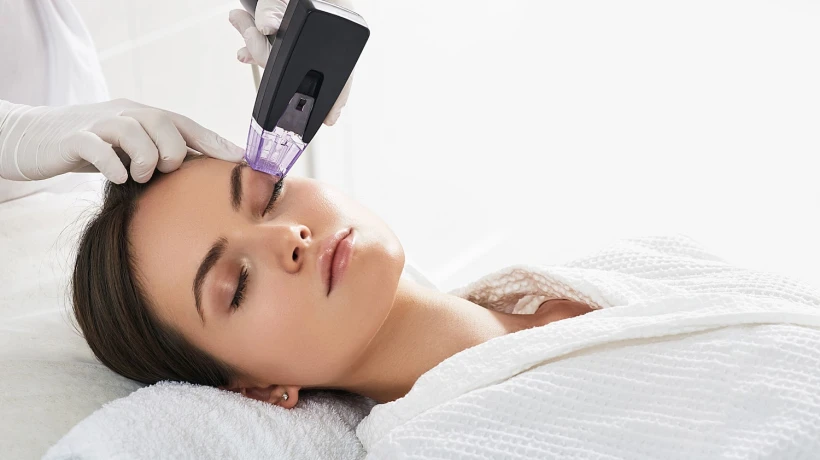
Some people may benefit from professionally selected chemical peels or other dermatological procedures to address specific acne concerns. These treatments should be chosen according to skin type, active inflammation, and the risk of pigmentation or scarring.
Procedures generally do not correct the underlying hormonal cause of PCOS-related acne, so they may need to be combined with medical treatment.
A Simple Skincare Routine for PCOS-Related Acne
A consistent routine can support medical treatment and reduce irritation.
Morning
-
Cleanse with a gentle, non-comedogenic cleanser.
-
Apply a suitable acne treatment if recommended.
-
Use a lightweight, non-comedogenic moisturizer.
-
Apply broad-spectrum sunscreen with SPF 30 or higher.
Evening
-
Remove makeup and cleanse gently.
-
Apply your prescribed acne treatment.
-
Moisturize to help maintain the skin barrier.
Avoid squeezing pimples, harsh scrubs, and frequent product changes. These habits can increase inflammation and the risk of post-acne marks.
When Should You See a Doctor?
Arrange a medical assessment if your acne is persistent, painful, leaving scars, or accompanied by irregular periods, increased facial hair, or scalp hair thinning.
Seek prompt evaluation if symptoms develop rapidly, particularly when accompanied by a sudden deepening of the voice or other signs of significant hormonal change.
Early assessment can help identify the cause of your symptoms and reduce the risk of long-term scarring.
Acne Treatment in Islamabad at Incisions Clinic
If you are searching for acne treatment in Islamabad, Incisions Clinic can be a starting point for discussing your skin concerns and suitable treatment options. A personalized assessment can help determine whether your acne may benefit from topical medication, prescription treatment, or selected dermatological procedures.
If your symptoms suggest a possible hormonal condition such as PCOS, medical evaluation is important. Depending on your needs, coordinated care with a dermatologist, gynecologist, or other qualified clinician may be appropriate.
Treatment recommendations should be based on your individual skin condition, medical history, and goals rather than a one-size-fits-all approach.
Conclusion
PCOS can contribute to persistent acne through hormonal changes that increase oil production and inflammation. However, acne has several possible causes, and its appearance alone cannot confirm PCOS.
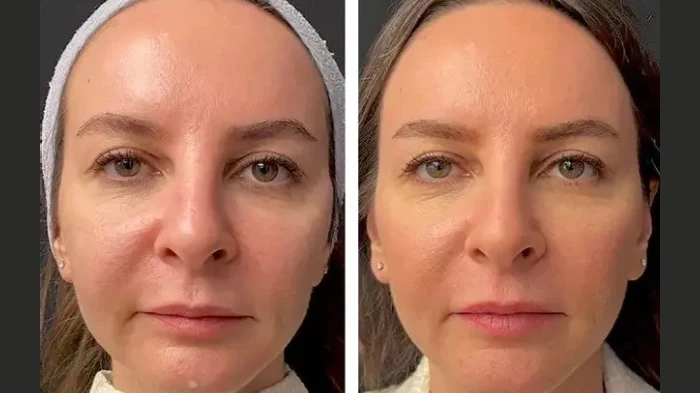
With appropriate assessment, a consistent skincare routine, and an individualized treatment plan, many people can improve their acne and reduce the risk of scarring. If you are experiencing recurring breakouts alongside menstrual or other hormonal symptoms, consider seeking professional advice about the next steps.
Looking for acne treatment in Islamabad? Consult a qualified healthcare professional to discuss your symptoms and explore options appropriate for your skin and overall health.
Comments
Login to Comment