7 tips for a tight tie down: Ensuring cargo safety with ratchet straps and trailer seals.
08 Jul, 2026
1106 Views 0 Like(s)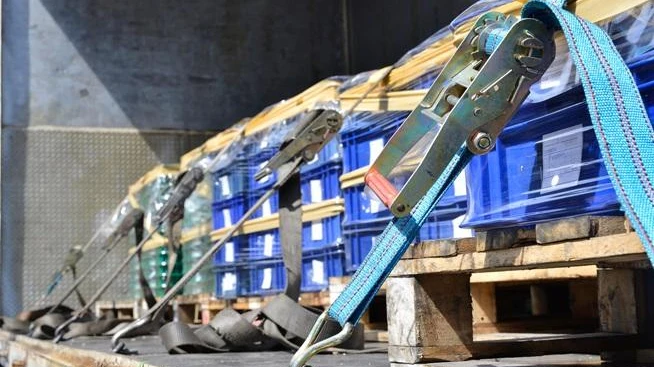
Trailer Tie Down Straps
Securing cargo safely requires proper equipment inspection, even weight distribution and rigid adherence to lashing best practices. Securing your payload is non-negotiable for safe transport. Making use of proper trailer tie-down straps ensures that everything from heavy machinery to delicate goods stays in place while transporting. This guide breaks down the seven essential techniques to guarantee a tight vibration-free setup, preventing costly cargo damage on the highway. Let's break down the guide in detail in this article.
7 Tips for a tight tie down
-
Inspect straps and hardware before every use.
Never assume that your straps are ready for the haul. Perform a pre-use inspection to check for cuts, fraying, melted fibers or deformed hooks. A damaged strap will fail under the stress of rapid braking.
-
Match the working load limit to your cargo.
Never exceed the working load limit printed on the strap’s tag. Make sure that the collective strength of all your straps exceeds the total weight of the cargo. Additionally, know your vehicle’s Gross Vehicle Weight Rating so you do not overload your rig.
-
Anchor to solid structural points
Attach hooks and fittings directly to strong anchor points such as D-rings, stake pockets or the main trailer frame. Avoid tying down to weak spots like plastic bed liners, flimsy railings or decorative trim that can snap or bend under pressure.
-
Pull slack before you ratchet
Do not rely on the ratchet itself to pull the slack. Pull the webbing as tight as you can by hand before you start cranking the ratchet. This keeps the windless spool from filling up too quickly and ensures you have enough room for a minimum of two to three wraps required for a solid hold.
-
Lock and secure the loose ends.
Once the cargo is tightened, always lock the ratchet handle down into its closed position to prevent accidental loosening during transit. Ensure the free tag end of the strap is tied down, looped, or securely fastened so it does not flap violently in the wind.
-
Monitor your straps during transit.
Always check your straps shortly after hitting the road and at regular intervals during long trips. Cargo naturally settles during the trip, which can cause straps to loosen. Give the load a firm push by hand to make sure it is not sliding or shifting.
-
Seal the trailer for security.
If you are using an enclosed trailer or a shipping container, immediately apply high-security trailer seals to the locking latches. This provides the visual proof that the trailer has not been tampered with and discourages any theft.
Conclusion
Ensuring the safety of a shipment requires a comprehensive approach that combines mechanical stability with rigorous security measures. By adhering to professional cargo securement standards and utilising rated hardware, drivers can significantly reduce the risk of road accidents and equipment failure. Beyond physical stability, maintaining supply chain transparency is essential for modern logistics. Implementing tamper-evident measures provides a clear audit trail from the point of origin to the final destination, protecting the interests of all stakeholders involved. For those looking to upgrade their fleet’s security protocols with reliable, industry-standard equipment, a practical step is to buy truck trailer seals online. Accessing high-quality security tags through reputable digital marketplaces ensures that your cargo remains protected against tampering and theft throughout its journey. Consistency in applying these safety and security principles is the premium standard of a professional operation, ensuring every load is delivered safely and intact.



Comments
Login to Comment