3D Product Rendering for Better Product Presentation
19 Sep, 2026
13 Views 0 Like(s)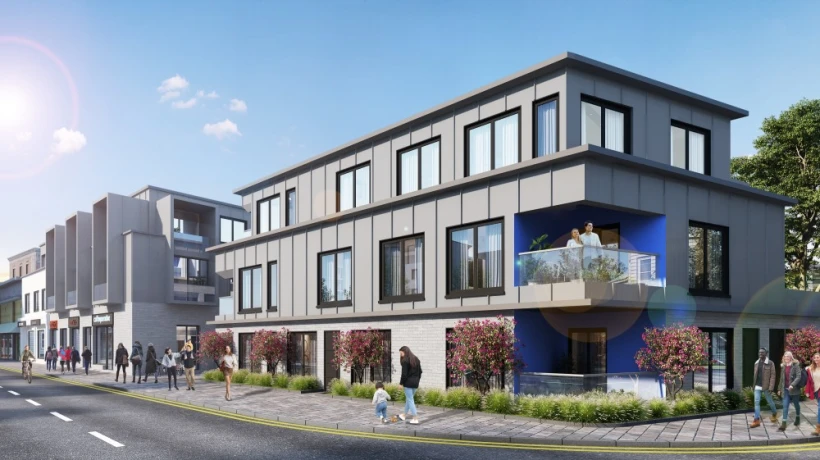
In the face of the competition, product presentation is of great importance. In the digital age a company must have visuals that are clear, realistic, and can be utilized in various marketing channels.
In the face of the competition, product presentation is of great importance. In the digital age a company must have visuals that are clear, realistic, and can be utilized in various marketing channels. With the help of 3d product rendering, professional product images can be produced without full reliance on traditional photography or prototypes.
Using computer-generated imagery, companies can produce realistic images of their products prior to production or photography. These visuals can present materials, colors, dimensions and finishes from various perspectives as well as design elements. From e-commerce, advertising, product development to presentations, 3D rendering allows brands to have more control over the presentation of their products.
Understanding 3D Product Rendering
Product rendering is the rendering of a product model in 3D. The model can be conceptualized based on CAD drawings, sketches, measurements, technical documents or from existing product references.
After the model has been made, the artists add materials, textures, lighting and camera settings to create the final image. The rendering can be done in a simple studio background or in a detailed background.
Digital visualization has a wide range of uses for products, from furniture and home decorations to electronics, machinery, appliances and construction products.
Why Businesses Use 3D Product Rendering
Flexibility is among the most important advantages of 3d product rendering which is why it is one of the reasons companies invest in it. Product photography is a traditional style that involves a physical product, equipment, lighting and photography setup. If there is a change in the product, a repeating shotshoot might be required.
Digital rendering is an alternative method. After 3D modelling, designers can change the color, material, finish, parts or settings of the model digitally. This allows easier generation of a number of different product variants without compromising the look of the product.
It is also beneficial when a product is still in development. Marketing images can be designed before the manufacturing of the product is completed, enabling marketing activities to start earlier.
High-Quality Visuals for E-Commerce
When online shoppers are considering a purchase they are not able to physically touch or examine a product. Therefore, product images must be able to convey as much information as possible.
A high-quality 3D visualization can capture the product from multiple perspectives and emphasize significant details. Depending on the requirement, businesses can generate front, side and top, rear, and perspective views of the product.
If you have an ecommerce website, this uniform product render can also make your website look more professional when you're listing your products. Various versions of the same product can be showcased using the same lighting and camera angles to make it easier for customers to compare the options available.
Supporting Product Design and Development
3D visualization isn't just used in marketing. It can also be used to assist with the design and development process.
Designers and clients are able to see a realistic digital image of the product before it is produced. The visual model can be used to discuss changes to dimensions, materials, colors or individual components.
This allows designers, manufacturers, marketing and clients to communicate more easily. Rather than technical drawings, stakeholders can visualize the product as it will look in the end.
Applications Across Different Industries
Professional rendering is the perfect tool for any type of industry that requires powerful product images. Furniture companies can display furniture such as chairs, sofas, tables, beds, cabinets and more.
Consumer electronics can see phones, speakers, appliances and accessories. Industrial manufacturers can develop detailed images of all types of technical components, equipment, tools and machinery.
Lamp shades, decorative items, floor, kitchen items, and bathroom fittings are all examples of items that can be rendered by home décor companies. 3D visuals can also be used in automotive and construction companies to show components and materials.
Professional 3d rendering companies can customize the process of modelling and rendering as per the complexity of the product and its intended use.
Realistic Materials and Finishes
When the materials used in a product render are accurate, the render becomes more convincing. The reflectivity of various materials and all the specific attributes of light need to be carefully reproduced.
As an instance, shiny metallic surfaces call for correct reflections and glasses call for correct transparency. Wood needs some grain and natural variations, fabric needs detailed textures.
These features can be reproduced digitally by a rendering artist by modifying the materials, surface textures, reflections, roughness and other visual characteristics.
The right materials are especially critical in furniture, interior products, architectural materials, and high-end consumer goods where appearance is a huge factor in the buying decision.
Creating Lifestyle Product Scenes
Not all products require a plain background to be displayed. Lifestyle shots can show how something might be used in an actual context.
A sofa can be displayed in a modern living room, a lamp can be displayed in a designed bedroom or a kitchen appliance can be displayed in a designed kitchen.
These scenes provide customers with extra context and provide them with an understanding of how a product may fit into their environment. They can also enhance their advertising campaigns to be more visually appealing.
Combining Product Rendering With 3D Floor Plan Rendering
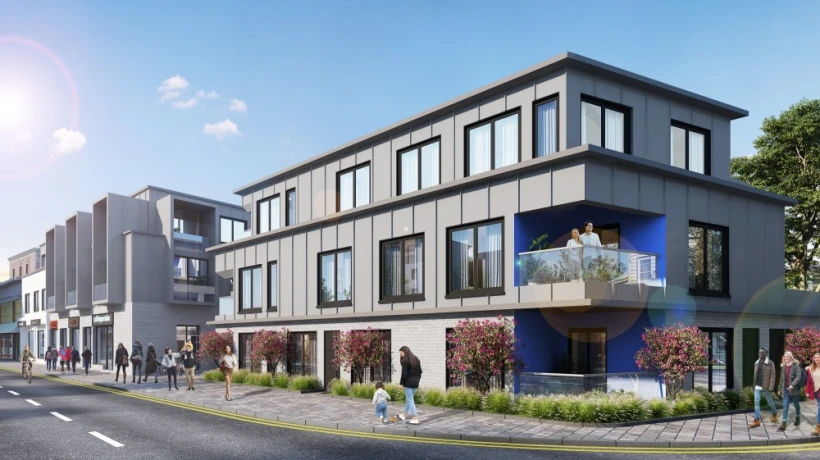
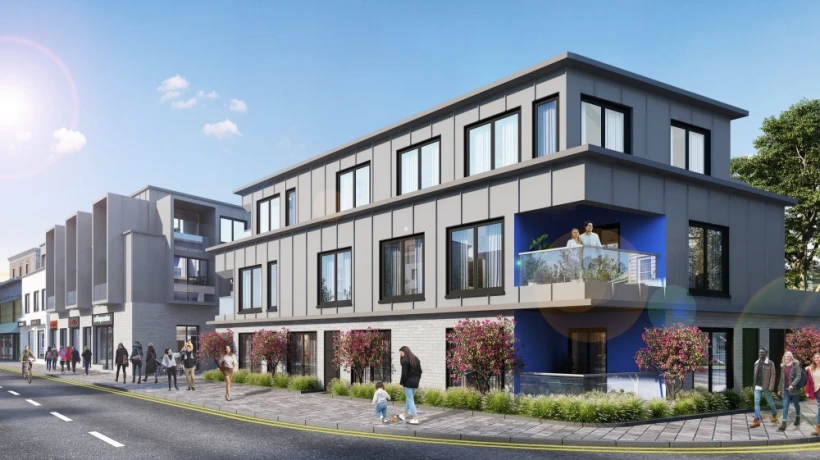
Architectural Visualization is an even more informative way of product visualization. 3d floor plan rendering gives a comprehensive look at spaces, layouts, furniture placement and spatial relationships.
For instance, a furniture producer can position a rendered sofa, table or cabinet inside a 3D floor plan. This enables the viewer to not only see what it looks like, but also how it'll fit in with a room.
This formula can be used by interior designers, furniture companies, property developers and home decor brands to make their presentation more interesting. Customers can see how the products will fit in a room and other components.
Product Variations and Customization
There are numerous modern brands which have multiple customization options. Customers can select from various colours, fabric, size, patterns or finishes.
It can be costly to make physical samples for all possible combinations. However, 3D rendering is a helpful alternative, as digital versions can be created from a single base model.
This can make it easier for the business to appear to have a larger product line without producing all of the various options for photography. It can be used for furniture, kitchenware, wardrobes, flooring, lighting, and any other personalized consumer goods.
Choosing Professional 3D Rendering Companies
The rendering team's expertise is a crucial factor in the quality of the final visualization. The businesses can assess their portfolio, 3d modeling skills, quality of materials, lighting skills and experience with similar products while selecting 3d rendering companies.
Communication is also key. Prior to a project, the business needs to supply the materials colour, available CAD files, technical drawings, dimensions, reference images and information.
It also helps to develop the required resolution of images, camera angles, file formats, delivery time and revision process ahead of time.
Conclusion
3d product rendering is the best solution when working with product development, marketing, advertising and e-commerce, as it provides a flexible and efficient means of product visualization. It can make product differences easier, minimize the need for physical models, and give the customers a detailed visual information.
Product visuals can be inserted in to realistic space with the 3d floor plan rendering to show scale, placement and usability. Collaborating with seasoned 3d rendering firms can help businesses produce high-quality visual material to enhance product representation and aid contemporary marketing methods. When it comes to 3d floor plans, play it safe with expert 3d architectural renderings in ny ny to get your projects presented clearly and effectively.

Comments
Login to Comment