Your Smile Deserves Consistent Care: A Complete Guide to Modern Dental Health
17 Feb, 2026
7325 Views 0 Like(s)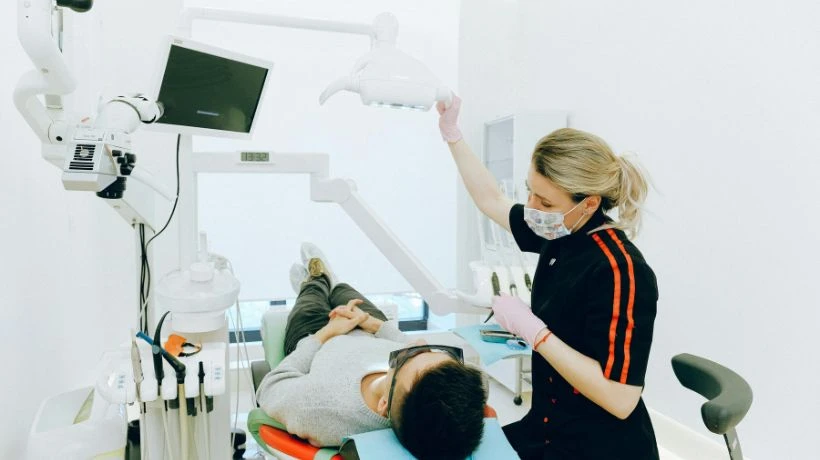
Introduction
Most people visit the dentist only when something hurts. A toothache, a cracked filling, a persistent sensitivity that finally becomes too much to ignore. It is an understandable pattern, but it is also one that tends to turn small, manageable issues into bigger, more expensive ones. The truth is that dental health is not just about your teeth. It is deeply connected to your overall wellbeing, your confidence, and your quality of life.
Whether you are new to a neighbourhood and searching for a dentist in Etobicoke or simply looking to take better care of your existing oral health, this guide covers everything you need to know. From what to expect at your first appointment to how to build a daily routine that keeps your teeth strong for decades, consider this your friendly and honest introduction to great dental care.
Why Preventive Care Is the Foundation of Good Dental Health
Preventive dental care is not complicated, but it is remarkably effective. The idea is simple: address potential problems before they develop into serious conditions. Regular checkups and cleanings give your dental team the opportunity to catch early signs of decay, gum disease, and even oral cancer before they progress.
Studies consistently show that patients who maintain regular dental visits, typically every six months, experience fewer cavities, lower rates of gum disease, and significantly reduced dental costs over time. Prevention is always more affordable and less uncomfortable than treatment. A routine cleaning and exam costs a fraction of what a root canal or crown does, and it spares you the associated discomfort.
Beyond cost and comfort, preventive care plays a role in your broader health. There is growing research linking gum disease to cardiovascular disease, diabetes, and other systemic conditions. Caring for your mouth is, in a meaningful way, caring for your entire body.
What to Expect at a Dental Appointment
Dental anxiety is real, and it affects more people than most of us like to admit. One of the best ways to ease that anxiety is to simply know what is going to happen. A standard dental visit typically unfolds in a few clear stages.
Your appointment will usually begin with a review of your medical history and any changes to your health since your last visit. From there, a dental hygienist will perform a thorough cleaning, removing tartar and plaque buildup that regular brushing cannot always address. This process, called scaling, is completely normal and does not damage your teeth.
Following the cleaning, the dentist will conduct a full examination of your teeth, gums, and soft tissue. Depending on your history and needs, X-rays may be taken periodically to get a clearer picture of what is happening beneath the surface. Your dentist will then walk you through any findings and discuss options if any concerns are identified. Good dental providers take the time to answer questions and make sure you understand your oral health.
For new patients, the first visit often involves a more comprehensive assessment to establish a baseline and understand your dental history. It is a good time to share any concerns, sensitivities, or goals you have for your smile.
Common Services Offered at a Modern Dental Clinic
Today's dental clinics offer a wide range of services designed to meet patients at every stage of their oral health journey. Here is a look at some of the most common ones.
Routine cleanings and exams remain the backbone of dental care. These appointments keep your teeth clean, your gums healthy, and give your dental team regular opportunities to monitor your oral health over time.
Fillings are among the most common restorative procedures. When decay is caught early, a composite resin filling restores the tooth with minimal intervention. Many clinics now use tooth-coloured fillings that blend seamlessly with your natural smile.
For teeth that are more significantly damaged or worn, crowns, bridges, and veneers offer durable and natural-looking solutions. These treatments restore both function and aesthetics.
Root canal therapy, often misunderstood and unfairly feared, is a procedure designed to relieve pain and save a tooth that might otherwise be lost. Modern techniques make this procedure much more comfortable than its outdated reputation suggests.
Orthodontic treatments, including traditional braces and clear aligner therapy, help correct misalignment and bite issues. Gum disease treatment, dental implants, teeth whitening, and oral appliances for conditions like sleep apnea round out the many services that a full-service dental practice can offer.
Practical Tips for Maintaining Your Oral Health at Home
What you do between dental appointments matters just as much as the appointments themselves. A consistent at-home routine is the single greatest factor in long-term oral health.
Brushing twice a day with a fluoride toothpaste is non-negotiable. Use a soft-bristled brush and spend at least two minutes on each session. Many people find an electric toothbrush easier to use effectively, though a manual brush works just as well when used correctly.
Flossing once a day clears plaque and food from between the teeth and beneath the gumline, areas your toothbrush simply cannot reach. If traditional floss feels awkward, floss picks or a water flosser can be excellent alternatives.
Your diet has a significant impact on your dental health. Limiting sugary and acidic foods and drinks reduces the risk of enamel erosion and cavities. Drinking plenty of water, especially fluoridated tap water, helps rinse away food particles and supports saliva production, which is your mouth's natural defence against decay.
If you grind your teeth at night, talk to your dentist about a custom mouthguard. Bruxism, the clinical term for grinding, can wear down enamel over time and lead to jaw pain, headaches, and tooth sensitivity. A simple appliance worn during sleep can prevent significant long-term damage.
How to Choose the Right Dental Provider for Your Needs
Choosing a dental provider is a personal decision, and it is worth taking the time to find a practice that genuinely feels like a good fit. Here are a few things to consider.
Start with credentials and experience. A reputable dental practice will have licensed and registered dentists and hygienists, and will often list their educational backgrounds and areas of focus. If you have specific needs, such as orthodontic treatment or implants, look for a provider with demonstrated experience in those areas.
Pay attention to how the office communicates. Do they explain procedures clearly? Are they patient when you have questions? A good dental team treats you as a partner in your care, not just a patient to move through the schedule.
Consider convenience and accessibility. A clinic that is close to your home or workplace, offers flexible hours, and provides online booking makes it easier to stay consistent with your appointments. Technology matters too. Clinics that use digital X-rays, intraoral cameras, and modern sterilisation protocols demonstrate a commitment to quality and patient safety.
Finally, read patient reviews thoughtfully. Look for consistent themes around professionalism, communication, and how well the team handles anxious or nervous patients. Word of mouth from friends and family in your area can also be a reliable guide.
Taking the Next Step Toward a Healthier Smile
Dental health is one of those things that rewards consistency. The more regularly you care for your teeth, both at home and through professional appointments, the better your outcomes will be over the long term. It is not about perfection. It is about building habits that add up.
If it has been a while since your last visit, or if you have been putting off a concern because you are nervous about what you might hear, know this: dental providers see patients at all stages, and their goal is always to help, not to judge. Every positive change you make today is a step in the right direction.
Reach out to a trusted dental clinic in your area, ask questions, schedule a consultation, and give yourself the gift of a smile that feels as good as it looks. Your oral health journey starts with a single appointment, and there is no better time than now to book it.



Comments
Login to Comment