Why Practical Training Matters More Than Theory in a Mobile Repairing Course
30 Jun, 2026
1181 Views 0 Like(s)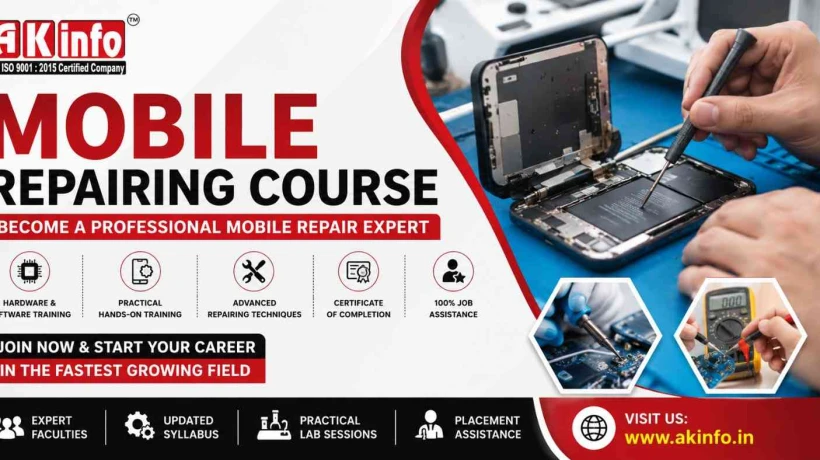
One of the biggest advantages of practical learning is confidence.
Smartphones have become an essential part of our daily lives. From communication and online banking to education and entertainment, people rely on their mobile devices every day. As a result, the demand for skilled mobile repair technicians is growing rapidly. If you want to build a successful career in this field, choosing the right mobile repairing course is an important first step.
While theory helps you understand the basics of mobile technology, practical training is what truly prepares you for real-world repair work. Reading about phone components is useful, but repairing an actual device gives you the confidence and experience needed to solve real customer problems. This is why hands-on learning plays a much bigger role in becoming a skilled mobile repair professional.
Understanding the Basics Through Theory
Every good mobile repairing course begins with theoretical knowledge. Students learn about:
-
Mobile phone components
-
Motherboard structure
-
Battery and charging systems
-
Display and touchscreen technology
-
Software and operating systems
-
Safety measures during repairs
This knowledge creates a strong foundation. It helps students understand how smartphones function and why certain faults occur. However, theory alone cannot make someone an expert technician.
Why Practical Training Makes the Difference
Mobile repairing is a skill-based profession. Just like driving a car or riding a bicycle, you cannot master it simply by reading books. You need regular practice.
Practical training allows students to work on real mobile devices, identify faults, and perform repairs under expert guidance. This hands-on experience builds technical skills that cannot be learned from theory alone.
When students repeatedly repair different smartphones, they become faster, more accurate, and more confident in handling complex issues.
Builds Real Repairing Confidence
One of the biggest advantages of practical learning is confidence.
Many students understand mobile circuits in theory but hesitate when opening a smartphone for the first time. During practical sessions, they learn how to:
-
Open different phone models safely
-
Replace damaged screens
-
Repair charging ports
-
Change batteries
-
Fix microphones and speakers
-
Handle delicate internal components
The more devices they repair, the more comfortable they become with solving real customer problems.
Helps Understand Different Mobile Models
Every smartphone brand has a different design and repair process. Repairing one device is not the same as repairing another.
A quality mobile repairing course gives students exposure to multiple brands and models. During practical sessions, they learn to repair devices from leading manufacturers while understanding different hardware layouts and software systems.
This experience prepares them for the wide variety of phones they will encounter in the market.
Improves Problem-Solving Skills
In real life, customers rarely know the exact issue with their phone. They simply explain the symptoms.
For example:
-
Phone not charging
-
Display not working
-
Network problems
-
Phone restarting automatically
-
Water damage
-
No sound during calls
Practical training teaches students how to diagnose these problems step by step instead of guessing the solution.
Over time, students develop logical thinking and troubleshooting skills that help them repair phones efficiently.
Hands-On Practice Reduces Mistakes
Mistakes are a normal part of learning. During training, students may accidentally disconnect cables incorrectly or misidentify faulty components.
Making these mistakes in a classroom environment is valuable because experienced trainers can guide students and explain the correct repair methods.
By the time students begin working professionally, they have already learned from these experiences and become more careful with customer devices.
Learn to Use Professional Repair Tools
Modern smartphone repairs require specialized equipment. Simply knowing the theory behind repairs is not enough.
Practical sessions introduce students to tools such as:
-
Digital multimeters
-
Soldering stations
-
Hot air guns
-
DC power supplies
-
Microscope equipment
-
Software flashing tools
Students also learn how to use these tools safely and effectively. Proper tool handling improves repair quality and reduces the risk of damaging expensive smartphones.
Keeps Students Updated with Modern Technology
Mobile technology changes quickly. Every year, new smartphones introduce advanced processors, cameras, displays, and security systems.
Practical training helps students stay updated with these changes by working on the latest devices and repair techniques.
Institutes like AK Info focus on practical learning so students gain experience with current mobile technologies rather than relying only on outdated theoretical concepts.
Better Career Opportunities
Employers and service centers usually prefer candidates who have practical repair experience.
When students complete a mobile repairing course with extensive hands-on training, they can confidently demonstrate their skills during interviews and technical tests.
Practical experience increases opportunities in:
-
Mobile service centers
-
Electronics repair shops
-
Authorized service providers
-
Freelance mobile repair businesses
-
Home-based repair services
Employers value technicians who can immediately begin handling customer repairs with minimal supervision.
Helps Start Your Own Business
Many students choose mobile repairing because they want to become self-employed.
Running a successful repair business requires more than theoretical knowledge. Customers expect quick diagnosis, accurate repairs, and reliable service.
Practical training prepares students to:
-
Diagnose faults confidently
-
Repair devices efficiently
-
Handle customer expectations
-
Maintain repair quality
-
Build trust through professional service
These skills are essential for anyone planning to open a mobile repair shop.
Real Experience Creates Better Technicians
Theory explains how a mobile phone should work.
Practical experience teaches what actually happens when devices fail.
For example, a student may learn about charging circuits in class, but only hands-on practice reveals how corrosion, damaged connectors, or faulty ICs affect charging performance.
This real-world exposure transforms beginners into skilled technicians who can confidently solve complex repair challenges.
Choosing the Right Training Institute
When selecting a mobile repairing course, students should look beyond classroom lectures. The best institutes offer:
-
Daily practical sessions
-
Experienced trainers
-
Modern repair equipment
-
Live device troubleshooting
-
Small batch sizes for better guidance
-
Industry-relevant training
AK Info understands the importance of practical learning and focuses on providing students with hands-on experience that prepares them for real repair work. By combining theoretical concepts with practical exercises, students develop the skills needed to succeed in today's competitive mobile repair industry.
Conclusion
Theory is important because it provides the knowledge needed to understand mobile technology. However, practical training is what transforms that knowledge into real skills. A well-designed mobile repairing course should always include extensive hands-on practice so students gain confidence, improve troubleshooting abilities, and learn to repair different smartphone models effectively.
Whether your goal is to secure a job, work in a service center, or start your own repair business, practical experience will always give you a stronger foundation for success. With quality training from AK Info, students can develop the practical expertise needed to build a rewarding career in the fast-growing mobile repair industry.


Comments
Login to Comment