Why Gulab Jamun Is Still India’s Favourite Dessert in 2026
31 Jul, 2026
787 Views 0 Like(s)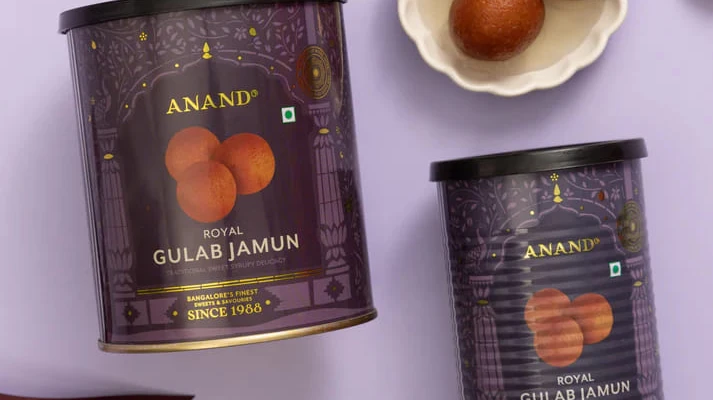
Gulab jamun remains one of India’s favourite desserts in 2026 because of its soft texture, rich sweetness, nostalgic appeal, and connection with celebrations. Loved across generations, it suits festivals, weddings, family gatherings, and everyday cravings. Its traditional charm, versatility, and ability to create memorable moments keep its popularity strong.
Think about an Indian celebration with a table full of food. There’s biryani or pulao, curries, snacks, breads, and plenty of conversation happening around the table. Then dessert arrives—and suddenly, those warm, syrup-soaked brown sweets get everyone’s attention.
Yes, we’re talking about gulab jamun.
In 2026, dessert choices in India are more diverse than ever. Cheesecakes, brownies, tiramisu, artisanal chocolates, fusion mithai, ice creams, and trendy café desserts are everywhere. Yet gulab jamun continues to hold a special place at weddings, festivals, family gatherings, restaurants, and simple dinners at home.
So, what keeps this classic Indian dessert so popular generation after generation?
It’s not just the sweetness. Gulab jamun brings together flavour, nostalgia, celebration, and comfort in a way few desserts can.
That Soft, Syrupy Bite Is Hard to Resist
The biggest reason is also the simplest: it tastes incredibly satisfying.
Traditional gulab jamun is made from a soft dough, often based on khoya or milk solids, shaped into small balls and fried until beautifully browned. The pieces are then soaked in fragrant sugar syrup, commonly flavoured with cardamom and sometimes rose water or saffron.
The result?
A soft exterior, tender centre, and syrupy sweetness in every bite.
When served warm, gulab jamun becomes especially comforting. Add a scoop of vanilla ice cream alongside it, and you get that hot-and-cold combination many dessert lovers find difficult to turn down.
It’s simple, familiar, and delicious.
Gulab Jamun Feels Like a Celebration
Some foods are connected so strongly with occasions that seeing them instantly puts you in a festive mood.
Gulab jamun is one of them.
At Indian weddings, it’s a familiar sight on dessert counters. During Diwali and other festivals, boxes of mithai often include it. At birthday parties, office celebrations, family dinners, religious occasions, and get-togethers, gulab jamun continues to make regular appearances.
And it doesn’t need a special occasion either.
Sometimes you just want something sweet after dinner, and a couple of gulab jamuns feel like a celebration on their own.
That flexibility has helped the dessert stay relevant. It can be festive enough for a wedding and comforting enough for a quiet evening at home.
It Brings Back Memories
Ask someone why they love gulab jamun and there’s a good chance their answer won’t only be about taste.
Food has a powerful connection with memory.
Maybe gulab jamun reminds you of childhood Diwali celebrations when the house was full of relatives. Perhaps you remember waiting near the dessert table at a wedding. Maybe your parents brought home a box of sweets when something good happened.
For others, it might bring back memories of school celebrations, family road trips, visits to grandparents, or Sunday lunches.
Those memories become part of the flavour.
In 2026, we may discover new desserts through Instagram, food delivery apps, cafés, and travel, but familiar foods still offer something trends cannot easily replace: nostalgia.
It Works Across Generations
Try choosing one dessert for an entire family and things can get complicated quickly.
One person wants chocolate cake. Someone else prefers ice cream. Another wants traditional mithai. The kids want something completely different.
Then someone suggests gulab jamun.
Problem solved—well, usually!
One of its greatest strengths is its broad appeal. Grandparents know it well, parents grew up eating it, and younger generations continue enjoying it today.
That makes gulab jamun an easy choice for gatherings where different age groups are sharing the same table. You don’t have to explain what it is or convince people to try something unfamiliar.
Everyone already knows why it’s there.
It Has Adapted Without Losing Its Identity
Traditional foods survive when they stay connected to their roots while still finding ways to fit changing tastes.
Gulab jamun has done exactly that.
The classic version remains popular, but today you can also find creative interpretations of the dessert. Restaurants and home cooks pair gulab jamun with ice cream, use it in cakes, add it to cheesecakes, create dessert jars, or incorporate it into other fusion sweets.
These versions introduce gulab jamun to modern dessert experiences without completely removing what people love about the original.
Still, there’s something unbeatable about the classic version served warm in syrup. Trends may come and go, but sometimes you simply don’t need to improve a favourite.
Perfect for Sharing
Indian food culture is deeply connected with sharing.
When relatives visit, sweets come out. When there’s good news, mithai gets distributed. When someone starts a new job, gets married, moves into a new home, or celebrates an achievement, sweets often become part of the moment.
Gulab jamun fits naturally into that tradition.
A bowl can be placed in the centre of the table for everyone to enjoy. A box can be carried to a friend’s home. Larger quantities can be served conveniently at weddings and events.
And there’s always that familiar conversation:
“Have one more.”
“No, I’m full.”
“Just one.”
Fine. One more gulab jamun.
Easy to Pair with Other Desserts
Another reason gulab jamun remains popular is how well it works with other flavours.
Vanilla ice cream is probably the most familiar pairing. The cold, creamy ice cream balances the warm sweetness of the gulab jamun beautifully.
You can also serve it alongside rabri for an extra-rich dessert experience or include it as part of a larger Indian mithai platter with laddus, barfi, peda, and other favourites.
At parties, this versatility makes it easy to create a dessert spread that combines traditional and contemporary choices.
Traditional Desserts Still Matter in 2026
Food trends move quickly.
One year everyone is talking about a particular dessert, and a few months later there’s something new taking over social media. But traditional Indian sweets aren’t built around trends. They’re connected to culture, celebrations, family, and memories.
That gives gulab jamun staying power.
People may order a cheesecake on Saturday and enjoy gulab jamun at a family celebration on Sunday. Modern and traditional desserts don’t have to compete; there’s room for both.
What makes gulab jamun special is that it feels at home almost anywhere—from an elaborate wedding buffet to a small bowl after dinner.
A Dessert That Feels Like Home
Maybe that’s the real reason gulab jamun remains one of India’s most loved desserts in 2026.
It doesn’t try too hard.
It’s warm, sweet, familiar, and comforting. It reminds people of celebrations, childhood, family meals, festivals, weddings, and moments when sweets were shared because something good had happened.
New desserts will continue arriving. Café menus will evolve, fusion creations will trend online, and our tastes will keep expanding.
But place a bowl of warm gulab jamun on the table after a big Indian meal and watch what happens.
Someone will reach for one.
Then someone else will follow.
And before you know it, the bowl will be empty.
Some favourites simply don’t need to follow trends. They become traditions—and gulab jamun is one of them.

Comments
Login to Comment