Why Every Modern Facility Needs an Efficient Acid Waste Neutralization System
13 May, 2026
1801 Views 0 Like(s)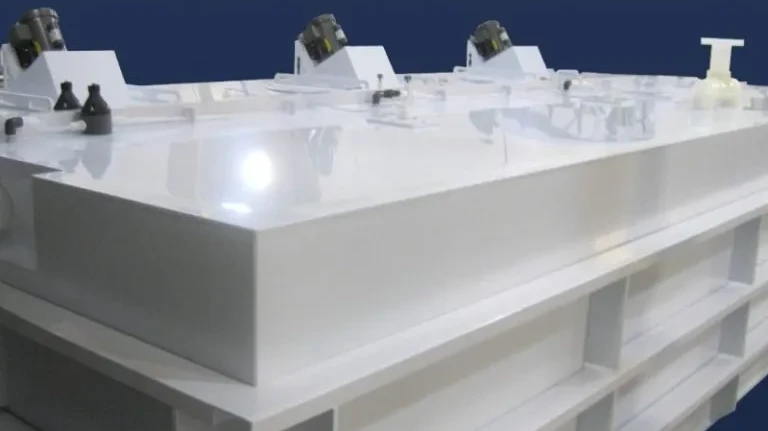
Learn how an acid waste neutralization system improves wastewater safety, regulatory compliance, and environmental protection in industrial facilities.
Industrial and laboratory facilities generate wastewater containing acidic compounds that cannot be discharged directly into municipal sewer systems. Without proper treatment, acidic wastewater can damage plumbing infrastructure, harm the environment, and create serious compliance issues. This is why investing in an effective acid waste neutralization system has become essential for facilities that handle corrosive chemicals on a daily basis.
From research laboratories to semiconductor manufacturing plants, proper wastewater treatment supports safer operations, environmental responsibility, and long-term cost savings.
Understanding Acidic Wastewater Challenges
Acidic wastewater is commonly produced during cleaning, chemical processing, laboratory testing, and manufacturing operations. These waste streams often contain low pH levels that can corrode pipes, damage equipment, and disrupt local wastewater treatment systems.
Facilities that fail to manage acidic discharge properly may face operational shutdowns, regulatory penalties, and increased maintenance costs. Implementing a reliable neutralization process helps organizations maintain safe and compliant operations.
How Neutralization Systems Work
A neutralization system is designed to balance wastewater pH levels before discharge. The process typically involves collecting acidic waste in a treatment tank where neutralizing agents are introduced to raise the pH to acceptable levels.
Modern systems often include automated monitoring controls, pH sensors, mixing components, and safety alarms that ensure consistent performance. Automated treatment also reduces the risk of human error and improves operational efficiency.
Benefits of Installing a Neutralization System
Improved Environmental Protection
Treating acidic wastewater before discharge helps reduce environmental impact and protects local water systems from contamination. Proper treatment supports sustainable facility operations and responsible chemical management.
Better Regulatory Compliance
Industrial and laboratory facilities must comply with strict wastewater discharge regulations. A properly designed treatment system helps organizations meet local environmental standards while avoiding fines and violations.
Reduced Equipment Damage
Untreated acidic wastewater can cause corrosion in pipelines, drains, and facility infrastructure. Neutralizing acidic discharge helps extend equipment lifespan and reduce long-term repair costs.
Enhanced Workplace Safety
Handling corrosive chemicals without proper treatment systems can create safety risks for employees. Automated treatment systems help minimize direct exposure to hazardous materials and improve workplace safety conditions.
Industries That Require Neutralization Systems
Many industries rely on wastewater treatment systems to maintain safe operations, including:
- Research laboratories
- Pharmaceutical facilities
- Semiconductor manufacturing plants
- Chemical processing facilities
- Educational institutions
- Healthcare laboratories
- Industrial manufacturing operations
Each facility has unique wastewater handling requirements, making system customization an important part of the design process.
Key Features to Look For
When selecting an acid neutralization solution, facilities should evaluate system capacity, automation capabilities, chemical compatibility, and maintenance requirements. Reliable monitoring systems and durable tank materials also play an important role in long-term performance.
Scalable solutions can support future operational growth while maintaining consistent wastewater treatment efficiency.
Importance of Preventive Maintenance
Regular inspections and maintenance are essential for keeping wastewater treatment systems operating efficiently. Monitoring pH sensors, pumps, valves, and mixing components helps prevent unexpected failures and ensures consistent treatment performance.
Preventive maintenance also supports compliance reporting and reduces the risk of costly operational disruptions.
Final Thoughts
An efficient acid waste neutralization system is no longer optional for facilities handling corrosive wastewater. Proper treatment protects infrastructure, improves workplace safety, supports environmental responsibility, and helps organizations remain compliant with wastewater regulations.
As industries continue to focus on safety and sustainability, advanced wastewater treatment solutions will remain a critical part of modern facility operations.
See also: How Material Handling Carts Reduce Manual Labor Risks


Comments
Login to Comment