Why Every Fleet Needs an Alcohol Breathalyzer On Board
27 Jul, 2026
857 Views 0 Like(s)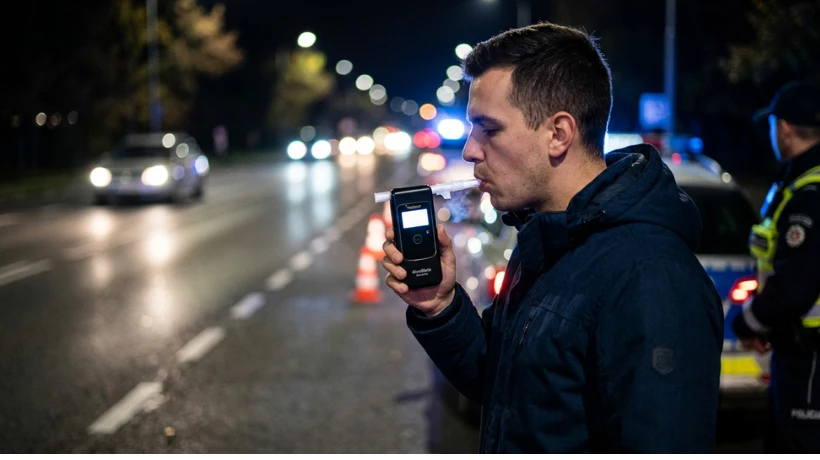
Protect your fleet with a reliable alcohol breathalyzer. Discover how a breathalyzer alcohol tester improves driver safety and compliance.
Drunk driving remains one of the leading causes of road accidents across the world, and commercial fleets are no exception. A single lapse in judgement by a driver can put lives, cargo, and company reputation at risk. This is why more logistics and transport businesses are turning to technology-driven safety checks before a vehicle even leaves the yard. An alcohol breathalyzer has quickly become one of the most reliable tools for enforcing sobriety compliance and reducing preventable accidents on the road.
The Growing Need for Sobriety Checks in Fleet Operations
Fleet managers are under constant pressure to meet delivery timelines while keeping drivers, vehicles, and goods safe. Manual sobriety checks are slow, inconsistent, and easy to bypass, which leaves a dangerous gap in safety protocols. Automating this process with a dedicated breath analyser ensures that every driver is checked the same way, every single time, before they get behind the wheel.
How a Breath Analyser Works
A breath analyser measures the concentration of alcohol in a person's breath using sensor-based technology. The driver blows into the device, and within seconds, the system calculates the blood alcohol content and flags whether the reading falls within a safe or unsafe range. When this data is integrated with a fleet management platform, supervisors get instant visibility into which drivers are cleared to drive and which need to be stood down.
Benefits of Integrating a Breathalyzer Alcohol Tester Into Fleet Workflows
Bringing a breathalyzer alcohol tester into daily operations does more than just detect alcohol. It builds a culture of accountability and discipline across the driver workforce. Some of the key benefits include:
1. Reduced Accident Risk
Screening drivers before every trip significantly lowers the chances of alcohol-related mishaps, protecting both the driver and other road users.
2. Stronger Regulatory Compliance
Many transport authorities now expect fleet operators to demonstrate proactive safety measures. Digital sobriety records make audits and compliance reporting far simpler.
3. Improved Driver Accountability
When drivers know they will be tested consistently, it naturally discourages risky behaviour and encourages responsible conduct before duty hours.
4. Real-Time Data for Fleet Managers
Instead of relying on paperwork or verbal confirmation, managers receive instant digital alerts and reports, allowing quicker decision-making and better route planning.
Choosing the Right Alcohol Breathalyzer for Your Fleet
Not all breath testing devices are built for the demands of commercial fleets. When evaluating options, businesses should look for solutions that offer quick response times, accurate readings, easy integration with existing fleet software, and durable hardware suited for daily use in varying weather conditions. A well-designed alcohol breathalyzer should also support centralized dashboards so safety teams can monitor results across multiple depots or locations from a single screen.
Making Safety a Standard, Not an Afterthought
The most effective fleets treat sobriety testing as a routine part of daily operations rather than a reactive measure taken after an incident occurs. By embedding breath analysis checks into pre-trip inspections, businesses send a clear message that safety is non-negotiable. Over time, this consistency builds trust with clients, insurers, and regulatory bodies alike.
Building a Long-Term Safety Culture
Technology alone cannot guarantee safer roads; it needs to be paired with clear policies, regular training, and consistent enforcement. Fleet operators who communicate the purpose behind sobriety testing, rather than presenting it as a punitive measure, tend to see higher cooperation and better long-term outcomes. Pairing breath testing data with driver coaching and incident review sessions can turn a simple compliance tool into a genuine culture shift toward safer driving habits.
Training Drivers and Supervisors Together
Rolling out new safety technology works best when both drivers and supervisors understand how it works and why it matters. Short onboarding sessions that walk through the testing process, explain how readings are recorded, and clarify what happens if a test is flagged can remove hesitation and build trust in the system from day one.
Reviewing Data to Spot Patterns Early
Beyond individual pass or fail results, aggregated testing data can reveal broader patterns, such as specific shifts, routes, or depots where readings trend higher than expected. Reviewing this information regularly allows safety teams to intervene early with additional support or training before a small issue becomes a serious incident.
Final Thoughts
Road safety in fleet operations starts with the people behind the wheel. Equipping teams with dependable breath testing technology is a practical, low-friction way to protect drivers, reduce liability, and maintain uninterrupted operations. As transport businesses continue to digitize their safety processes, tools like a reliable breath analyser will move from being an added precaution to a standard requirement for responsible fleet management.



Comments
Login to Comment