Why Does Acne Keep Coming Back Even After Treatment?
22 Sep, 2026
8 Views 0 Like(s)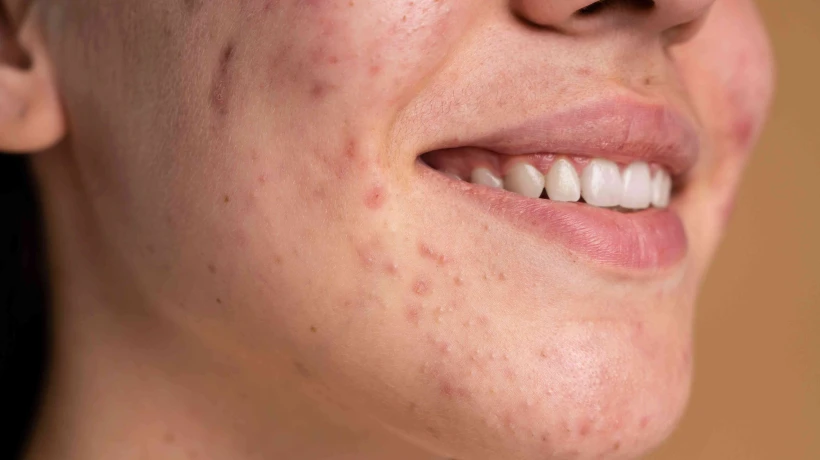
Acne can return even after your skin has improved because treatment often controls breakouts rather than permanently eliminating the factors that trigger them. This guide explains common reasons acne keeps coming back, including hormonal changes, clogged pores, irritating skincare products, inconsistent treatment, and stopping maintenance therapy too soon. Learn how a tailored acne treatment plan can help control recurring breakouts and prevent new acne.
Clearing acne once can feel like a victory, but when breakouts keep returning, it can be frustrating. If you have tried multiple skincare products or treatments without lasting improvement, the issue may be that the underlying triggers have not been identified or managed. Finding the right acne treatment in Noida starts with understanding why your acne keeps coming back.

What Causes Acne to Keep Coming Back?
1. The Underlying Cause Has Not Been Addressed
Many over-the-counter acne products focus on reducing visible breakouts, excess oil, or clogged pores. While these products may help manage symptoms, they may not address factors such as hormonal changes, excessive oil production, inflammation, or the tendency of pores to become blocked. If these factors remain active, acne can recur after treatment is stopped.
2. Hormonal Fluctuations Can Trigger Recurring Acne
Hormonal changes are a common contributor to persistent or recurring acne, particularly in women. Breakouts may become more noticeable around the menstrual cycle or during other periods of hormonal change. Conditions such as PCOS can also be associated with acne in some individuals. In these situations, skincare alone may not be sufficient, and the underlying hormonal factors may need to be evaluated.
3. Treatment Is Stopped Too Early
Another common reason acne returns is stopping treatment as soon as the skin starts to improve. Acne often requires consistent treatment and, in some cases, maintenance therapy to reduce the likelihood of new breakouts. Stopping prescribed medication or changing the treatment plan without medical guidance may allow acne to return.
4. Diet and Lifestyle Factors May Contribute
Diet and lifestyle do not cause acne in everyone, but certain factors may contribute to breakouts in susceptible individuals.
-
Diet: Some studies suggest that high-glycemic foods and certain dairy products may be associated with acne in some people.
-
Stress: Ongoing stress may influence hormonal and inflammatory pathways that can contribute to acne flare-ups.
-
Sleep: Poor or irregular sleep may affect overall skin health and can make it harder to maintain consistent skincare and treatment routines.
Can Using Too Many Acne Products Make Breakouts Worse?
Using multiple acne products at the same time does not necessarily lead to faster results. Excessive exfoliation, frequent product switching, or combining several potentially irritating active ingredients can disrupt the skin barrier and cause redness, dryness, or irritation. This can make acne-prone skin more difficult to manage.
A simple, consistent routine based on your skin type and prescribed treatment plan is often more useful than continuously adding new products.
Why Is a Dermatologist's Evaluation Important for Recurring Acne?
A dermatologist looks beyond the visible pimples to identify factors that may be contributing to recurring acne. The assessment may consider your acne pattern, skin type, menstrual or hormonal history when relevant, previous treatments, medications, lifestyle factors, and the presence of acne marks or scars.
Based on the assessment, your dermatologist can recommend an appropriate treatment plan and explain how long you may need to continue treatment or maintenance care.
How Can Recurring Acne Be Managed Long-Term?
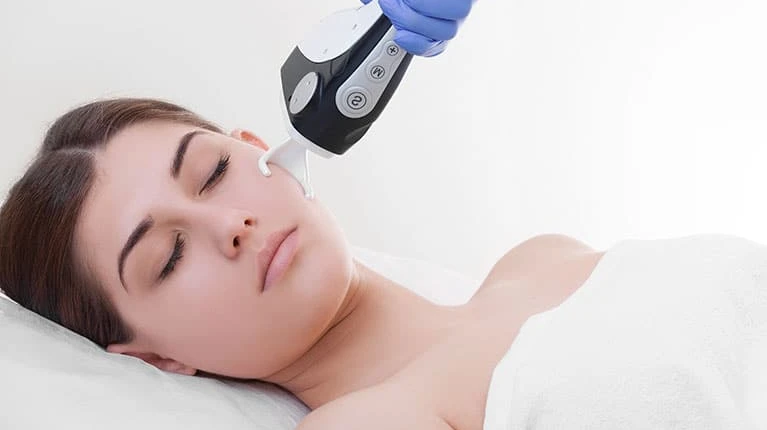
Long-term acne management usually involves more than treating individual breakouts. Depending on the type and severity of acne, treatment may include topical medications, oral medications, hormonal management when appropriate, professional procedures, or a combination of approaches.
Following the recommended treatment schedule and avoiding unnecessary changes to your routine can also help maintain improvement. Your treatment plan may need to be adjusted over time as your skin responds.
Conclusion
Recurring acne does not necessarily mean that your previous treatment failed. Acne can come back when underlying triggers such as hormonal fluctuations, excess oil production, clogged pores, inflammation, or inconsistent treatment remain active.

At Arcane Clinic, the best skin clinic in Noida, Dr. Radha Sharma evaluates the factors contributing to recurring breakouts and develops a personalized approach based on your skin concerns and acne type. If you are looking for acne treatment in Noida, a professional assessment can help you understand the cause of recurring acne and the treatment options available.
Book a consultation with Dr. Radha Sharma at Arcane Clinic to discuss your recurring acne concerns.
Comments
Login to Comment