Why Bespoke Corporate Gifts Create Lasting Brand Recall
17 Feb, 2026
7353 Views 0 Like(s)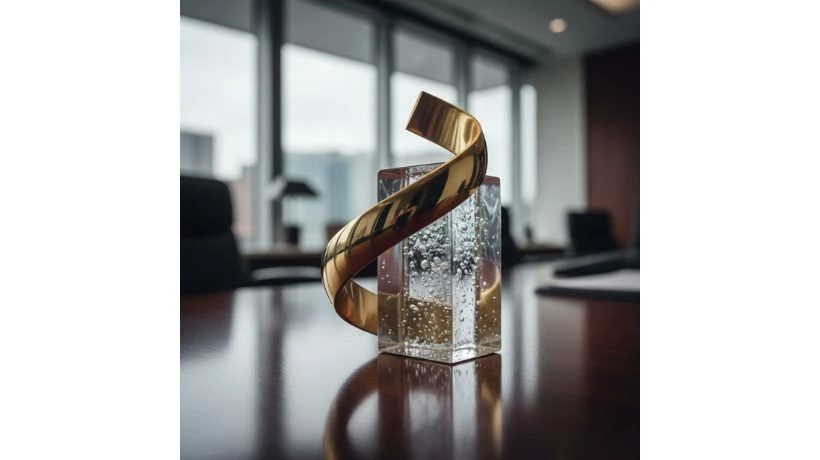
Bespoke corporate gifts create lasting brand recall by building emotional connections, reinforcing brand identity, and leaving a memorable impression that strengthens client loyalty and long-term business relationships.
Custom corporate gifts stay in recipients' minds longer because they break through the noise of forgettable branded merchandise. When a gift reflects genuine thought and quality craftsmanship, the giver's brand becomes associated with those same qualities.
Generic promotional items end up in drawers or trash bins. Thoughtfully designed custom pieces sit on desks, get used regularly, and spark conversations for years.
The Brand Recall Problem Most Companies Face
Companies spend significant budgets on corporate gifting programs that produce minimal results.
The typical approach involves ordering bulk items with logos stamped on them. Pens, mugs, USB drives, and calendars flood offices every quarter. Recipients receive dozens of similar items from various vendors and partners.
The result is brand invisibility. When everything looks the same, nothing registers. Your logo on a generic item competes with twenty other logos on identical items sitting in the same drawer.
This is wasted money disguised as relationship building.
What Actually Creates Memory
Brand recall depends on distinctiveness and emotional response. Neuroscience research shows that memories form more strongly when experiences are unique and personally relevant.
Bespoke corporate gifts succeed on both counts.
A custom piece stands out because it looks different from mass produced alternatives. It triggers emotional response because the recipient recognizes that thought and effort went into its selection.
These factors combine to create memory stickiness. The gift becomes memorable, and by extension, so does the brand behind it.
Quality Association Transfer
Here is where the real brand value lies.
When someone receives a beautifully crafted custom item, they unconsciously transfer quality perceptions to the giving organization. The logic is simple: a company that puts this much care into a gift probably puts similar care into their products and services.
This association works automatically. The recipient does not analyze it. They simply begin viewing your brand through a lens of quality and attention to detail.
The opposite also applies. Cheap, poorly made gifts create negative associations. Your brand becomes linked with cutting corners and prioritizing cost over quality.
Practical Visibility Advantages
Custom gifts earn their place in visible locations.
A distinctive handcrafted desk piece stays on display where the recipient sees it daily. Colleagues and visitors notice it. Conversations happen about where it came from.
Compare this to branded pens that disappear into drawers or tote bags that go home and never return.
Bespoke corporate gifts generate ongoing impressions without additional marketing spend. Each day the item remains visible, your brand receives passive reinforcement.
The Conversation Trigger Effect
Unique gifts start discussions that generic items never will.
Nobody asks about the origin of a standard branded notebook. But an unusual custom piece prompts questions: Where did you get that? Who gave you this?
Each question creates an opportunity for your brand story to spread. The recipient becomes an inadvertent ambassador, sharing the context of the gift and their positive impression of your organization.
This word of mouth exposure has significant value. It comes with built in credibility because it originates from peer conversation rather than advertising.
Context Matching for Maximum Impact
The most effective custom gifts connect to specific relationships or occasions.
A gift commemorating a successful project completion carries more meaning than a random holiday present. An item reflecting a recipient's known interests shows attention that generic gifts cannot demonstrate.
This context matching multiplies brand recall because the gift becomes linked to positive memories and experiences.
Industry Specific Considerations
Different sectors require different approaches to custom gifting.
Professional services.
Clients expect sophistication. Gifts should reflect high standards the firm claims to uphold.
Technology companies.
Creative or innovative gifts reinforce brand identity. Functional items that solve problems align with company purpose.
Manufacturing and industrial.
Quality craftsmanship in gifts mirrors commitment to production excellence.
Financial services.
Classic, timeless pieces suggest stability and longevity. Trend driven items may feel inconsistent with brand positioning.
Measuring the Return
Tracking gifting program effectiveness requires attention to relationship outcomes.
Monitor client retention rates among those who receive custom gifts versus those who do not. Track referral sources to identify whether gifted contacts generate more introductions.
Survey recipients about brand perceptions before and after significant gifting moments. Pay attention to social sharing when distinctive gifts generate online mentions.
These metrics help justify investments and inform future program decisions.
Implementation Realities
Creating an effective custom gifting program requires upfront investment.
Time is the first cost. Identifying appropriate items for different recipient categories takes research and planning. Production of custom pieces requires longer lead times than ordering standard promotional products.
Budget considerations shift from quantity to quality. Fewer recipients may receive gifts, but each gift carries more impact than mass distributed items.
Vendor relationships matter. Finding reliable partners who can execute custom designs consistently requires vetting and ongoing management.
Conclusion
Custom corporate gifts create lasting brand recall because they stand apart from forgettable promotional clutter. They trigger stronger memory formation, transfer quality perceptions to your brand, generate ongoing visibility, and spark conversations that spread your reputation.
The investment in thoughtful customization pays returns through stronger relationships, better brand positioning, and measurable business outcomes.
Organizations serious about using gifts strategically should move away from bulk logo merchandise toward carefully considered custom pieces. The difference in recipient response and brand impact justifies the additional effort and cost.
FAQs
Q.1 How do custom corporate gifts differ from standard promotional products?
Ans: Custom gifts are designed or selected specifically for recipients based on relationship context, interests, or occasions. Promotional products are mass produced items with logos added, distributed broadly without personalization.
Q.2 What budget range works for effective custom corporate gifting?
Ans: Meaningful custom gifts typically range from $50 to $300 per item for key clients or partners. The specific budget should reflect relationship value and the impression you want to create.
Q.3 How many custom gifts should a company send annually?
Ans: Focus on quality over quantity. Most companies benefit from identifying their top 20 to 50 relationships for custom treatment rather than spreading thin budgets across hundreds of recipients.
Q.4 When is the best time to send corporate gifts?
Ans: Avoid crowded holiday periods when gifts get lost in the shuffle. Project completions, contract anniversaries, or unexpected moments create stronger impact than predictable seasonal gifting.
Q.5 How can smaller companies compete with larger competitors in corporate gifting?
Ans: Smaller companies can excel here. With fewer key relationships to manage, they can invest more thought and budget per recipient, creating more memorable experiences than large companies sending generic bulk items.



Comments
Login to Comment