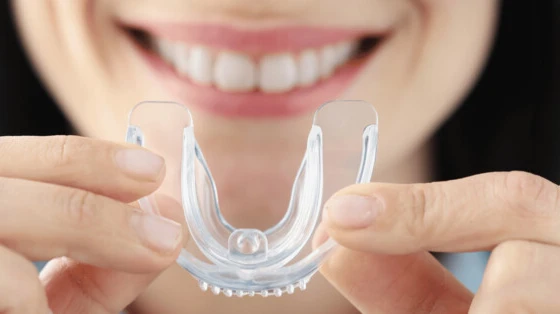
Which Mouth Guards Offer the Best Dental Protection?

The best dental protection comes from choosing a guard that matches the reason it is being worn, fits securely, feels comfortable, and is made from suitable durable material.
Protecting your teeth from grinding, clenching, accidental impact, and sports-related injuries is an important part of maintaining long-term oral health. The right guard can create a protective barrier between the upper and lower teeth while helping reduce unnecessary pressure on the jaw. Choosing Mouth Guards in Dubai starts with understanding how different types work and which option best suits your daily needs. From custom-fitted designs to ready-made alternatives, each type offers different levels of comfort, durability, and protection.

Understanding Different Types of Mouth Guards

Not every mouth guard provides the same level of protection. The material, fit, thickness, and intended purpose can significantly influence how well it performs. Some designs are made primarily for nighttime teeth grinding, while others are created to absorb impact during physical activities.

Custom-Fitted Mouth Guards

Custom-fitted guards are designed around the individual's dental structure. Because they provide a closer fit, they are generally more comfortable and stable than loose-fitting alternatives. A properly fitted guard can stay securely in position while speaking, sleeping, or participating in certain activities.

For people who regularly grind or clench their teeth during sleep, a well-fitted design can provide a useful protective layer. It may help reduce direct tooth-to-tooth contact and minimize the effects of repeated pressure.

Boil-and-Bite Mouth Guards

Boil-and-bite guards are softened in warm water and then shaped around the teeth. They offer a more personalized fit than basic stock guards and are widely available for recreational sports and general protection.

However, the quality of the fit can depend on how accurately the material adapts to the teeth. They may also become uncomfortable if they lose their shape or are not molded correctly.

Stock Mouth Guards

Stock guards come pre-formed and are generally ready to use without customization. They are convenient, but their fixed shape may not correspond closely to every person's mouth.

Because they can feel bulky or loose, some users may find them less comfortable for extended wear. A poor fit can also make talking and breathing more difficult during physical activities.

What Makes a Mouth Guard Protective?

A good mouth guard should do more than simply cover the teeth. Its construction and fit can influence its protective performance.

Proper Fit and Stability

A guard that stays securely in place is less likely to move around during use. A stable fit can make it easier to breathe and communicate while also maintaining consistent coverage of the teeth.

Appropriate Thickness

Thickness matters because the guard needs enough material to absorb or distribute pressure. However, excessively thick designs may feel uncomfortable and interfere with normal mouth movement. The ideal thickness depends on the intended purpose and individual requirements.

Durable Materials

High-quality materials can withstand repeated biting pressure and everyday use. A durable guard should maintain its shape rather than becoming thin, cracked, or distorted quickly.

Choosing the Right Protection for Your Needs

The best choice depends largely on why protection is needed. Someone who participates in contact sports may require a different design from someone who experiences nighttime grinding. Likewise, children, teenagers, and adults may have different fit and comfort requirements.

During the selection process, Dynamic Clinic can be part of the discussion when considering suitable oral protection options and understanding how fit, comfort, and intended use affect the choice. Paying attention to these factors can make regular use easier and more effective.

For athletes, a secure guard that permits comfortable breathing and communication can be particularly valuable. For nighttime users, comfort and retention become especially important because the device may remain in the mouth for several hours.

How to Care for Your Mouth Guard

Proper maintenance can help extend the useful life of a mouth guard. After wearing it, rinse it with cool or lukewarm water and allow it to dry completely before storing it. Avoid exposing the material to very hot water because excessive heat may alter its shape.

Store the guard in a ventilated protective case when it is not being used. Regularly inspect it for cracks, tears, rough edges, discoloration, or changes in fit. If noticeable deterioration develops, replacing the guard may be necessary.

When Should a Mouth Guard Be Replaced?

Even a durable guard does not last forever. Frequent grinding, biting, sports impact, and everyday handling can gradually wear down the material. A guard that becomes damaged or uncomfortable may no longer provide the same level of protection.

Changes in the teeth or bite can also affect how comfortably a guard fits. Regularly checking its condition helps ensure that it continues to perform its intended function.

Final Thoughts

The best dental protection comes from choosing a guard that matches the reason it is being worn, fits securely, feels comfortable, and is made from suitable durable material. Custom-fitted options often provide greater personalization, while boil-and-bite and stock designs may offer convenient alternatives for particular situations. Whether the goal is protecting teeth during sports or reducing the effects of nighttime grinding, selecting appropriate Mouth Guards in Dubai can support better everyday dental protection. With proper care, regular inspection, and the right fit, Mouth Guards can become a practical part of a long-term oral protection routine.