When Erection Problems Keep Happening: Recognising Signs and Getting Support
21 Sep, 2026
9 Views 0 Like(s)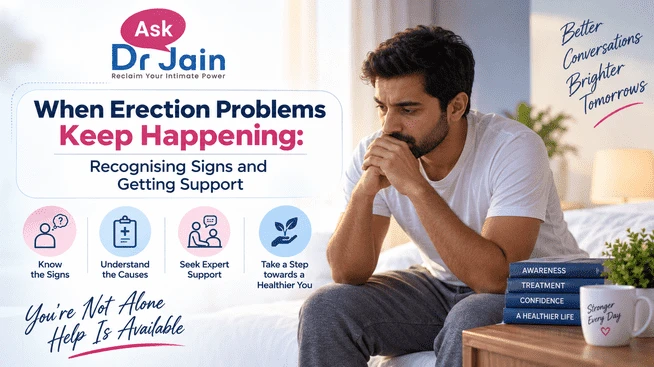
Repeated erection difficulties can have several underlying causes. Explore common symptoms, health considerations, and how a professional consultation may help guide the next steps.
When Erection Problems Keep Happening: Recognising Signs and Getting Support
Sexual wellbeing can influence confidence, relationships, and quality of life. For some men, repeated erection difficulties become a source of worry, particularly when they are unsure why the problem is happening. Understanding the signs of erectile dysfunction and knowing when to seek professional guidance can make the subject easier to approach.
Erectile dysfunction is not always caused by one specific problem. It can involve physical health, emotional wellbeing, medication effects, lifestyle habits, or several factors working together. Learning about these possibilities can help individuals prepare for a meaningful discussion with a healthcare professional.
Recognising the Signs
Erectile dysfunction generally refers to ongoing difficulty achieving or maintaining an erection suitable for sexual activity. Some individuals find it difficult to achieve an erection, while others can initially achieve one but lose it before or during sexual activity.
Changes in sexual desire may occur alongside erectile difficulties, although reduced libido and erectile dysfunction are not the same condition. A person may have sexual desire but still experience difficulty getting an erection.
The frequency and circumstances of symptoms can provide useful information. For example, difficulties may happen in particular situations or occur more consistently. This information can help a clinician understand what further evaluation may be appropriate.
Why Erection Difficulties Can Occur
An erection depends on a coordinated response involving the nervous system, blood circulation, hormones, and psychological arousal. If one or more parts of this process are affected, erectile function may change.
Physical contributors can include diabetes, high blood pressure, high cholesterol, cardiovascular disease, hormonal concerns, and neurological conditions. Certain medicines and previous surgeries may also influence erectile function.
Psychological contributors include stress, performance anxiety, depression, and relationship difficulties. Worry about sexual performance may create a cycle in which anxiety makes it harder to relax and respond to sexual stimulation.
Lifestyle habits may also play a role. Smoking can affect blood vessel health, while excessive alcohol consumption may interfere with sexual function. Physical inactivity and inadequate sleep can affect overall health and may contribute to sexual difficulties.
Understanding the Connection With General Health
Erectile function is closely connected to blood flow and nerve signalling. For this reason, persistent erection problems may sometimes occur alongside broader health concerns.
Men with diabetes or cardiovascular risk factors should discuss ongoing erectile difficulties with a healthcare professional. A clinician can assess whether additional health checks are appropriate.
This does not mean that every episode of erectile difficulty indicates a serious medical condition. Temporary problems can happen for many reasons. The important consideration is whether symptoms are recurring, persistent, or accompanied by other changes in health.
What Happens During a Medical Consultation?
A consultation usually begins with a discussion about symptoms and medical history. A healthcare professional may ask when the problem began, how frequently it happens, whether sexual desire has changed, and whether there are relevant health conditions or medicines.
Depending on the situation, an examination or laboratory tests may be recommended. These can help assess possible contributing factors, such as blood sugar levels or hormonal concerns.
Patients can prepare by writing down their symptoms, current medicines, and questions before the appointment. Sharing information honestly helps the clinician understand the situation more clearly.
Treatment Depends on the Underlying Cause
There is no single treatment that is appropriate for every person experiencing erectile dysfunction. Management depends on the underlying cause, general health, preferences, and any possible medication interactions.
Some individuals may benefit from improving cardiovascular health through physical activity, smoking cessation, and management of existing conditions. Others may need medical treatment, psychological counselling, or further specialist evaluation.
Medicines used for erectile dysfunction require appropriate assessment. They may not be suitable for people taking certain medicines, including nitrates. Unregulated products and self-prescribed treatments should be avoided because their ingredients and safety may be uncertain.
Emotional Wellbeing and Relationships
Erection difficulties can create frustration or concern for individuals and their partners. Open communication can help reduce misunderstandings and create space for supportive conversations.
It is important to remember that erectile dysfunction does not automatically reflect a lack of attraction or affection. Physical and psychological factors can influence sexual function even when a relationship is healthy.
Professional counselling may be helpful when anxiety, emotional stress, or relationship concerns are contributing to the problem.
Exploring Sexual Health Services
AskDrJain provides information and consultation services related to men's sexual health, including erectile dysfunction. Individuals seeking guidance can review the available information and consider whether a consultation is appropriate for their circumstances.
For further reading, visit the Erectile Dysfunction Causes, Symptoms, and Risk Factors article.
Conclusion
Repeated erection difficulties deserve a thoughtful and informed approach. Recognising symptoms, understanding possible causes, and discussing concerns with a qualified healthcare professional can help individuals identify appropriate next steps.
Sexual health concerns are common reasons to seek medical advice. A confidential, respectful conversation can help people better understand their health without unnecessary embarrassment or self-blame.



Comments
Login to Comment