Planning for Parenthood: Key Factors That Influence Male Reproductive Health
21 Sep, 2026
10 Views 0 Like(s)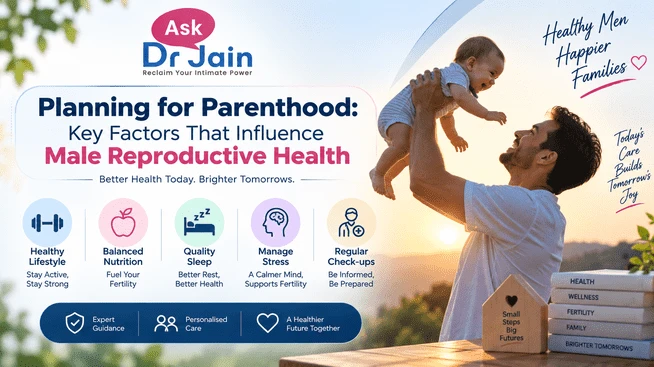
Male reproductive health involves more than sperm count alone. Learn about sperm quality, medical conditions, lifestyle considerations, and fertility testing when planning for parenthood.
Planning for Parenthood: Key Factors That Influence Male Reproductive Health
Planning for pregnancy often encourages couples to learn more about reproductive health. While fertility discussions frequently focus on female health, male reproductive health is also an important part of conception.
Sperm production, sperm movement, hormonal balance, and the health of the reproductive system can all influence male fertility. Lifestyle habits and certain medical conditions may also affect reproductive function.
Understanding these factors can help men take a more informed approach to their health before and during the process of trying to conceive.
Male Fertility Is More Than Sperm Count
Sperm count is one measurement used to evaluate male fertility, but it does not provide the complete picture.
A semen analysis commonly evaluates sperm concentration, total sperm number, movement, and shape. These characteristics provide information about sperm health and may help clinicians identify potential fertility concerns.
Sperm motility refers to the ability of sperm to move effectively. Sperm morphology refers to their shape and structure. These measurements are considered alongside the medical history and other relevant findings.
Even when semen results fall within a laboratory's reference range, pregnancy is not guaranteed. Similarly, an abnormal result does not automatically mean that natural conception is impossible.
How Sperm Production Works
Sperm are produced in the testicles through a process called spermatogenesis. This process is regulated by hormonal signals involving the brain and reproductive system.
The testicles need an appropriate environment for sperm production. Hormonal disorders, certain medical conditions, and exposure to some harmful substances can interfere with this process.
Sperm production occurs continuously, but the development and maturation process takes several weeks. For this reason, changes in lifestyle or medical treatment may require time before their effects can be assessed.
Medical Conditions That May Affect Fertility
Male fertility can be influenced by a variety of medical conditions. Hormonal disorders may affect the signals required for sperm production. Varicocele, a condition involving enlarged veins in the scrotum, may be associated with impaired sperm production in some individuals.
Certain infections, genetic conditions, previous surgeries, and medical treatments can also influence reproductive function.
Some medications may affect sperm production or sexual function. Men taking prescription medicines should not stop treatment on their own. Instead, they should discuss possible reproductive effects with the prescribing healthcare professional.
Everyday Habits and Sperm Health
General health habits can play a role in reproductive wellbeing. A balanced diet, regular physical activity, sufficient sleep, and avoiding tobacco support overall health.
Maintaining a healthy weight may be beneficial for some men because obesity and metabolic conditions can be associated with hormonal changes and reproductive difficulties.
Excessive alcohol consumption and smoking may negatively affect reproductive health. Men should also be cautious about anabolic steroids and non-prescribed testosterone products, which can suppress natural sperm production.
No particular food, drink, or supplement can guarantee improved fertility. Products marketed as fertility boosters should be reviewed carefully, particularly when their ingredients or claims are unclear.
Nutrition and a Balanced Diet
A varied diet containing vegetables, fruits, whole grains, legumes, nuts, and appropriate protein sources can help meet general nutritional needs.
Micronutrients such as zinc, folate, selenium, and vitamins C and E contribute to normal biological processes. However, taking extra supplements does not necessarily improve sperm count if a person is not deficient.
A healthcare professional or registered dietitian can help identify nutritional needs and determine whether supplementation is appropriate.
Stress and Emotional Wellbeing
Trying to conceive can create emotional pressure for individuals and couples. Concerns about fertility may affect relationships, sleep, and general wellbeing.
Stress does not explain every case of infertility, and men should not blame themselves when conception takes longer than expected. However, emotional wellbeing remains an important part of reproductive health.
Open communication between partners, supportive routines, and professional counselling when needed may help couples navigate fertility concerns.
When Should a Man Consider Fertility Testing?
A semen analysis may be recommended when a couple has difficulty conceiving or when a man has a medical history that could affect fertility.
Testing may also be appropriate when there is a history of reproductive surgery, hormonal concerns, testicular conditions, or other relevant medical factors.
A clinician may recommend additional tests depending on the results. These can include hormone testing, physical examination, or further investigations to identify potential causes.
Fertility assessment should consider both partners when appropriate, because conception depends on several factors affecting reproductive health.
Understanding Available Support
AskDrJain provides information and consultation services related to male reproductive health, including low sperm count. Individuals can explore the available resources to understand possible concerns and learn about consultation options.
For more information about lifestyle factors and sperm health, visit the How to Increase Sperm Count Naturally: Lifestyle and Diet Tips guide.
Conclusion
Male fertility involves sperm production, sperm quality, hormonal function, reproductive health, and general wellbeing. Healthy daily habits can support overall health, but they cannot replace medical evaluation when fertility concerns persist.
Learning about reproductive health and seeking appropriate guidance can help individuals and couples make informed decisions while planning for parenthood.



Comments
Login to Comment