What Should You Know Before Choosing the Right Mouthguard?
05 Nov, 2026
17 Views 0 Like(s)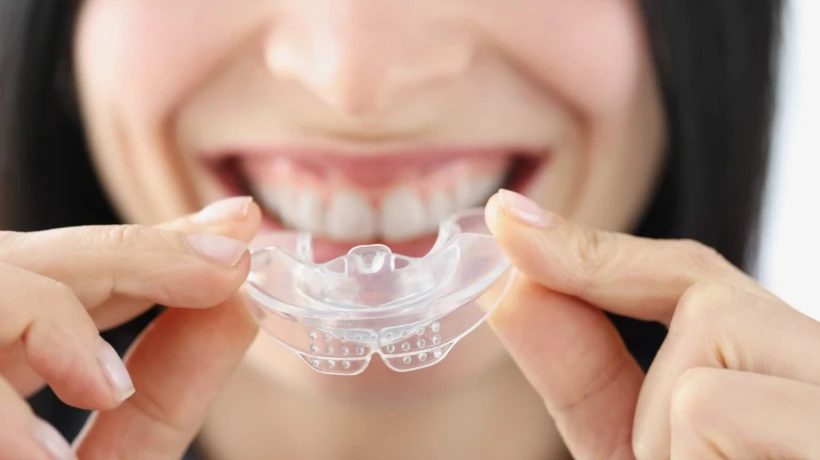
Mouthguards are an essential protective consideration for contact sport players of all experience levels. From preventing chipped teeth to reducing injuries to
Contact sports are exciting, competitive, and physically demanding, but they also expose athletes to unexpected dental injuries. Whether playing football, rugby, basketball, hockey, or martial arts, protecting the teeth and jaw should always be part of an athlete's safety routine. Mouthguards in Dubai are an important consideration for athletes who want to reduce the risk of chipped teeth, broken teeth, lip injuries, and other oral trauma. Although some players believe mouthguards are only necessary for professional athletes, the reality is that anyone participating in contact sports can benefit from this simple protective device.
Why Are Mouthguards Important in Contact Sports?
Contact sports involve physical interaction, sudden movements, accidental collisions, and occasional falls. Even experienced players cannot completely prevent unexpected impacts during a match. A blow to the face can damage teeth, injure the gums, or affect the jaw.
Mouthguards create a protective barrier between the upper and lower teeth while cushioning some of the impact from external forces. They help distribute pressure and reduce direct contact between the teeth and soft tissues.
Protection Against Dental Injuries
One of the main purposes of a mouthguard is to protect natural teeth from trauma. A sudden collision can cause a tooth to crack, chip, loosen, or become completely displaced. Mouthguards help lower the likelihood of these injuries by providing an additional protective layer.
Reducing Lip and Cheek Injuries
During physical activities, athletes may accidentally bite their lips, cheeks, or tongue. This can happen when the jaw closes suddenly after an impact. A properly fitted mouthguard helps separate the teeth from delicate oral tissues, reducing the risk of cuts and bruising.
Does Every Contact Sport Player Need a Mouthguard?
Yes, mouthguards are strongly recommended for athletes participating in contact and collision sports. However, the level of protection required may depend on the sport, playing position, intensity, and likelihood of facial impact.
For example, rugby and hockey players frequently experience physical collisions, making mouth protection particularly important. Football players may also face accidental contact during tackles, while martial arts athletes need protection against direct strikes.
Sports Where Mouthguards Are Highly Recommended
Several sports create situations where dental injuries can occur unexpectedly, including:
- Football: Tackling and accidental collisions can expose players to facial injuries.
- Rugby: Frequent physical contact increases the risk of dental trauma.
- Hockey: Sticks, pucks, and player collisions can cause serious oral injuries.
- Basketball: Elbow contact, falls, and player collisions can damage teeth.
- Boxing and martial arts: Direct strikes to the face make mouth protection essential.
- Wrestling: Physical grappling can result in accidental impacts to the mouth and jaw.
Even recreational players should consider mouth protection because dental injuries are not limited to professional competitions.
What Types of Mouthguards Can Athletes Choose?
Not every mouthguard offers the same fit, comfort, or level of protection. Choosing an appropriate option is important for athletes who want to maintain safety without affecting their performance.
Stock Mouthguards
Stock mouthguards are ready-made products available in standard sizes. They can be used immediately but may not fit every athlete comfortably. Some designs can feel bulky and make breathing or speaking more difficult.
Boil-and-Bite Mouthguards
These mouthguards are softened in hot water and then shaped around the teeth by biting into the material. They generally provide a better fit than standard stock options when prepared correctly.
Custom-Fitted Mouthguards
Custom-fitted mouthguards are created using impressions or digital scans of an individual's teeth. They offer a personalized fit, improved comfort, and better retention during physical activity.
Athletes who train regularly or participate in high-impact sports may find custom-fitted options particularly beneficial.
How Can Mouthguards Improve Athletic Performance?
Although mouthguards are primarily designed for protection, comfort and fit can also influence an athlete's sporting experience.
A properly fitted mouthguard allows players to concentrate on their movements rather than constantly adjusting uncomfortable dental equipment. It can also make communication easier compared with poorly fitting alternatives.
Supporting Comfort and Confidence
Athletes perform better when they feel prepared and protected. Knowing that their teeth have an additional layer of protection may help reduce concerns about accidental dental injuries.
However, mouthguards should not be considered a guarantee against every facial or jaw injury. They are one component of a broader sports safety routine.
How Should Athletes Maintain Their Mouthguards?
Proper cleaning and storage help maintain mouthguard hygiene, condition, and effectiveness. Since mouthguards remain inside the mouth, they can collect saliva, bacteria, and food particles.
Athletes should follow these simple care practices:
- Rinse the mouthguard with cool water after every use.
- Clean it regularly using a suitable toothbrush and mild soap.
- Allow it to dry before placing it inside its protective case.
- Store it away from direct sunlight and excessive heat.
- Avoid sharing mouthguards with teammates.
- Inspect it regularly for cracks, tears, or changes in shape.
A mouthguard should also be replaced when it becomes damaged, uncomfortable, or no longer fits properly. Growing children and teenagers may need replacements more frequently as their teeth and jaws develop.
When Should an Athlete Consult a Dental Professional?
Athletes should seek dental guidance when selecting a mouthguard, especially if they have braces, missing teeth, dental restorations, or an unusual bite. A dental professional can assess their oral condition and recommend an appropriate protective option.
Regular dental examinations are also important because existing dental problems may affect the comfort and suitability of a mouthguard.
Conclusion
Mouthguards are an essential protective consideration for contact sport players of all experience levels. From preventing chipped teeth to reducing injuries to the lips and cheeks, they provide valuable protection during demanding physical activities. Whether someone participates in rugby, football, hockey, boxing, or recreational sports, choosing a comfortable and properly fitted mouthguard can make a meaningful difference. Ultimately, protecting oral health should be just as important as wearing helmets, pads, and other sports safety equipment. Athletes who make mouth protection part of their regular routine can enjoy their favorite activities with greater confidence and awareness of dental safety.

Comments
Login to Comment