What Mistakes Should You Avoid When Painting Bathroom Vanity Cabinets
01 Apr, 2026
3377 Views 0 Like(s)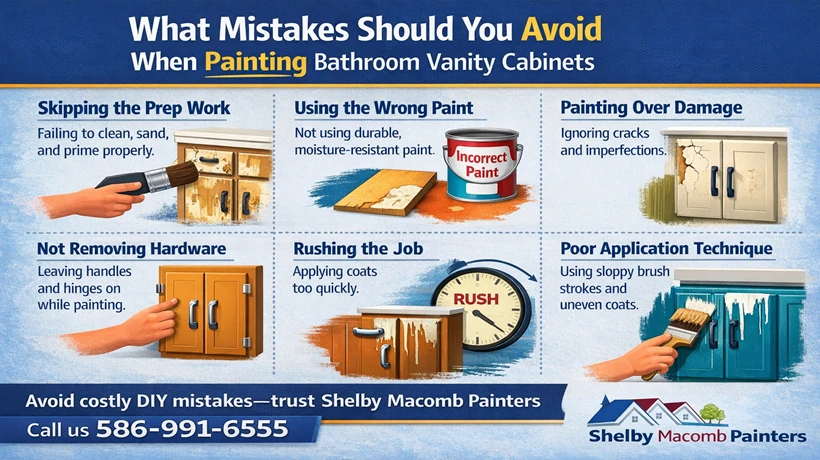
Avoid common errors in painting bathroom vanity cabinets and learn how commercial interior painting insights improve results
A bathroom vanity often becomes a focal point, and a fresh coat of paint may completely change its appearance. While the idea sounds simple, painting bathroom vanity cabinets involves careful steps that influence durability and finish. A small oversight may lead to peeling paint, uneven texture, or a finish that fades faster than expected.
Many homeowners approach this task with enthusiasm, yet a lack of preparation or the wrong materials may affect results. Understanding common mistakes helps you achieve a smooth and lasting finish without unnecessary setbacks.
Skipping Proper Surface Preparation
Preparation shapes the entire outcome of a painting project. When surfaces are not cleaned or sanded correctly, paint struggles to adhere properly. Grease, moisture, and residue often build up on bathroom cabinets, and ignoring them may cause premature peeling.
Professionals who handle commercial interior painting projects focus heavily on preparation because it defines long term results. The same principle applies here, where thorough cleaning and sanding create a strong base for paint.
Ignoring the Importance of Primer
Primer builds a foundation that enhances adhesion and color consistency. Skipping this step may save time initially, yet it often leads to uneven coverage and reduced durability.
When working on painting bathroom vanity cabinets, primer becomes especially important for glossy or previously painted surfaces. It helps new paint bond effectively and improves the final finish.
Choosing the Wrong Type of Paint
Not all paints suit bathroom environments. High humidity and frequent use demand a durable and moisture resistant finish. Selecting a standard wall paint may result in quick wear and visible damage.
Insights from commercial interior painting projects show that high traffic areas need specialized coatings. Bathroom cabinets benefit from paints designed for durability and easy cleaning.
Rushing the Drying Process
Drying time plays a critical role in achieving a flawless finish. Applying additional coats too soon may lead to streaks, smudges, or peeling. Patience ensures each layer sets properly before the next application.
During painting bathroom vanity cabinets, allowing adequate drying time between coats supports a smooth and professional look. It also enhances the longevity of the paint job.
Overlooking Hardware Removal
Leaving handles and knobs in place during painting may create uneven edges and visible brush marks. Removing hardware allows better access and cleaner lines.
Professionals in commercial interior painting often remove fixtures before starting work to maintain precision. This approach ensures a refined and polished appearance.
Using Poor Quality Tools
Brushes and rollers directly impact the final texture. Low quality tools may leave streaks, lint, or uneven layers. Investing in reliable tools improves consistency and finish.
For painting bathroom vanity cabinets, high quality brushes help achieve smooth edges and reduce visible marks. This small choice makes a noticeable difference in the outcome.
Applying Thick Coats of Paint
Applying thick layers may seem efficient, yet it often leads to drips and uneven drying. Thin, even coats provide better control and a smoother finish.
Lessons from commercial interior painting highlight the importance of layering. Multiple thin coats build durability and create a more refined appearance.
Neglecting Ventilation During Painting
Proper airflow supports drying and reduces exposure to fumes. Working in a poorly ventilated space may affect both the finish and comfort during the project.
While painting bathroom vanity cabinets, keeping windows open or using fans helps maintain air circulation. It also supports faster and more even drying.
Skipping Final Sealing or Protection
A protective topcoat adds durability and resistance to moisture and wear. Ignoring this step may leave cabinets vulnerable to scratches and stains.
Professionals in commercial interior painting often apply protective coatings in high use areas. Bathroom cabinets benefit from a similar approach to maintain their appearance over time.
Conclusion
A well painted vanity enhances both style and function, yet achieving that result requires attention to detail at every stage. From preparation to finishing, each step influences the final outcome. Avoiding common mistakes in painting bathroom vanity cabinets helps you create a durable and polished look that lasts.
Experience drawn from commercial interior painting practices reinforces the importance of precision, patience, and proper materials. With the right approach, your bathroom cabinets may reflect quality craftsmanship and thoughtful execution.



Comments
Login to Comment