What is Salicylic Acid Peel Treatment?
15 Oct, 2026
17 Views 0 Like(s)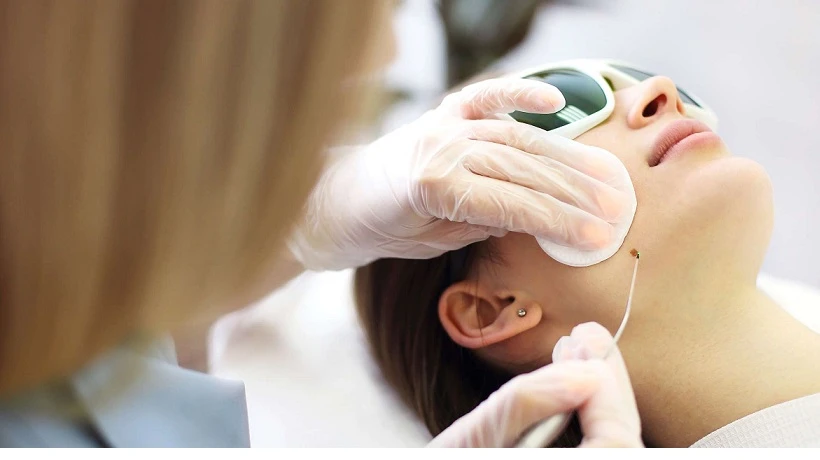
Salicylic acid peel treatment helps unclog pores, reduce acne, control excess oil, and improve skin texture for a clearer, smoother complexion.
Salicylic acid peel treatment is a chemical exfoliation procedure designed to improve skin texture, unclog pores, and reduce acne-related concerns. It uses salicylic acid, a beta-hydroxy acid (BHA) that can penetrate oil within the pores and help remove accumulated dead skin cells. People exploring تقشير البشرة بحمض الساليسيليك في دبي may consider this treatment to address blackheads, whiteheads, excess oil, and uneven skin texture. The appropriate peel strength depends on the individual’s skin condition, sensitivity, and treatment goals.
How Does Salicylic Acid Peel Treatment Work?
Salicylic acid helps loosen the connections between dead skin cells, allowing them to shed more easily. Because it is oil-soluble, it can also help clear material from pores that contributes to blackheads and certain types of acne.
During a professional treatment, a trained skin-care professional applies a controlled formulation to cleansed skin. The solution remains on the skin for a specific period before being removed or managed according to the product protocol.
As the skin recovers, mild dryness or flaking may occur. The treatment can gradually improve the appearance of congested pores and uneven texture. Results vary depending on the formulation, skin condition, and number of sessions recommended. Salicylic acid peels are not a permanent cure for acne and may be combined with other treatments as part of a personalized skin-care plan.
What Skin Concerns Can It Address?
Salicylic acid peel treatment is commonly considered for several skin concerns.
-
Acne and blemishes: It can help reduce clogged pores associated with some acne breakouts.
-
Blackheads and whiteheads: Exfoliation helps remove accumulated dead skin cells and excess oil.
-
Oily skin: The treatment may improve the appearance of oil-congested skin.
-
Uneven skin texture: Removing surface buildup can make the skin feel smoother.
-
Post-acne marks: It may help improve some superficial discoloration left after blemishes, although results vary.
-
Dull-looking skin: Exfoliation can support a fresher-looking complexion.
A consultation is important to determine whether a salicylic acid peel is suitable for the concern being treated. Deep acne scars, persistent pigmentation, and severe acne may require other approaches or a combination of treatments.
What Happens During a Salicylic Acid Peel Session?
A professional session generally involves the following steps:
-
Skin assessment: The practitioner reviews skin type, current concerns, medical history, medications, and previous reactions to exfoliating products.
-
Cleansing: The skin is cleaned to remove makeup, oil, and surface impurities.
-
Application: The selected salicylic acid formulation is applied carefully to the treatment area.
-
Monitoring: The practitioner observes the skin and follows the appropriate application time and product instructions.
-
Removal and soothing: The solution is removed or managed according to its protocol, and suitable skin-care products may be applied.
-
Aftercare guidance: The patient receives instructions about cleansing, moisturizing, sun protection, and products to avoid temporarily.
Mild tingling or stinging may occur during treatment. Strong or persistent burning should be reported immediately.
What Are the Benefits of Salicylic Acid Peel Treatment?
One of the main benefits is its ability to target pore congestion. By helping loosen dead skin cells and excess oil, salicylic acid can improve the appearance of blackheads and some acne breakouts.
Other potential benefits include smoother skin texture, less visible congestion, and gradual improvement in certain superficial acne marks. The treatment can also be incorporated into a broader skin-care plan for people who experience recurring clogged pores.
However, outcomes are not identical for everyone. A peel may improve selected concerns without eliminating acne completely or removing deep scars. A qualified practitioner can explain realistic expectations and whether another treatment may be more appropriate.
Who Is a Suitable Candidate?
People with oily or acne-prone skin, blackheads, whiteheads, and clogged pores may be potential candidates. Suitability depends on skin sensitivity, the condition being treated, and the strength of the peel.
The treatment may not be appropriate for people with an active skin infection, significant irritation, or a known allergy to salicylates. Anyone who is pregnant, taking isotretinoin or other relevant medication, or managing a skin condition should discuss this with a qualified clinician before treatment. Medication-related precautions depend on the individual circumstances and the proposed procedure.
A professional assessment is particularly important for people prone to pigmentation changes or those with darker skin tones, because irritation can sometimes lead to temporary or persistent discoloration.
How Should You Care for Your Skin After Treatment?
Aftercare helps protect the skin while it recovers. Recommendations may vary according to the peel’s strength and the skin’s response.
-
Use a gentle cleanser and a suitable moisturizer.
-
Apply broad-spectrum sunscreen daily and limit unnecessary sun exposure.
-
Avoid picking, scratching, or pulling away peeling skin.
-
Pause exfoliating acids, retinoids, scrubs, and other potentially irritating products for the period advised by the practitioner.
-
Avoid waxing or other irritating skin procedures until the skin has recovered.
-
Contact a clinician if you experience severe pain, blistering, swelling, or worsening irritation.
Temporary redness, dryness, tightness, and flaking are possible. Recovery time depends on the peel and the individual. Follow the specific aftercare instructions provided rather than applying additional exfoliating products to speed up results.
Frequently Asked Questions:
Is salicylic acid peel treatment good for acne?
It may help with certain types of acne, especially when clogged pores, blackheads, and whiteheads are prominent. Moderate or severe acne may need additional medical treatment.
How many sessions are needed?
The number of sessions depends on the skin concern, peel strength, and response to treatment. A practitioner can recommend an appropriate schedule after assessing the skin.
Does the treatment hurt?
Some people experience mild tingling, stinging, or warmth. The intensity varies. Strong or persistent discomfort should be reported to the practitioner.
Is peeling guaranteed after treatment?
No. Some people experience visible flaking, while others notice little peeling. The absence of visible peeling does not necessarily mean the treatment has failed.
Can salicylic acid peels cause side effects?
Possible side effects include redness, dryness, irritation, and peeling. Less commonly, complications such as burns, infection, or changes in skin pigmentation can occur, particularly when a peel is unsuitable or incorrectly applied.
Can I use my usual skin-care products afterward?
Not immediately in every case. You may need to pause retinoids, exfoliating acids, and other irritating products temporarily. Follow the practitioner’s instructions about when to restart them.
Conclusion:
Salicylic acid peel treatment is a professional exfoliation option that can help improve clogged pores, blackheads, certain acne breakouts, and uneven skin texture. Its suitability depends on skin type, medical history, and treatment goals. A qualified skin-care professional can assess the skin, explain potential benefits and risks, and recommend an appropriate treatment plan. Anyone considering تقشير البشرة بحمض الساليسيليك في دبي should prioritize a personalized assessment and consistent aftercare to support safe, realistic results.

Comments
Login to Comment