What Is a Significant Data Fiduciary Under DPDP Act?
23 Apr, 2026
1941 Views 0 Like(s)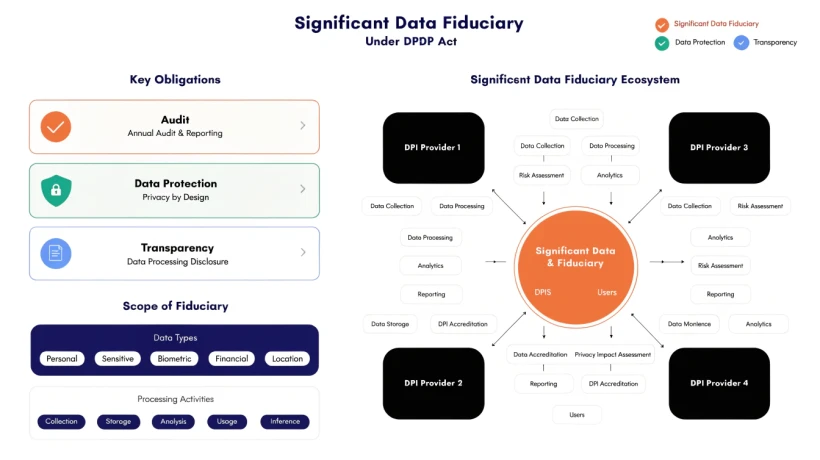
With the rise of digital ecosystems in India, data protection has become a top priority for businesses. The Digital Personal Data Protection (DPDP) Act, 2023 introduces a structured framework to ensure that personal data is handled responsibly.
With the rise of digital ecosystems in India, data protection has become a top priority for businesses. The Digital Personal Data Protection (DPDP) Act, 2023 introduces a structured framework to ensure that personal data is handled responsibly. One of the most important concepts under this law is the Significant Data Fiduciary (SDF).
Understanding who qualifies as a Significant Data Fiduciary, their responsibilities, and the distinction between Data Processors vs Data Fiduciaries is essential for compliance. In this blog, we break down these concepts in a simple, practical way and explain how solutions like digital anumati can help organizations stay compliant.
What Is a Data Fiduciary Under the DPDP Act?
A Data Fiduciary is any entity—individual, company, or organization—that determines:
-
The purpose of collecting personal data
-
The means of processing that data
In simple terms, if your business decides why and how personal data is used, you are a Data Fiduciary.
Examples include:
-
E-commerce platforms collecting customer details
-
Healthcare providers managing patient records
-
Fintech apps processing financial data
What Is a Significant Data Fiduciary (SDF)?
A Significant Data Fiduciary is a special category of Data Fiduciary identified by the government based on risk factors.
Organizations may be classified as SDFs based on:
-
Volume of personal data processed
-
Sensitivity of data (financial, health, biometric)
-
Risk to user rights
-
Impact on national security
-
Use of advanced technologies like AI
Being classified as an SDF means stricter compliance requirements and higher accountability.
Understanding Data Processors vs Data Fiduciaries
A key concept in data protection is the difference between Data Processors vs Data Fiduciaries.
Data Fiduciary
-
Decides purpose and means of processing
-
Responsible for compliance
-
Directly accountable under the DPDP Act
Data Processor
-
Processes data on behalf of the Data Fiduciary
-
Does not decide purpose
-
Acts based on instructions
Example:
If an e-commerce company collects customer data, it is the Data Fiduciary.
If it uses a cloud provider to store that data, the provider is a Data Processor.
Understanding Data Processors vs Data Fiduciaries is critical because liability primarily lies with the Data Fiduciary, even when third parties are involved.
Key Obligations of a Significant Data Fiduciary
Once classified as an SDF, organizations must follow additional compliance requirements:
1. Appointment of a Data Protection Officer (DPO)
SDFs must appoint a DPO who:
-
Ensures compliance with the DPDP Act
-
Acts as a contact point for users and regulators
2. Conduct Data Protection Impact Assessments (DPIA)
SDFs are required to assess risks before processing sensitive data.
3. Regular Data Audits
Independent audits must be conducted to ensure compliance and identify risks.
4. Enhanced Security Measures
Stronger technical and organizational safeguards must be implemented.
5. Record-Keeping and Transparency
Maintain detailed documentation of:
-
Data processing activities
-
Consent records
-
Breach incidents
Penalties for Non-Compliance
Failure to comply with SDF obligations can result in heavy penalties under the DPDP Act.
Penalties may include:
-
Monetary fines (which can go up to crores depending on severity)
-
Regulatory actions
-
Restrictions on data processing
Ignoring the distinction between Data Processors vs Data Fiduciaries can also lead to compliance failures and increased liability.
Why Understanding Roles Matters
Misunderstanding Data Processors vs Data Fiduciaries can create serious compliance gaps.
For example:
-
If a Data Fiduciary assumes a processor is responsible for compliance, it may fail audits
-
Poor vendor management can lead to data breaches
-
Lack of clarity can delay incident response
Clear role definition ensures:
-
Better accountability
-
Stronger data governance
-
Reduced risk of penalties
Role of digital anumati in DPDP Compliance
Managing compliance manually is complex, especially for organizations handling large volumes of data. This is where digital anumati becomes essential.
digital anumati helps organizations:
1. Consent Management
Easily collect, store, and manage user consent in compliance with DPDP requirements.
2. Role Clarity
Clearly define and manage responsibilities between Data Processors vs Data Fiduciaries.
3. Audit Trails
Maintain detailed logs for transparency and regulatory audits.
4. Risk Management
Identify vulnerabilities and ensure compliance with SDF obligations.
5. Faster Response
Streamline processes for handling data requests and breaches.
By using digital anumati, organizations can reduce compliance risks and operate more efficiently.
Steps to Become DPDP Compliant as an SDF
If your organization qualifies as a Significant Data Fiduciary, follow these steps:
Step 1: Identify Your Role
Understand whether you are a Data Fiduciary or Data Processor.
Step 2: Map Data Flows
Track how personal data is collected, stored, and processed.
Step 3: Implement Security Measures
Use encryption, access controls, and monitoring systems.
Step 4: Establish Governance Framework
Appoint a DPO and define compliance processes.
Step 5: Use Compliance Tools
Adopt solutions like digital anumati for streamlined operations.
Common Mistakes to Avoid
Organizations often make these mistakes:
-
Ignoring SDF classification risks
-
Confusing Data Processors vs Data Fiduciaries
-
Poor consent management
-
Lack of documentation
-
Weak vendor agreements
Avoiding these errors can significantly reduce compliance risks.
Future of Data Protection in India
The DPDP Act marks a major shift in India’s data protection landscape. Going forward:
-
More organizations will be classified as SDFs
-
Enforcement will become stricter
-
Users will demand greater transparency
Businesses that invest in compliance early will have a competitive advantage.
Conclusion
The concept of a Significant Data Fiduciary under the DPDP Act introduces a higher level of accountability for organizations handling large volumes of personal data. Understanding the difference between Data Processors vs Data Fiduciaries is crucial for ensuring compliance and avoiding penalties.
With stricter regulations and increasing user awareness, businesses must adopt proactive strategies. Leveraging solutions like digital anumati can simplify compliance, improve transparency, and reduce risks.
In today’s digital world, data protection is not just a legal requirement—it is a foundation for trust and long-term success.
FAQs:
1. What is a Significant Data Fiduciary?
A Significant Data Fiduciary is an organization classified by the government based on the volume and sensitivity of data it processes and the risks involved.
2. What is the difference between Data Processors vs Data Fiduciaries?
Data Fiduciaries decide how and why data is processed, while Data Processors handle data on their behalf.
3. Who is responsible for compliance under the DPDP Act?
The Data Fiduciary is primarily responsible, even when using third-party processors.
4. What are the key obligations of an SDF?
They include appointing a DPO, conducting audits, performing risk assessments, and ensuring strong data security.
5. Can small businesses be classified as SDFs?
Yes, if they process sensitive data or pose a high risk to user rights.
6. How can digital anumati help with compliance?
digital anumati helps manage consent, maintain audit trails, and ensure alignment with DPDP regulations.


Comments
Login to Comment