The Science Behind Spice Essential Oil and Its Healing Properties
23 Apr, 2026
1967 Views 1 Like(s)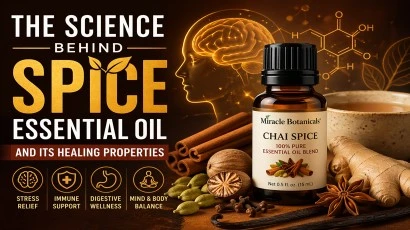
Discover how spice essential oil works at a scientific level to support stress relief, immunity, and overall wellness. Learn the benefits of natural blends from Miracle Botanicals Essential Oils and how they enhance mind and body balance naturally.
Spices have been used in traditional medicine systems for centuries, but modern science is now uncovering the biochemical mechanisms that explain their effectiveness. When concentrated into essential oils, these plant compounds become even more potent. A spice essential oil is not just aromatic—it is a complex mixture of active molecules that interact with the body at a cellular level.
What Is a Spice Essential Oil?
A spice essential oil is derived from aromatic plant parts such as bark, seeds, or roots. In blends inspired by chai traditions, multiple spices are combined to create a synergistic effect. For example, a chai-inspired blend typically contains compounds from cardamom, cinnamon, clove, nutmeg, ginger, and vanilla, offering a warm and slightly sweet aroma profile.
These oils are extracted using methods like steam distillation or CO₂ extraction, preserving bioactive compounds responsible for their therapeutic properties.
Key Bioactive Compounds and Their Roles
1. Phenols and Antioxidants
Many spice oils, especially clove and cinnamon, are rich in phenolic compounds. These molecules act as antioxidants, helping neutralize free radicals in the body. Antioxidants play a crucial role in reducing oxidative stress, which is linked to aging and chronic conditions.
2. Terpenes and Anti-Inflammatory Effects
Terpenes found in cardamom and ginger contribute to anti-inflammatory responses. Research shows that compounds in ginger, for instance, may reduce inflammation and support respiratory health.
3. Aldehydes and Antimicrobial Activity
Cinnamon contains cinnamaldehyde, a compound known for its antimicrobial properties. This explains why spice-based blends are often used for purifying environments and supporting immune health.
The Synergy of Blended Oils
What makes a chai-inspired formulation unique is synergy—the combined effect of multiple oils working together. A well-crafted blend integrates complementary compounds that enhance each other’s effects.
For instance:
-
Clove stimulates circulation and metabolism
-
Ginger supports digestion and immunity
-
Cardamom aids detoxification and respiratory function
-
Nutmeg contributes calming and mood-enhancing effects
When combined, these compounds produce a broader therapeutic impact than individual oils used alone.
How Aromatherapy Works Scientifically
Aromatherapy is not just about pleasant scents—it involves direct interaction with the nervous system. When inhaled, aromatic molecules travel through the olfactory system to the brain’s limbic region, which regulates emotions, memory, and stress responses.
This is why warm, spicy blends are often associated with comfort and relaxation. The inhalation of volatile compounds can influence neurotransmitters, helping reduce anxiety and promote a sense of well-being.
Physiological Effects on the Body
1. Stress Reduction
Warm spice aromas have been shown to create calming effects by influencing cortisol levels. The comforting scent profile can help the body shift from a stress response to a relaxed state.
2. Improved Circulation
Spices like cinnamon and clove are known for their warming properties, which may stimulate blood flow and improve circulation when used in diluted topical applications.
3. Digestive Support
Traditional uses of chai spices align with modern findings. Ginger and cardamom are widely recognized for aiding digestion and reducing discomfort.
4. Immune System Support
Many spice-derived compounds exhibit antimicrobial and antiviral activity, helping the body defend against pathogens.
The Role of Purity and Extraction
Not all essential oils are equal. The effectiveness of any spice essential oil depends heavily on its purity and extraction method. High-quality oils are free from synthetic additives, pesticides, and fillers, ensuring that the therapeutic compounds remain intact.
This is why sourcing from trusted providers like Miracle Botanicals Essential Oils is important, as they emphasize clean extraction and authentic plant sourcing.
Traditional Wisdom Meets Modern Science
The use of spice-based oils has roots in Ayurveda and other traditional healing systems. These practices emphasized balance—using warming spices to stimulate energy, improve digestion, and support overall vitality.
Modern science now validates many of these traditional claims by identifying the active compounds responsible for these effects. This convergence of ancient knowledge and scientific research strengthens the credibility of these natural remedies.
Practical Applications
A spice-based blend can be used in several ways:
-
Diffusion: Creates a calming and uplifting environment
-
Topical Use (diluted): Supports circulation and muscle relaxation
-
Massage Therapy: Enhances relaxation and reduces tension
-
Seasonal Wellness: Helps maintain comfort during colder months
These applications highlight how versatile such blends can be in daily routines.
Why Quality Blends Matter
A thoughtfully crafted blend, like those offered by Miracle Botanicals Essential Oils, combines multiple plant extracts to maximize benefits. Instead of relying on a single compound, these blends deliver a full-spectrum approach to wellness.
The inclusion of ingredients such as cinnamon bark, clove bud, and ginger ensures a balance between stimulating and soothing effects, making the oil suitable for both relaxation and revitalization.
Conclusion
The science behind spice-based essential oils reveals a fascinating interplay of chemistry and biology. From antioxidant activity to nervous system support, these oils offer measurable benefits backed by both traditional use and modern research.
A well-formulated spice essential oil blend harnesses the power of multiple botanicals, delivering a holistic approach to wellness that goes beyond fragrance. By understanding the science behind these oils, users can make more informed choices and integrate them effectively into their daily lives.
FAQs
1. What makes spice-based essential oils different from other oils?
They are derived from warming spices and contain compounds like phenols and terpenes that offer antioxidant and anti-inflammatory benefits.
2. Can these oils help with stress relief?
Yes, their aromatic compounds interact with the brain’s limbic system, promoting relaxation and emotional balance.
3. Are spice oils safe for skin application?
They should always be diluted with a carrier oil before topical use to avoid irritation.
4. How do these oils support immunity?
Many spice compounds have antimicrobial properties that help protect against harmful microbes.
5. What is the best way to use a chai-inspired blend?
Diffusion is one of the most effective methods, as it allows the aromatic compounds to interact directly with the nervous system.



Comments
Login to Comment