What Is a Gas Hob and How Is It Different From a Gas Stove?
15 Sep, 2026
22 Views 0 Like(s)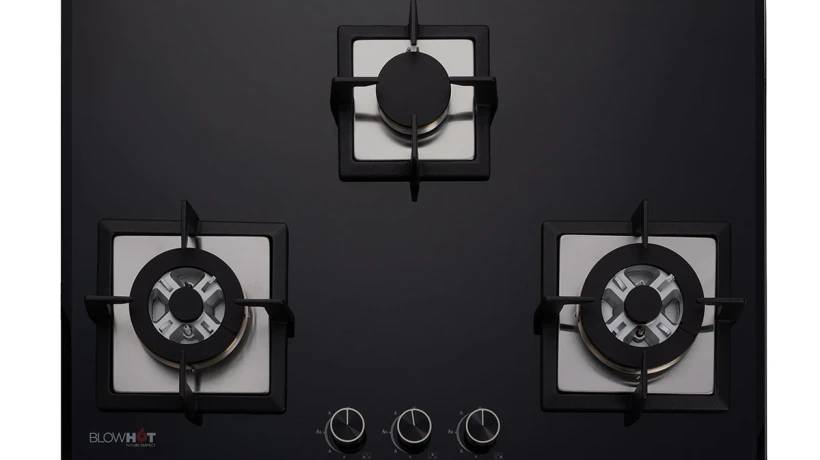
Learn what a gas hob is, how it differs from a traditional gas stove, and which option may better suit your kitchen, cooking style, installation needs, and maintenance preferences.
When designing or upgrading a modern kitchen, choosing the right cooking appliance can make a significant difference in convenience, appearance, and everyday cooking. Among the popular options available today, Gas Hobs have become increasingly common in contemporary kitchens. While a gas hob and a traditional gas stove both use gas as a fuel source, their design, installation, functionality, and overall cooking experience can be quite different.
Understanding these differences can help homeowners select an appliance that suits their kitchen layout, cooking habits, and preferences.
What Is a Gas Hob?
A gas hob is a cooking appliance designed with burners integrated into a flat countertop surface. Instead of standing as a separate unit on the kitchen platform, a built-in gas hob is generally installed within a cutout in the countertop. This creates a streamlined appearance and allows the cooking surface to become part of the overall kitchen design.
Gas hobs typically feature multiple burners in different sizes. The variation in burner sizes allows users to select an appropriate flame for different cooking requirements. A smaller burner may be suitable for simmering or preparing smaller quantities, while a larger burner can provide the heat required for boiling, frying, or cooking with larger utensils.
Many modern gas hobs also incorporate features such as integrated ignition, sturdy pan supports, flame controls, and heat-resistant surfaces. These features are intended to make regular cooking more convenient while maintaining a clean and organized kitchen appearance.
What Is a Traditional Gas Stove?
A traditional gas stove is usually a standalone appliance that can be placed directly on a kitchen countertop. It has its own base, burners, pan supports, and controls, making it relatively straightforward to install and move when necessary.
Gas stoves are widely used because they are familiar, practical, and available in various burner configurations. They can be particularly convenient for kitchens where permanent countertop modification is not preferred.
Unlike a built-in hob, a countertop gas stove does not normally require a dedicated cutout. It can simply be positioned on a suitable platform and connected to the gas supply according to installation requirements.
Gas Hob vs Gas Stove: Key Differences
Although both appliances provide a gas flame for cooking, several characteristics distinguish them from one another.
1. Installation
The biggest difference is installation. A built-in gas hob is fitted into the kitchen countertop, creating an integrated appearance. Proper measurements and professional installation are generally required.
A traditional gas stove is placed on top of the counter and does not require the same type of built-in installation. This makes it easier to replace or reposition.
2. Kitchen Appearance
Gas hobs are often selected for modern kitchens because their integrated design creates a clean and contemporary look. With the cooking surface sitting flush with the countertop, the overall kitchen can appear more streamlined.
A conventional gas stove has a raised structure and therefore has a more traditional appearance. However, modern gas stoves are also available in stylish designs and finishes.
3. Cleaning and Maintenance
The flat surface around a gas hob can make wiping the countertop and cooking area relatively convenient. However, cleaning still depends on the specific surface material, burner design, pan supports, and food spills.
Traditional gas stoves have a raised base, which can create additional areas where food particles and grease may accumulate. Removable components such as pan supports and burner parts generally need regular cleaning.
Regardless of the appliance type, allowing spills and grease to build up can affect appearance and maintenance, so routine cleaning is important.
4. Flexibility
A countertop gas stove generally offers greater flexibility because it can be moved or replaced without modifying the kitchen counter.
A built-in gas hob is more integrated into the kitchen. Once installed, changing its position can require additional countertop work. Therefore, the dimensions and layout should be considered carefully before installation.
5. Cooking Experience
Both gas hobs and gas stoves provide direct flame cooking, allowing users to adjust the heat according to the requirements of a recipe. The actual cooking performance depends on factors such as burner design, flame distribution, cookware, and the appliance's specifications.
Gas hobs can offer a more integrated cooking environment, particularly when several burners are used simultaneously. The arrangement of burners can also provide convenient access to different-sized cookware.
Which One Should You Choose?
The choice between a gas hob and a gas stove depends largely on your kitchen design and cooking requirements. A gas hob can be a suitable option for homeowners creating a modern, built-in kitchen and looking for an integrated cooking surface. It may particularly appeal to those who prioritize countertop aesthetics and a contemporary appearance.
A traditional gas stove can be a practical choice when flexibility and straightforward installation are more important. It can also work well in kitchens where modifying the countertop is not desirable.
Before purchasing either appliance, consider the available countertop space, number of burners required, cookware size, gas connection, cleaning requirements, and installation specifications. Checking the manufacturer's instructions and using qualified professionals for installation can also help ensure safe and proper operation.
Conclusion
A gas hob and a gas stove perform the same basic function providing a gas flame for cooking but they differ considerably in design and installation. Gas hobs are integrated into the countertop and are commonly associated with contemporary kitchen layouts, while traditional gas stoves remain flexible, easy to position, and familiar to many households.
Understanding these differences makes it easier to select the right cooking appliance based on your kitchen configuration, cooking style, maintenance preferences, and long-term requirements. Whether you prefer the streamlined appearance of a built-in hob or the flexibility of a conventional stove, choosing an appliance that fits your kitchen and everyday cooking needs is the most important consideration.



Comments
Login to Comment