How Does Rhinoplasty Correct Nasal Asymmetry?
07 Nov, 2026
26 Views 0 Like(s)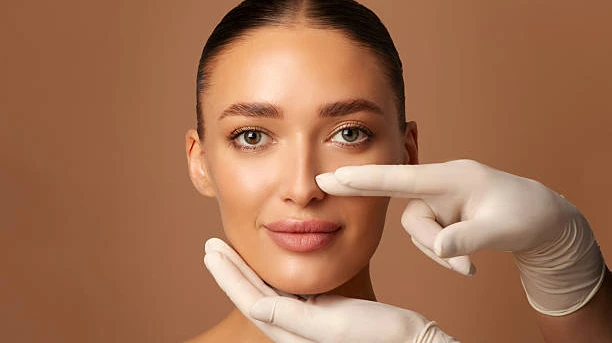
Explore Rhinoplasty in Riyadh to improve nose shape, balance facial features, and address structural concerns through a personalized surgical approach tailored
Nasal asymmetry occurs when one side of the nose looks different from the other, creating an uneven or unbalanced appearance. It may involve a crooked bridge, an uneven nasal tip, different nostril shapes, or a nose that appears shifted to one side. Some people are naturally born with these features, while others develop asymmetry following an injury or changes during facial growth. Rhinoplasty in Riyadh (عملية تجميل الانف في الرياض) is a surgical option that can address selected structural irregularities and improve the overall balance of the nose.
The nose plays an important role in facial proportions, and even small differences between its sides can become noticeable from the front or side. Through Rhinoplasty in Riyadh, a qualified surgeon can assess the nasal bones, cartilage, septum, and surrounding tissues to identify the cause of asymmetry. The treatment plan is customized because different types of unevenness require different surgical techniques. The aim is to create a more balanced appearance while maintaining proper nasal support and breathing function.
What Is Nasal Asymmetry?
Nasal asymmetry refers to differences in the shape, position, or proportions of the two sides of the nose. It can be subtle or more noticeable, depending on the underlying structure.
Common forms of nasal asymmetry include:
-
A nasal bridge that curves or leans to one side.
-
A tip that points slightly left or right.
-
Nostrils that differ in size or shape.
-
Uneven nasal cartilage.
-
A nasal base that appears wider on one side.
-
A nose that looks off-centre in relation to the rest of the face.
Not all asymmetry requires treatment. Minor differences are common, and perfect symmetry is not a realistic expectation because natural facial features are rarely identical on both sides.
What Causes an Asymmetrical Nose?
Several factors can contribute to an uneven nasal appearance. Identifying the cause is important because the surgical approach depends on which structures are involved.
Genetics and Natural Development
Some individuals naturally develop a nose with uneven bone or cartilage structures. Differences may become more noticeable as the face grows and matures.
Nasal Injuries
A fracture or other injury can change the position of the nasal bones and cartilage. Even an injury that occurred years earlier may contribute to a crooked nasal bridge or uneven tip.
Deviated Nasal Septum
The septum is the internal structure that separates the two nasal passages. When it bends or shifts to one side, it may contribute to an uneven external appearance and sometimes cause breathing difficulties.
Cartilage Differences
Uneven cartilage shape or positioning can affect the nasal tip, nostrils, and overall contour. These differences may be natural or related to previous injuries or surgery.
Previous Rhinoplasty
In some cases, asymmetry may remain or develop after an earlier nose operation because of healing differences, scar tissue, or changes to the nasal framework.
How Does Rhinoplasty Correct Nasal Asymmetry?
Rhinoplasty can improve nasal symmetry by reshaping or repositioning the structures responsible for unevenness. The exact method depends on the patient's anatomy and whether the issue involves bone, cartilage, the septum, or soft tissue.
Straightening the Nasal Bridge
When the upper nose is crooked, the surgeon may carefully adjust the nasal bones to improve alignment. Controlled bone repositioning, known as osteotomy, may be used in selected cases.
This can help create a straighter appearance from the front while maintaining appropriate structural support.
Reshaping the Nasal Tip
An uneven tip may result from differences in the lower lateral cartilages. The surgeon can reshape or reposition these structures to improve the tip's alignment and contour.
The procedure must be carefully planned to avoid weakening the cartilage that supports the nasal tip.
Correcting Uneven Nostrils
If the nostrils differ in width or shape, selected adjustments to the surrounding tissue may help create better proportions. In some cases, alar base modification may be considered.
The surgeon evaluates the nostril openings and the position of the nasal base before recommending any changes.
Adjusting the Nasal Septum
When a deviated septum contributes to asymmetry or breathing problems, septal correction may be performed as part of the treatment plan. This can help improve internal alignment and airflow when the septum is responsible for the obstruction.
Supporting Weak or Uneven Cartilage
Cartilage grafts may be used in selected cases to reinforce weak areas or improve structural balance. The source of graft material depends on the patient's anatomy and surgical requirements.
Can Rhinoplasty Correct a Crooked Nose?
Yes. Rhinoplasty can improve the appearance of many crooked noses by adjusting the nasal bones, cartilage, or septum. However, the approach depends on the cause and severity of the deviation.
Some crooked noses involve only the external nasal framework, while others also have internal septal deviation. A complete assessment is important because correcting the visible shape without considering internal structures may not address all concerns.
The surgeon also evaluates the relationship between the nose and the rest of the face. This helps establish realistic goals and avoid excessive correction.
Open vs. Closed Rhinoplasty for Nasal Asymmetry
Both open and closed rhinoplasty may be used to address asymmetry. The most suitable approach depends on the extent of correction required.
Open Rhinoplasty
Open rhinoplasty involves a small incision across the columella, the tissue between the nostrils. It provides the surgeon with a direct view of the underlying nasal structures.
This approach may be considered when detailed adjustments to the tip, cartilage, or multiple nasal areas are needed.
Closed Rhinoplasty
Closed rhinoplasty uses incisions inside the nostrils. The surgeon works through these openings to make selected structural changes.
It may be appropriate for certain cases where the required corrections can be completed without an external incision.
Neither technique is automatically better. The surgeon recommends an approach based on nasal anatomy, surgical goals, and the complexity of the procedure.
Who Is a Suitable Candidate for Nasal Asymmetry Correction?
People who are concerned about an uneven nasal appearance may consider a consultation with a qualified rhinoplasty surgeon.
Potential candidates generally:
-
Have completed most of their facial growth.
-
Are in suitable overall health for surgery.
-
Have a specific concern about nasal alignment or shape.
-
Have realistic expectations about possible improvements.
-
Understand the potential risks and recovery requirements.
-
Can follow preoperative and postoperative instructions.
Patients with previous nasal injuries, breathing difficulties, or earlier nose surgery should share these details during their consultation.
What Results Can You Expect After Rhinoplasty?
The purpose of asymmetry correction is to improve balance and alignment rather than create a perfectly identical appearance on both sides. Depending on the original nasal structure, patients may notice a straighter bridge, a more centred tip, or better-proportioned nostrils.
Results vary according to bone structure, cartilage strength, skin thickness, healing patterns, and the complexity of the correction. Some asymmetry may remain because of natural facial differences or limitations in the underlying anatomy.
A surgeon should explain the realistic outcome before surgery and discuss whether more than one procedure could be necessary in complex cases.
Recovery After Nasal Asymmetry Correction
Recovery takes place gradually. Swelling, bruising, temporary congestion, and discomfort may occur during the initial healing period. A splint may be used to protect and support the nose.
Patients are generally advised to:
-
Avoid pressure or accidental impact to the nose.
-
Follow the surgeon's wound-care instructions.
-
Avoid strenuous exercise until medically cleared.
-
Attend scheduled follow-up appointments.
-
Avoid blowing the nose unless permitted.
-
Follow guidance about sleeping positions and wearing glasses.
Initial swelling usually improves over the first few weeks, but subtle changes can continue for several months. The final shape becomes clearer as the tissues settle.
Book a Rhinoplasty Consultation at Royal Clinic Saudia
If you are concerned about a crooked or uneven nose, a professional assessment can help identify the cause and possible treatment options. At Royal Clinic Saudia (عيادات رويال كلينك), you can discuss your concerns, receive an evaluation of your nasal structure, and learn about suitable surgical approaches. A qualified specialist can explain how Rhinoplasty in Riyadh may help improve nasal balance while considering breathing function and structural support.
FAQs:
Can rhinoplasty make a crooked nose completely straight?
Rhinoplasty can improve nasal alignment, but perfect symmetry cannot always be achieved. The final result depends on the underlying bone and cartilage structure, skin characteristics, and healing response.
Can nasal asymmetry cause breathing problems?
It can, particularly when a deviated septum or other internal structural issue narrows one or both nasal passages. An examination can help determine whether the asymmetry is affecting airflow.
Can rhinoplasty correct uneven nostrils?
In selected cases, rhinoplasty may improve nostril differences through carefully planned adjustments to the nasal base and surrounding tissues. The appropriate technique depends on the cause of the unevenness.
How long does it take to see the results of nasal asymmetry correction?
Some improvements may become noticeable as early swelling decreases, but the nose continues to heal over several months. Final results may take a year or longer to become clear, depending on the complexity of the procedure.

Comments
Login to Comment