How Long Do Titanium Dental Implants Usually Last?
07 Nov, 2026
23 Views 0 Like(s)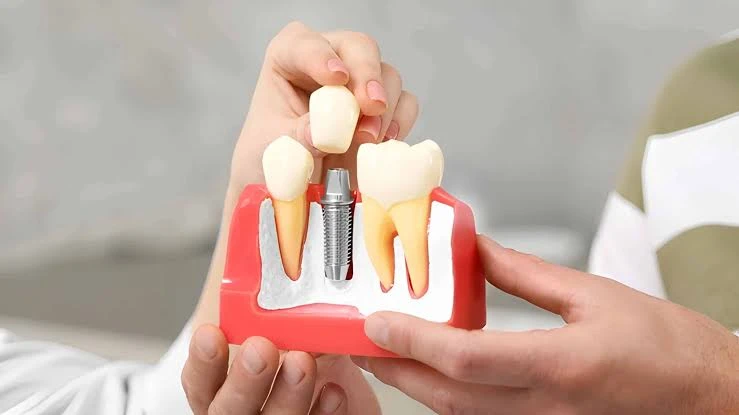
Titanium dental implants can last 20 years or longer, and many remain functional throughout a patient's lifetime with appropriate care.
Losing a tooth can affect much more than your smile. It may influence your ability to chew comfortably, speak clearly, and feel confident in everyday situations. Fortunately, modern dentistry offers reliable solutions for replacing missing teeth, and titanium dental implants are among the most trusted options. Many patients considering a Titanium Implant in Dubai want to understand how long this treatment can last and whether it provides a worthwhile long-term solution. With proper placement, good oral hygiene, and regular dental checkups, titanium implants can last for decades, making them a durable and natural-looking replacement for missing teeth.
What Is the Average Lifespan of Titanium Dental Implants?
Titanium dental implants are designed to provide long-lasting support for replacement teeth. Unlike traditional dental bridges or removable dentures, implants are placed directly into the jawbone, where they gradually integrate with the surrounding bone tissue.
In many cases, the titanium implant fixture can last 20 years or longer and may remain functional for a lifetime. However, the crown attached to the implant generally has a shorter lifespan and may require replacement over time.
Several factors influence how long an implant lasts, including:
-
The patient's oral hygiene routine.
-
Jawbone quality and density.
-
Implant placement and treatment planning.
-
Lifestyle habits, including smoking.
-
Regular professional dental care.
-
The condition of the surrounding gums.
Although implants have excellent long-term success rates, their lifespan varies from person to person.
Why Are Titanium Dental Implants So Durable?
Titanium is widely used in dentistry because of its strength, lightweight structure, and excellent compatibility with the human body. These properties make it suitable for supporting replacement teeth over extended periods.
Excellent Biocompatibility
One of the biggest advantages of titanium is its ability to work naturally with the body's tissues. Most patients tolerate titanium implants well, and the material is widely recognized for its biocompatibility.
This reduces the likelihood of adverse reactions and supports successful integration with the jawbone.
Strong Connection With the Jawbone
Titanium implants undergo a natural process called osseointegration. During this process, bone cells gradually attach to the implant surface, creating a stable foundation.
This connection helps the implant remain securely positioned while supporting everyday activities such as chewing and speaking.
Resistance to Everyday Pressure
Dental implants must withstand considerable pressure during eating and biting. Titanium offers the strength needed to handle these forces when the implant is properly positioned and maintained.
Its durability makes it a dependable option for replacing individual teeth or supporting more extensive restorations.
What Factors Can Affect the Lifespan of Dental Implants?
Even though titanium implants are designed for long-term use, certain habits and oral health conditions can affect their durability.
Poor Oral Hygiene
Plaque and bacteria can accumulate around dental implants, just as they do around natural teeth. If these deposits are not removed regularly, they may cause inflammation around the implant.
A condition known as peri-implantitis can damage the surrounding tissues and jawbone, potentially leading to implant failure.
Smoking and Tobacco Use
Smoking can interfere with the body's healing process and reduce blood circulation in the gums. It may also increase the risk of infection and complications following implant placement.
Avoiding tobacco can help improve healing and support long-term implant health.
Teeth Grinding
People who grind or clench their teeth may place excessive pressure on their dental implants. Over time, this can contribute to damage involving the crown, connecting components, or surrounding bone.
A dentist may recommend a customized night guard to protect the restoration.
Existing Health Conditions
Certain health conditions and medications can influence healing and bone health. Patients should discuss their medical history with their dental professional before undergoing implant treatment.
How Can You Make Titanium Dental Implants Last Longer?
Maintaining dental implants does not require complicated routines. However, consistency is essential for protecting the surrounding gums and supporting long-term results.
Follow a Daily Oral Hygiene Routine
Brush twice daily using a soft-bristled toothbrush and fluoride toothpaste. Pay particular attention to the areas around the implant crown, where plaque can collect.
Flossing or using specially designed interdental brushes can also help clean spaces that ordinary toothbrushes cannot reach.
Schedule Regular Dental Checkups
Professional dental examinations allow potential problems to be identified before they become serious. Your dentist can evaluate the implant, check gum health, and assess the condition of the surrounding bone when necessary.
Regular professional cleaning also helps control plaque buildup.
Avoid Harmful Eating Habits
Although titanium implants are strong, the attached crowns can still become damaged. Avoid chewing ice, biting hard objects, or using your teeth to open packaging.
A balanced diet also supports healthy gums and bones.
When Should a Titanium Dental Implant Be Replaced?
A well-maintained titanium implant fixture does not usually need routine replacement. However, certain complications may require professional attention.
Warning signs include:
-
Persistent swelling or bleeding around the implant.
-
Pain or discomfort when chewing.
-
Implant movement or unusual looseness.
-
Gum recession around the restoration.
-
Repeated infections or inflammation.
It is important to understand that a loose crown does not necessarily mean the implant itself has failed. Sometimes, only the crown or connecting component requires repair or replacement.
A dental examination can determine the exact cause and appropriate treatment.
Are Titanium Dental Implants a Good Long-Term Investment?
For many people, titanium dental implants offer a reliable solution for replacing missing teeth. Their ability to integrate with the jawbone provides stability that traditional removable options may not offer.
They also help maintain chewing function and provide support for the jawbone by transferring biting forces through the implant.
Another important advantage is that implants do not generally require neighboring healthy teeth to be reduced for support, unlike conventional dental bridges.
However, successful treatment depends on proper patient assessment, suitable bone support, professional placement, and consistent aftercare.
Conclusion
Titanium dental implants can last 20 years or longer, and many remain functional throughout a patient's lifetime with appropriate care. Their strength, biocompatibility, and ability to integrate with the jawbone make them a dependable option for replacing missing teeth. Nevertheless, their longevity depends on oral hygiene, lifestyle habits, gum health, and regular professional monitoring. Understanding these factors can help patients protect their investment and enjoy a comfortable, confident smile for many years.



Comments
Login to Comment