What Does Exosomes Therapy Do for Skin Aging?
31 Aug, 2026
523 Views 0 Like(s)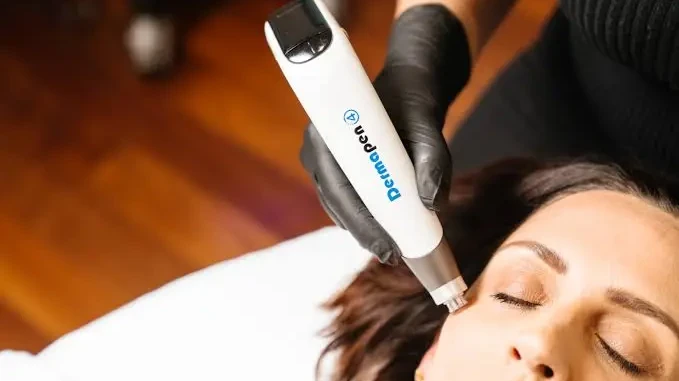
Discover how Exosomes Therapy in Abu Dhabi may support skin renewal, improve texture, boost radiance, and reduce the appearance of fine lines.
Skin aging is a natural process that can gradually change the appearance, texture, and overall quality of the skin. Fine lines, reduced firmness, uneven texture, and a dull-looking complexion may become more noticeable as the skin's renewal processes slow down. Many people therefore explore advanced aesthetic approaches designed to support healthier-looking skin. Exosomes Therapy in Abu Dhabi has gained attention as a regenerative-focused treatment because exosomes are associated with cellular communication and biological signaling that may support skin renewal.
Rather than simply focusing on the surface of the skin, exosome-based approaches are designed around the concept of supporting the skin's natural regenerative environment. This makes the treatment an area of interest for people who want to address visible signs of aging while maintaining a natural-looking appearance.
Understanding Skin Aging
Skin aging involves several gradual changes that occur within the skin. Collagen and elastin production can decline over time, while the skin's natural renewal process may become slower. These changes can contribute to fine lines, loss of firmness, rougher texture, and reduced radiance.
Environmental exposure can also influence how skin looks as it ages. Sun exposure, pollution, lifestyle factors, and repeated facial movements may contribute to visible changes over time. As the skin becomes less efficient at maintaining its structure and moisture balance, signs of aging can become increasingly apparent.
Understanding these changes helps explain why modern regenerative treatments focus on more than temporary surface improvements.
What Are Exosomes?
Exosomes are tiny extracellular vesicles involved in communication between cells. They can carry various biological molecules, including proteins, lipids, and signaling molecules. In regenerative aesthetics, their potential role in cellular communication has generated interest in supporting tissue repair and renewal.
The concept behind exosome-based skin treatments is that these signaling particles may help influence cellular activity within the treated area. Instead of functioning like a conventional cosmetic product that sits primarily on the skin's surface, exosome-based treatments are associated with biological signaling.
The exact composition and properties of exosome preparations can vary depending on how they are produced and processed. For this reason, treatment suitability and the specific approach used should be determined according to individual skin characteristics and treatment goals.
How Exosomes Therapy in Abu Dhabi Addresses Skin Aging
One of the main reasons people consider Exosomes Therapy in Abu Dhabi is its regenerative approach to visible skin aging. The treatment is intended to support the skin's natural renewal processes rather than simply masking signs of aging.
Exosomes may act as communication messengers between cells, potentially encouraging pathways associated with tissue regeneration and cellular activity. This regenerative concept is particularly relevant to aging skin, where natural repair and renewal processes may become less active.
The goal is generally to create conditions that support healthier-looking skin over time. As the skin's quality improves, concerns such as dullness, uneven texture, fine lines, and reduced firmness may become less noticeable.
Supporting Collagen and Skin Firmness
Collagen is an important structural protein that contributes to the skin's firmness and resilience. With age, collagen production naturally decreases, contributing to changes in skin structure.
Exosome-based treatments are being studied for their potential ability to influence cellular pathways involved in tissue regeneration and collagen-related activity. By supporting these processes, the treatment may contribute to a smoother and firmer-looking complexion.
This does not mean that aging can be stopped or reversed completely. Instead, the focus is on encouraging biological processes that may help improve the overall appearance and quality of aging skin.
Improving Skin Texture
Uneven texture is another common concern associated with skin aging. The surface may gradually appear rougher, less refined, or less smooth as natural cell turnover changes.
Regenerative-focused treatments such as exosome therapy aim to support cellular renewal and healthier skin function. As the skin undergoes its natural renewal cycle, its texture may appear more refined and smoother.
The degree of improvement can vary because every person's skin has different characteristics. Existing skin condition, age, treatment goals, and the specific exosome preparation used can all influence the overall outcome.
Promoting a More Radiant Appearance
Aging skin can sometimes appear dull because cellular turnover becomes slower and the complexion may lose some of its natural radiance. Improving skin renewal is therefore an important part of many skin-rejuvenation strategies.
Exosome therapy focuses on cellular signaling rather than providing only a temporary surface-level effect. Supporting renewal processes may help the complexion appear fresher and more revitalized over time.
For individuals mainly concerned with tired-looking or lackluster skin, this regenerative approach can be particularly appealing.
Addressing Fine Lines
Fine lines are among the earliest visible signs of skin aging. They can become more noticeable as collagen levels decline and the skin loses elasticity and firmness.
Exosome-based approaches may support the biological processes involved in skin regeneration and structural maintenance. With improved skin quality, fine lines may appear softer and the complexion may look smoother.
The purpose is not to create an artificial or overly altered appearance. Instead, the treatment is generally associated with improving the skin's overall quality so that it looks healthier and more refreshed.
Supporting Overall Skin Quality
Skin aging involves more than wrinkles. Changes in hydration, elasticity, texture, tone, firmness, and radiance can collectively influence how youthful or healthy the skin appears.
A major attraction of regenerative treatments is their broader focus on skin quality. Rather than concentrating on one visible concern, exosome therapy may be considered as part of a comprehensive approach to supporting the skin's natural regenerative environment.
This can make the treatment relevant to people who want gradual improvements across several aspects of their complexion.
What Can Influence Treatment Results?
Individual results can differ considerably. Skin condition, age, lifestyle, existing pigmentation, degree of collagen loss, and the specific treatment protocol can influence the visible outcome.
The characteristics of the exosome preparation are also important. Different products and formulations may contain different concentrations and biological components, meaning that treatments should not automatically be considered identical.
A personalized assessment can help determine whether an exosome-based approach aligns with the individual's skin concerns and aesthetic objectives.
What Is the Overall Goal of Exosome Therapy?
The overall goal is to support healthier-looking skin through regenerative and cellular signaling mechanisms. Instead of relying exclusively on temporary cosmetic effects, exosome therapy is based on the idea of influencing biological communication within the skin.
For aging concerns, this may translate into improvements in skin texture, firmness, radiance, and the appearance of fine lines. The desired outcome is generally refreshed and naturally improved-looking skin rather than a dramatic transformation.
Why Is Exosome Therapy Considered a Regenerative Treatment?
The term regenerative refers to the focus on supporting the body's natural processes involved in tissue maintenance and renewal. Exosomes are of interest because of their role in intercellular communication.
In aesthetic applications, researchers are investigating how these vesicles and their signaling contents may influence processes involved in skin regeneration. This distinguishes exosome therapy from treatments designed solely to exfoliate, hydrate, or temporarily improve the appearance of the skin.
The field continues to develop, making it important to distinguish established treatment practices from emerging scientific research.
What to Expect From the Treatment Approach
The exact treatment experience depends on the method used to deliver the exosome preparation and the individual's treatment plan. A consultation typically focuses on understanding the person's skin concerns, examining the skin, and identifying suitable treatment objectives.
The treatment strategy may be adapted according to whether the primary concern involves fine lines, texture, dullness, firmness, or general skin rejuvenation.
Because skin renewal occurs gradually, aesthetic improvement is generally considered in terms of changing skin quality rather than an immediate transformation.
Final Thoughts
Exosomes Therapy in Abu Dhabi represents a regenerative approach to addressing visible signs of skin aging. By focusing on cellular communication and processes associated with skin renewal, exosome-based treatments may support improvements in firmness, texture, radiance, and the appearance of fine lines.
The treatment is not about stopping the natural aging process. Instead, its appeal lies in supporting the skin's biological environment and encouraging healthier-looking skin over time. For individuals interested in advanced skin rejuvenation, understanding how exosomes work, what concerns they may address, and how treatment can be personalized is an important part of making an informed decision.
Frequently Asked Questions
Is Exosomes Therapy in Abu Dhabi suitable for aging skin?
Exosome therapy may be considered for people seeking a regenerative approach to concerns associated with skin aging, including fine lines, dullness, uneven texture, and reduced firmness. Suitability depends on individual skin characteristics and treatment goals.
How does exosome therapy support youthful-looking skin?
Exosomes are involved in cellular communication and may influence signaling pathways associated with tissue regeneration. In aesthetic applications, this regenerative concept may support improvements in overall skin quality and appearance.
Can exosome therapy improve skin texture?
It may help support processes associated with skin renewal, which can contribute to a smoother and more refined-looking texture. Results vary according to individual skin characteristics and the treatment approach.
Does exosome therapy help with fine lines?
Exosome-based treatments are being explored for their potential role in supporting collagen-related activity and skin regeneration. These effects may help fine lines appear less noticeable as overall skin quality improves.
Can exosome therapy improve skin radiance?
Supporting cellular renewal may help aging or dull-looking skin appear fresher and more radiant. The extent of visible improvement varies from person to person.
Is the goal to completely reverse skin aging?
No. Skin aging is a natural biological process. The objective of regenerative skin treatments is generally to support healthier-looking skin and improve visible characteristics such as texture, firmness, radiance, and fine lines.
How long does it take to see changes?
Skin renewal occurs progressively, so visible changes may develop over time rather than appearing immediately. The timeline varies according to the individual's skin condition and treatment plan.
Can exosome therapy be personalized?
Yes. Treatment approaches can be tailored according to factors such as skin condition, visible aging concerns, and desired aesthetic outcomes. An individual assessment helps determine the most appropriate approach.
Disclaimer: ThynkTales is a public blogging platform where content is contributed by individual users. While we encourage thoughtful and accurate sharing, we do not independently verify the information provided. Readers are advised to use their discretion and verify any information before relying on it.

Comments
Login to Comment