What Are The Common Mistakes People Make While Storing Capsules?
17 Feb, 2026
7403 Views 0 Like(s)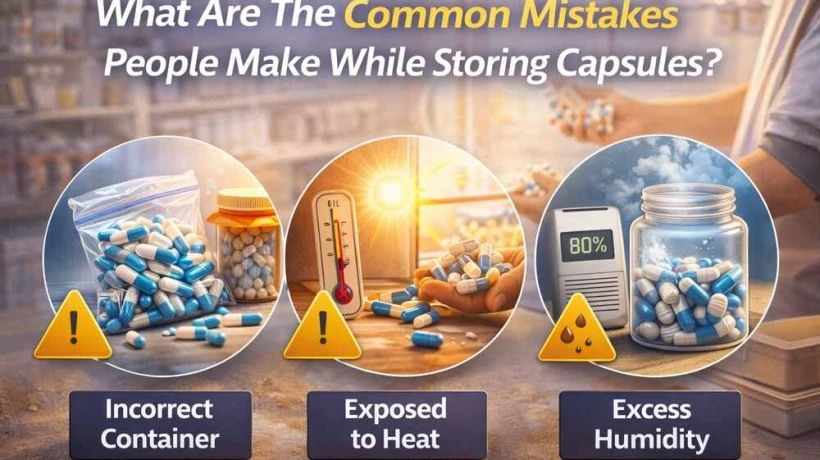
Do you know that storing HPMC capsules or any incorrectly can reduce their effectiveness and even affect your health? Many people assume that keeping medicines in any cupboard or bag is safe. However, small mistakes in storage can lower potency, cause contamination, or even make capsules unsafe.
You may be wondering: “How should I store capsules?” or “Can improper storage really harm them?” These are important questions, because improper storage is one of the most common yet overlooked reasons for medicines not working as expected.
This article explains the most common mistakes in storing capsules, why they matter, and simple ways to keep your medicines safe at home.
Key Takeaways –
You can be confident that your medicines work as intended by understanding and avoiding these common capsule storage mistakess. Remember, safe storage is part of taking medicine responsibly, and it’s just as important as following the dosage instructions.
• Capsules should be stored in a cool, dry place away from direct sunlight and humidity.
• Avoid keeping capsules in bathrooms or kitchens, where heat and moisture are high.
• Do not transfer capsules to unlabelled containers, always keep them in their original packaging.
• Check expiry dates regularly; expired capsules may lose effectiveness or become unsafe.
• Avoid storing capsules in cars or near heaters, as temperature fluctuations can damage them.
Why Proper Capsule Storage Matters?
Even if capsules look fine, using degraded capsules can reduce your treatment results or even pose health risks. Following proper storage practices ensures you get the intended benefit from your medicine.
Capsules contain active ingredients that are sensitive to temperature, moisture, and light. Even minor exposure can affect their stability. Improper storage may lead to:
• Reduced effectiveness, meaning the medicine may not work as intended
• Changes in color, texture, or smell, which can indicate degradation
• Increased risk of contamination, especially for gelatin-based capsules
Common Mistakes People Make While Storing Capsules
• Storing Capsules in Humid Areas
Bathrooms, kitchens, or areas near sinks are high in humidity, which can damage capsules. Moisture may cause capsules to dissolve prematurely, stick together, or degrade faster.
• Exposing Capsules to Heat or Sunlight
Capsules are sensitive to temperature. Direct sunlight, heaters, or warm car interiors can break down active ingredients, reducing effectiveness. Store medicines at room temperature, ideally between 20°C and 25°C, unless the packaging specifies otherwise.
• Mixing Capsules in Unlabeled Containers
Many people transfer capsules to jars or pill organizers without labeling them. This can cause confusion or accidental misuse, especially if you take multiple medications. Keeping capsules in their original packaging ensures you have the instructions, expiry date, and batch information, which is important for safety.
• Ignoring Expiry Dates
Expired capsules may no longer be effective and, in some cases, may cause harm. It’s easy to overlook expiry dates, especially if medicines are stored for a long time. Make it a habit to check expiration dates regularly and dispose of any medicines that have passed their shelf life according to local guidelines or pharmacy advice.
• Storing Capsules in Cars or Bags for Long Periods
Cars, handbags, or backpacks might seem convenient, but heat and sunlight exposure in these places can damage capsules quickly. Only carry medicines in these conditions for short periods, and use a protective case if necessary.
• Using Wet or Contaminated Hands
Handling capsules with wet or dirty hands can introduce bacteria or moisture, potentially contaminating them. Always wash and dry hands before touching medicines, and avoid touching multiple capsules at once.
Tips for Safe Capsule Storage
Following these simple steps can significantly extend the shelf life of your hard gelatin capsules and protect your health.
• Keep capsules in a cool, dry place, away from sunlight and humidity.
• Store in original packaging to preserve information and safety.
• Check expiry dates regularly and discard expired medicines safely.
• Separate medications by type to prevent mistakes, especially if you take multiple capsules daily.
• For travel, use airtight pill organizers but only for short periods to prevent exposure.
• Avoid stacking bottles or storing them near chemicals or cleaning supplies.
FAQS
What happens if capsules are stored in a humid place?
Moisture can make capsules sticky or soft. It may reduce their effectiveness and shelf life.
Can heat affect capsules?
Yes, storing capsules in hot areas can damage them. High temperatures may melt or weaken the coating.
Why should capsules not be kept in direct sunlight?
Sunlight can break down the medicine inside. Capsules lose potency and may not work properly.
Is it okay to store capsules in the bathroom?
No, bathrooms are often humid. This can spoil capsules quickly.
Can capsules be kept in the fridge?
Only if the label says so. Some capsules may get damaged by cold or moisture from the fridge.
What happens if capsules are stored in open containers?
Air exposure can make capsules lose their strength or absorb moisture. Always keep them tightly closed.
Can mixing different capsules in one container cause problems?
Yes, it may cause confusion and reduce effectiveness. Different medicines should be stored separately.
Why is it wrong to store capsules near chemicals or strong odors?
Strong smells or chemicals can affect capsules and change their taste or safety.
Can storing capsules for too long cause issues?
Yes, expired capsules may not work properly and can be unsafe. Always check expiration dates.
How should capsules be stored for safety and effectiveness?
Keep them in a cool, dry, dark place. Use the original container and check expiration dates regularly.



Comments
Login to Comment