What Are the Benefits of Using a Dual Channel Dash Cam in Your Car?
12 Aug, 2026
648 Views 0 Like(s)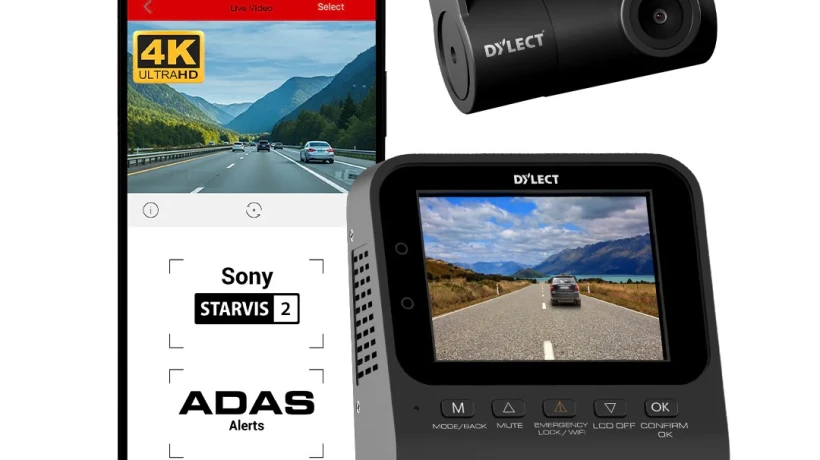
A Dual Channel Dash Cam can provide broader recording coverage than a traditional single-camera system by capturing both front and rear views. From documenting road incidents to supporting parking monitoring and recording long journeys, it can be a useful addition to many vehicles.
Driving comes with many unpredictable situations, from sudden traffic incidents to unexpected road hazards. While careful driving is always important, having a reliable recording system in your vehicle can provide an additional layer of awareness and documentation. A Dual Channel Dash Cam is designed to record footage from two different perspectives, typically covering the road ahead and the area behind the vehicle.
Compared with a single-camera system, a dual-channel setup can provide broader coverage and more complete footage of your journeys. Whether you use your car for daily commuting, long-distance travel, or weekend trips, understanding the benefits of this technology can help you decide whether it is suitable for your vehicle.
What Is a Dual Channel Dash Cam?
A Dual Channel Dash Cam uses two cameras connected to one recording system. The front camera generally records the road ahead, while the second camera can record the area behind the vehicle.
Depending on the model, additional features may include:
- High-definition video recording
- Wide-angle lenses
- Night recording
- Parking monitoring
- Loop recording
- G-sensor technology
- Audio recording
- GPS tracking
The exact features vary between models, so it is important to check the specifications before purchasing.
1. Provides Front and Rear Coverage
One of the biggest advantages is the ability to record both the front and rear views.
A front-facing camera can capture traffic conditions, road signs, vehicles, and incidents occurring ahead. The rear camera can provide additional footage of vehicles approaching from behind.
This broader perspective can be particularly useful when an incident involves more than one direction.
2. Helps Document Road Incidents
Accidents can happen unexpectedly, even when you are driving carefully. Recorded footage can provide a visual record of what happened before, during, and after an incident.
A Dual Channel Dash Cam can capture important details such as:
- Traffic movement
- Vehicle positions
- Road conditions
- Approximate timing of an event
- Actions of nearby vehicles
Having recorded footage can make it easier to review an incident accurately.
3. Offers Additional Evidence
In the event of a disagreement following a road incident, video footage may help provide an objective record of what occurred.
Dash cam footage can potentially show road conditions, vehicle movements, and other relevant details. However, the legal acceptance and usefulness of footage can vary depending on local laws and circumstances.
Drivers should always follow applicable regulations regarding recording and privacy.
4. Improves Coverage Around Your Vehicle
A single front camera has limitations because it cannot record everything happening behind the vehicle.
Adding a rear camera expands the recording area. This can be particularly helpful in situations involving:
- Rear-end collisions
- Vehicles following too closely
- Rear traffic incidents
- Parking incidents
- Sudden lane changes
The additional perspective can make the recording more comprehensive.
5. Useful for Long-Distance Travel
Road trips can involve unfamiliar roads, changing traffic conditions, and longer periods behind the wheel.
A Dual Channel Dash Cam can continuously record the journey, providing footage from both directions. Some drivers also enjoy reviewing scenic routes or memorable sections of their trips later.
For frequent travelers, a dash cam can therefore serve both practical and personal purposes.
6. Supports Parking Monitoring
Some dash cams offer parking-monitoring functionality when properly installed and powered.
Depending on the system, the camera may record activity around the vehicle while it is parked. This can be useful in situations where another vehicle comes too close or an incident occurs while the car is unattended.
Parking mode functionality varies significantly between models, so check how the feature works before relying on it.
7. Night Recording Can Improve Visibility
Many modern dash cams are designed to record during low-light conditions.
Night recording can be particularly useful for drivers who regularly travel after dark. Features such as image sensors, exposure management, and high-dynamic-range recording can influence how clearly footage is captured.
However, nighttime performance varies by model and environmental conditions, so reviewing specifications and sample footage can be helpful.
8. Automatic Loop Recording
Most dash cams use loop recording, which allows the camera to continue recording when the memory card becomes full.
Older footage can be automatically overwritten by newer footage, while important clips may be protected from being overwritten depending on the device.
This means drivers generally don't need to manually delete old recordings every time the storage becomes full.
9. G-Sensor Technology
Many dash cams include a G-sensor that detects sudden movement or impact.
When an unusual impact is detected, the system may automatically protect the relevant footage from being overwritten.
This feature can be particularly useful because important footage may otherwise disappear through normal loop recording.
10. Helps Encourage Safer Driving
Knowing that a dash cam is recording can encourage drivers to remain more conscious of their behavior on the road.
It may encourage habits such as:
- Maintaining safe following distances
- Following traffic signals
- Avoiding unnecessary distractions
- Driving within appropriate speed limits
- Staying attentive to surrounding traffic
A dash cam should never replace responsible driving, but it can complement good driving habits.
11. Convenient for Daily Commuting
A dash cam isn't only useful for road trips. Daily commuting can involve heavy traffic, crowded intersections, sudden braking, and unpredictable road behavior.
A Dual Channel Dash Cam provides continuous documentation of everyday journeys, making it a practical accessory for regular drivers.
12. Can Include Additional Smart Features
Depending on the model, some dual-channel systems may include features such as:
- GPS
- Wi-Fi connectivity
- Smartphone integration
- Mobile applications
- Voice controls
- Parking mode
- Wide dynamic range
- High-resolution recording
These features can make it easier to review, save, and manage recorded footage.
What Should You Consider Before Buying One?
Before purchasing a Dual Channel Dash Cam, consider the following:
Video Resolution
Higher resolution can provide greater detail, but storage requirements may also increase.
Camera Coverage
Check the viewing angles of both cameras and make sure they provide the coverage you need.
Storage
Check compatible memory-card capacity and how the recording system handles loop recording.
Installation
Consider whether the system can be installed neatly without interfering with your view or vehicle controls.
Night Performance
If you frequently drive at night, pay attention to low-light recording capabilities.
Reliability
Choose a model from a reputable manufacturer and check warranty and support information.
Final Thoughts
A Dual Channel Dash Cam can provide broader recording coverage than a traditional single-camera system by capturing both front and rear views. From documenting road incidents to supporting parking monitoring and recording long journeys, it can be a useful addition to many vehicles.
When choosing a dash cam, look beyond the number of cameras. Resolution, viewing angle, storage, night performance, installation, parking functionality, and additional features all influence the overall experience.
Ultimately, a dash cam is most valuable when it complements safe and responsible driving. By choosing a suitable system and installing it correctly, drivers can gain greater visibility into their journeys and maintain a useful record of what happens on the road.
Frequently Asked Questions (FAQs)
1. What is a Dual Channel Dash Cam?
A Dual Channel Dash Cam is a camera system that typically uses two cameras to record different views, most commonly the front and rear of a vehicle.
2. Is a dual-channel dash cam better than a single-channel dash cam?
A dual-channel system generally provides broader coverage because it records both front and rear views. Whether it is better depends on the driver's needs, vehicle, budget, and desired level of coverage.
3. Can a Dual Channel Dash Cam record at night?
Many models support nighttime recording. However, low-light performance varies depending on the camera sensor, resolution, lens, lighting conditions, and other technologies used.
4. Does a dash cam record continuously?
Most dash cams use loop recording, allowing them to continuously record by overwriting older footage when the storage becomes full. Important clips may be automatically protected when an impact is detected, depending on the model.
5. What should I look for when buying a Dual Channel Dash Cam?
Consider front and rear video resolution, viewing angles, night recording, storage capacity, loop recording, G-sensor functionality, parking mode, installation requirements, warranty, and overall reliability.


Comments
Login to Comment