What Are the 7 Benefits of Dental Practice Management Software?
08 Oct, 2026
4 Views 0 Like(s)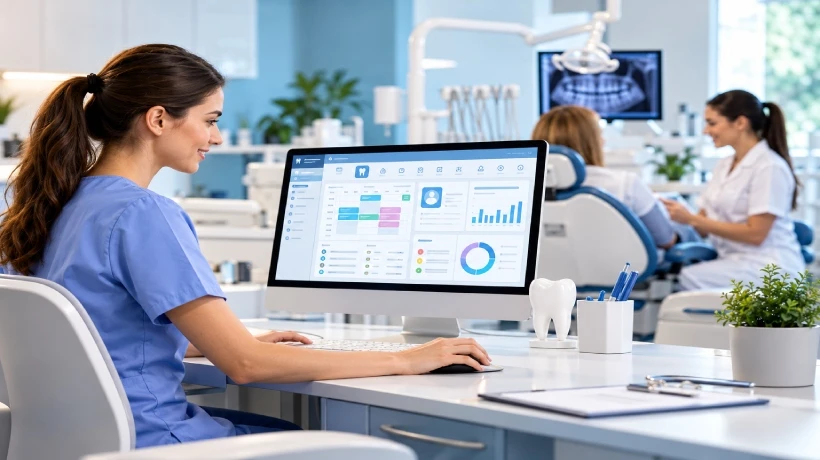
Discover the 7 benefits of dental practice management software, including better RCM, insurance workflows, staffing, claims management, and practice efficiency.
Managing a dental practice involves much more than providing quality dental care. Dental teams also need to manage insurance information, claims, billing, patient records, staffing, scheduling, and other administrative responsibilities. When these activities are handled manually or across multiple disconnected systems, they can take valuable time and make daily operations harder to manage.
Dental practice management software can bring important workflows into one organised environment. From insurance verification and revenue cycle management to staffing and recruiting, the right software can help practices improve efficiency while giving teams more time to focus on patients and dental services.
For modern practices, technology can also support better visibility into financial and operational activities. Here are seven important benefits of using dental practice management software.
1. Simplifies Everyday Practice Operations
Dental practices handle many administrative tasks every day. Staff may need to manage patient information, insurance details, claims, billing activities, scheduling, and communication while supporting the clinical team.
Dental practice management software can bring these activities into a more organised workflow. Instead of switching between multiple tools, staff can manage important information through a central system.
This can reduce repetitive administrative work and make it easier for team members to find the information they need. A more organised workflow can also help practices maintain consistency as patient volume increases.
2. Supports Dental Revenue Cycle Management
Revenue cycle management, or RCM, is an important part of maintaining the financial health of a dental practice. It involves processes connected to insurance verification, claims, payments, denials, accounts receivable, and revenue collection.
Managing these processes manually can make it difficult to identify where payments are delayed or where claims need additional attention.
Dental practice management software can help practices organise RCM workflows and improve visibility into financial activities. Teams can track claims, review outstanding balances, and manage follow-ups more systematically.
A structured RCM process can help practices reduce administrative delays and maintain better control over revenue-related workflows.
3. Makes Insurance Workflows More Efficient
Insurance verification is an important part of preparing for patient appointments. Staff may need to review eligibility, benefits, deductibles, annual maximums, waiting periods, frequency limitations, and other coverage information.
When insurance information is handled manually, verification can become time-consuming, particularly for practices with a high number of appointments.
Dental practice management software can help organise insurance-related information and automate parts of the verification process. This can help teams identify potential coverage issues earlier and provide patients with clearer information before treatment.
Better insurance workflows can also support billing and claims processes later in the revenue cycle.
4. Helps Manage Claims and Outstanding Revenue
Submitting a claim does not always mean payment will be received immediately. Claims may be delayed, rejected, or denied, requiring staff to review the issue and take appropriate action.
A dental practice management system can help teams organise claims and monitor their status. This makes it easier to identify claims that require follow-up instead of relying on separate spreadsheets or manual reminders.
For practices focused on improving revenue cycle performance, organised claims management can help create a clearer process from claim submission through payment and follow-up.
Dental Shield combines claims recovery with other practice workflows, helping practices manage important financial activities through a connected technology platform.
5. Supports Dental Staffing and Hiring
Staffing is another major part of dental practice management. A practice may need temporary coverage when a team member is unavailable or permanent employees when the practice is expanding.
Dental practice management technology can support staffing workflows alongside other operational activities. This can help practices manage staffing requirements without relying entirely on manual processes.
Recruitment technology can also help practices manage applicants, job listings, interviews, and hiring activities.
For dental professionals looking for new opportunities, platforms that connect practices with qualified professionals can make it easier to discover available roles, including permanent dental jobs.
For practices, having organised hiring workflows can make it easier to manage candidates and build a reliable dental team.
6. Improves Visibility Into Practice Performance
Practice owners need to understand how their practice is performing. Looking at revenue alone may not provide enough information to identify operational issues.
Dental practice management software can help bring information from different workflows into a more accessible environment. Depending on the platform, teams may be able to review claims activity, outstanding balances, staffing information, and other operational data.
Better visibility can help practice owners identify areas that may require attention. It can also make it easier to evaluate whether changes to workflows are improving efficiency.
When information is organised and easier to access, practice managers can make decisions based on a clearer understanding of their daily operations.
7. Creates a More Scalable Practice Workflow
As a dental practice grows, administrative responsibilities can increase. More patients, additional providers, increased claims, new staff, and expanded dental services can all create additional operational requirements.
A connected software platform can provide a foundation for managing these growing responsibilities.
Instead of adding more manual processes as the practice expands, teams can use technology to organise workflows and reduce repetitive administrative tasks.
Dental Shield is designed to bring areas such as insurance verification, staffing, recruiting, and claims recovery together. This connected approach can help practices manage different operational needs through a more structured system.
How Can Dental Practice Management Software Support Dental Teams?
The value of dental practice management software depends on how well it fits the needs of the practice. A useful solution should support the workflows that take up the most staff time and create unnecessary administrative work.
For one practice, insurance verification may be the biggest challenge. Another may need stronger claims management or RCM support. Growing practices may need better staffing and recruiting tools.
The right software can help connect these processes instead of treating each responsibility as a separate task.
Dental Shield provides technology designed to support dental practices with insurance verification, staffing, permanent recruitment, and claims recovery. Dental professionals can also create a professional profile through Create Pro Account to connect with opportunities within the dental industry.
Frequently Asked Questions
What is dental practice management software?
Dental practice management software is technology designed to help dental practices organise administrative, financial, staffing, and operational workflows.
How can dental practice management software improve efficiency?
It can reduce repetitive administrative work, organise important information, support automation, and bring multiple practice workflows into a connected environment.
What is RCM in dental practice management?
RCM stands for revenue cycle management. In dentistry, it covers financial processes such as insurance verification, claims, payments, denial management, and accounts receivable follow-up.
Can dental practice software help with insurance verification?
Yes. Dental practice software can help organise insurance information and support verification workflows, making it easier for teams to review eligibility and benefits before treatment.
Can software help dental practices manage staffing?
Yes. Some platforms support temporary staffing and permanent recruitment, helping practices manage staffing requirements and connect with dental professionals.
Can dental professionals find permanent dental jobs through technology platforms?
Yes. Dental hiring platforms can connect dental professionals with practices offering different employment opportunities, including permanent dental jobs.
Why is claims management important for dental practices?
Claims management helps practices track submitted claims, identify delays or denials, and manage necessary follow-up. This can support more organised revenue cycle management.
Is dental practice management software useful for growing practices?
Yes. As practices add patients, providers, staff, and dental services, software can help organise increasing administrative responsibilities and create more scalable workflows.

Comments
Login to Comment