Weight Loss Injections and Healthy Habits: Where to Begin
23 Sep, 2026
6 Views 0 Like(s)
Weight loss injections can support weight management alongside diet and exercise. Learn how they work, benefits, eligibility.
For people struggling with excess weight, losing weight can sometimes feel like an uphill journey. A balanced diet, regular movement, adequate sleep, and consistent lifestyle habits remain the foundation of healthy weight management, but they do not always produce the desired results on their own. This is one reason interest in medical weight-management options has grown.
Among these options, Weight Loss Injections in Oman have attracted considerable attention. These treatments may help eligible individuals manage appetite, improve feelings of fullness, and support meaningful weight reduction when used under appropriate medical supervision. However, injections are not a replacement for healthy habits. Their role is generally strongest when they are combined with sustainable changes in nutrition, physical activity, sleep, and daily routines.
Understanding how these treatments work, who may benefit, and how lifestyle habits fit into the process can help people approach weight management with realistic expectations.
Understanding Weight Loss Injections
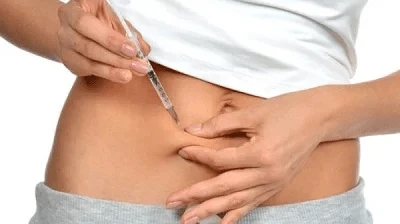
Weight loss injections are prescription treatments designed to support medical weight management. Depending on the specific medication, they may work by influencing hormones or pathways involved in appetite, hunger, digestion, and feelings of fullness.
Some commonly discussed injectable treatments belong to a group of medicines that act on hormones involved in appetite regulation. They can help a person feel satisfied after eating and may reduce persistent hunger or food cravings. As a result, some individuals may find it easier to follow a calorie-controlled eating pattern.
However, these medications are not suitable for everyone. A healthcare professional typically considers factors such as body weight, overall health, existing medical conditions, current medications, previous weight-management attempts, and potential risks before recommending treatment.
It is also important to understand that weight loss injections are medical treatments rather than cosmetic shortcuts. The goal is not simply to see a lower number on the scale but to improve overall health and support long-term weight management.
Who May Consider Weight Loss Injections in Oman?
The suitability of injectable weight-management medication depends on an individual's health profile rather than simply their desire to lose a few kilograms.
Healthcare professionals may consider these treatments for adults who have obesity or, in certain circumstances, overweight accompanied by weight-related health concerns. Conditions such as high blood pressure, abnormal cholesterol levels, insulin resistance, or type 2 diabetes may be relevant when assessing overall health and treatment needs.
A medical assessment is important because excess weight can have many contributing factors. Genetics, eating patterns, sleep, stress, medications, hormonal conditions, and lifestyle can all influence weight.
A qualified healthcare professional can assess whether an injectable treatment is appropriate and explain its potential benefits and risks. They can also determine whether other approaches may be more suitable.
People should avoid purchasing or using weight-loss injections without medical guidance. The correct medication, dose, treatment schedule, and follow-up plan can vary from one individual to another.
Healthy Eating Still Matters
Even when weight loss medication is being used, nutrition remains a central part of the process. Injections may help control appetite, but the quality of the food consumed still affects energy levels, nutrition, muscle preservation, digestion, and overall health.
A balanced eating pattern can include:
- Plenty of vegetables and fruits
- Lean sources of protein
- Whole grains and high-fiber foods
- Healthy sources of dietary fat
- Adequate water
- Reasonable portion sizes
Protein deserves particular attention during weight loss because maintaining muscle mass is an important part of healthy body composition. Depending on individual needs, foods such as eggs, fish, poultry, beans, lentils, yogurt, and other protein-rich choices can be incorporated into meals.
Highly processed foods, sugary drinks, and frequent high-calorie snacks can make weight management more difficult. This does not mean that every favorite food needs to be eliminated. A sustainable approach generally focuses on balance, portion awareness, and consistency rather than extreme restriction.
For someone using Weight Loss Injections in Oman, a nutrition plan developed around personal health needs can make the treatment process more practical and sustainable.
Exercise and Daily Movement Support Results
Physical activity is another important part of a successful weight-management strategy. Exercise does more than burn calories. Regular movement can support cardiovascular health, muscle strength, mobility, mood, and metabolic health.
A person who is new to exercise does not necessarily need to begin with intense workouts. Walking, swimming, cycling, resistance exercises, and other enjoyable activities can provide a useful starting point.
Strength training can be particularly valuable during weight loss because it helps support muscle mass. A combination of resistance exercise and appropriate cardiovascular activity may provide broader health benefits than focusing exclusively on calorie burning.
Daily movement also counts. Taking short walks, using stairs when practical, standing regularly, or incorporating more movement into household activities can help reduce prolonged inactivity.
The most effective exercise routine is often the one a person can continue consistently. Gradual progress is usually more realistic than attempting an overly demanding routine and abandoning it after a short period.
What to Expect During Treatment
Weight loss does not always happen at a constant rate. Some people may notice changes relatively early, while others may experience a slower response. The amount of weight lost can depend on the medication, dosage, individual health factors, eating habits, activity levels, and adherence to the treatment plan.
Some injectable medications can cause side effects, particularly gastrointestinal symptoms. Depending on the specific medicine, these may include nausea, vomiting, diarrhea, constipation, abdominal discomfort, or reduced appetite.
Because these treatments affect appetite and digestion, suddenly eating very large meals or choosing heavily processed foods may become uncomfortable for some individuals. Smaller, balanced meals and adequate hydration may be easier to tolerate, although personal advice from a healthcare professional should take priority.
Follow-up is also important. A healthcare professional can monitor progress, review side effects, evaluate changes in health markers, and determine whether the treatment should continue or be adjusted.
People should also be cautious about online claims promising extremely rapid weight loss. Healthy weight management is usually a gradual process, and dramatic results are not necessarily a sign of a better or safer outcome.
Building Habits That Last Beyond the Medication
One of the most important aspects of weight management is thinking beyond the treatment period. If a person relies entirely on medication without developing healthier routines, maintaining progress can become challenging if treatment is stopped or changed.
Developing sustainable habits can include eating regular balanced meals, becoming more physically active, getting sufficient sleep, managing stress, and paying attention to hunger and fullness signals.
Sleep is often overlooked. Poor sleep can affect appetite, energy, food choices, and motivation to exercise. Establishing a consistent sleep routine can therefore support broader weight-management goals.
Stress management is also relevant. Some people eat more when they feel stressed, bored, anxious, or emotionally overwhelmed. Identifying these patterns can help individuals develop alternatives, such as walking, relaxation techniques, hobbies, social interaction, or other healthy coping strategies.
Weight management should also be viewed as a long-term health goal rather than a temporary diet challenge. Small improvements repeated consistently can have greater value than short periods of extreme restriction.
Making an Informed Decision About Weight Loss Treatment
Anyone considering Weight Loss Injections in Oman should begin with a proper medical consultation rather than choosing a treatment based solely on social media trends or personal recommendations.
A healthcare professional can discuss the individual's goals, medical history, current medications, potential contraindications, expected results, possible side effects, and lifestyle requirements. This conversation also provides an opportunity to understand what happens if the medication is ineffective, poorly tolerated, or eventually discontinued.
It is helpful for patients to ask questions about how the treatment works, how it should be administered, what monitoring is required, and which lifestyle changes should accompany it.
The best approach is usually individualized. One person's successful weight-management plan may not be appropriate for another person. Medical treatment, nutrition, physical activity, sleep, and behavioral changes can work together as components of a broader strategy.
Ultimately, weight loss injections may be a useful tool for appropriately selected individuals, but they work best as part of a comprehensive approach to health. The objective should be improved well-being, sustainable weight management, and healthier daily habits rather than simply rapid changes on the scale.
FAQs About Weight Loss Injections
1. Are Weight Loss Injections in Oman suitable for everyone?
No. These treatments are prescription medical options and are not appropriate for everyone. Eligibility depends on factors such as weight, health conditions, medications, medical history, and individual treatment goals. A healthcare professional should determine whether an injectable treatment is suitable.
2. Can weight loss injections replace diet and exercise?
No. Weight loss injections should generally be viewed as one part of a comprehensive weight-management plan. Healthy nutrition and regular physical activity remain important for maintaining muscle, supporting overall health, and developing habits that can continue over the long term.
3. How quickly can someone lose weight with injections?
Results vary considerably between individuals. Weight loss can depend on the specific medication, dosage, starting weight, diet, activity level, health conditions, and adherence to treatment. A healthcare professional can provide more realistic expectations based on an individual's circumstances.
4. Do weight loss injections have side effects?
They can. Some people may experience digestive symptoms such as nausea, constipation, diarrhea, vomiting, or abdominal discomfort. The type and severity of side effects depend on the medication and the individual. Medical advice should be sought if symptoms are severe, persistent, or concerning.
5. Can weight return after stopping weight loss injections?
Weight regain can occur after stopping some weight-management treatments, particularly if appetite and eating patterns change. Building sustainable nutrition, activity, sleep, and behavioral habits during treatment can help support longer-term weight management. Any decision to stop treatment should be discussed with a healthcare professional.
6. What should someone do before starting weight loss injections?
The first step is a medical evaluation. A healthcare professional can review medical history, current medications, weight-related health concerns, treatment goals, and potential risks. This assessment helps determine whether medication is appropriate and how it can safely fit into an individual's overall weight-management plan.
Read More About Weight Loss Injections: https://comunidad.espoesia.com/enfieldclinicoman/weight-loss-injections-can-they-affect-your-sleep/
Disclaimer: ThynkTales is a public blogging platform where content is contributed by individual users. While we encourage thoughtful and accurate sharing, we do not independently verify the information provided. Readers are advised to use their discretion and verify any information before relying on it.


Comments
Login to Comment