Web Scraping: Benefits, Uses, and Future Applications
03 Aug, 2026
779 Views 0 Like(s)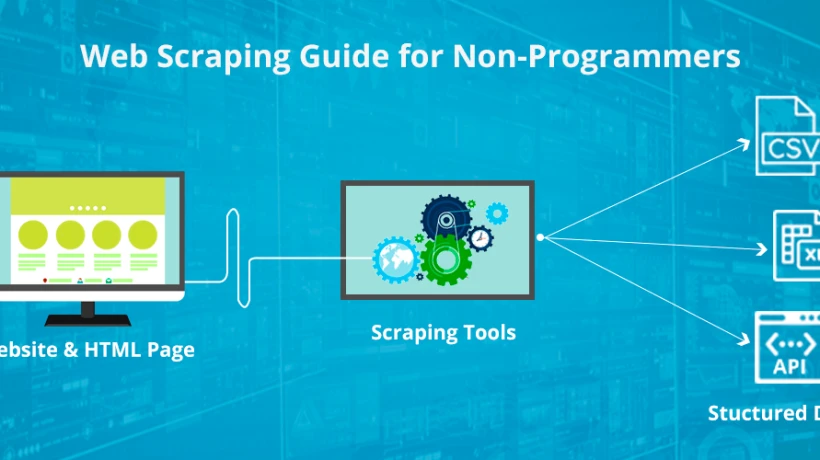
Learn how web scraping helps businesses collect data, analyze markets, automate research, and improve decision-making across industries.
Data has become one of the most valuable assets for modern businesses. Companies rely on accurate information to understand customer behavior, monitor competitors, and make strategic decisions. Collecting large amounts of online data manually can be time-consuming and inefficient.
This is where Web Scraping becomes important. It allows businesses and developers to extract information from websites automatically and convert it into structured data that can be analyzed and used for various purposes.
What Is Web Scraping?
Web Scraping is the process of extracting information from websites using automated tools and software. The collected data can be stored in formats such as CSV, JSON, or databases for further analysis.
The process usually involves sending requests to websites, collecting the required information, and organizing the data into a usable format. Businesses use these techniques to gather market insights, track pricing trends, and improve operational efficiency.
How Does It Work?
The data extraction process starts when a program sends a request to a website's server. Once the webpage is loaded, the software analyzes the HTML structure and identifies the required elements.
Developers use programming languages such as Python and JavaScript, along with libraries and frameworks, to automate the entire workflow. The extracted information is then cleaned and stored for future use.
Modern tools can also handle dynamic websites that rely heavily on JavaScript and interactive content.
Business Applications
Organizations across different industries use automated data collection for multiple purposes. E-commerce companies monitor competitor prices, while marketing teams analyze customer trends and consumer behavior.
Web Scraping also helps businesses generate leads, monitor product reviews, and collect financial information from multiple online sources. Access to accurate data allows companies to make informed decisions and improve their strategies.
The ability to collect information quickly gives businesses a significant competitive advantage.
Key Benefits
Better Market Research
Companies can analyze competitors, identify industry trends, and understand customer preferences more effectively.
Time and Cost Savings
Automation reduces the need for manual data collection, saving both time and operational costs.
Improved Decision-Making
Businesses can use real-time information to make smarter decisions and optimize their operations.
Increased Productivity
Teams can focus on analysis and strategy instead of spending hours collecting data manually.
Tools and Technologies
Several tools are available for developers who want to automate data extraction. Python libraries such as BeautifulSoup, Scrapy, and Requests are among the most popular options.
Browser automation frameworks like Selenium, Playwright, and Puppeteer are commonly used for websites that load content dynamically. Databases and cloud platforms also play an important role in storing and processing collected information.
Choosing the right tools depends on the complexity and scale of the project.
Challenges and Limitations
Although automated data collection offers many advantages, it also comes with challenges. Websites often implement security measures such as CAPTCHAs, rate limits, and IP restrictions to prevent excessive requests.
Web Scraping projects may also face issues related to changing website structures and inconsistent data formats. Developers must continuously maintain and update their systems to ensure accurate results.
Legal and ethical considerations should always be taken into account before collecting information from any platform.
Future Trends
The future of data extraction is being shaped by artificial intelligence and machine learning. Intelligent systems are making it easier to process large datasets and extract valuable insights automatically.
Cloud computing and automation technologies are also improving scalability and performance. Businesses that adopt modern solutions will be able to collect and analyze information more efficiently in the coming years.
As technology evolves, the demand for data-driven strategies will continue to increase.
Best Practices
To achieve the best results, developers should follow responsible and efficient practices:
- Respect website terms and policies.
- Avoid sending excessive requests.
- Clean and validate collected data.
- Use proxies and caching when necessary.
- Continuously monitor performance.
Following these guidelines helps create reliable and sustainable solutions.
Conclusion
Businesses increasingly depend on online information to remain competitive in the digital world. Web Scraping provides an efficient way to collect, organize, and analyze large amounts of data from different sources.
As industries continue to embrace automation and analytics, companies that invest in modern data collection techniques will gain valuable insights and unlock new opportunities for growth.
Frequently Asked Questions
1. What is web scraping?
It is the process of automatically extracting information from websites and converting it into structured data.
2. Which programming languages are commonly used?
Python, JavaScript, and Java are among the most popular choices.
3. Is web scraping legal?
The legality depends on website policies, local regulations, and the type of data being collected.
4. What are the benefits of web scraping?
It helps businesses save time, reduce costs, perform market research, and improve decision-making.
5. What industries use web scraping?
E-commerce, finance, marketing, healthcare, and research organizations commonly use data extraction technologies.

Comments
Login to Comment